Marines and Naval Infantry: The Elite Forces of Land and Sea
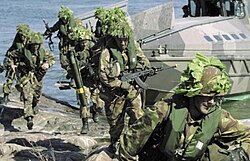
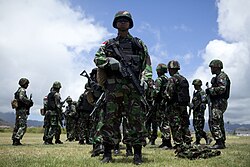
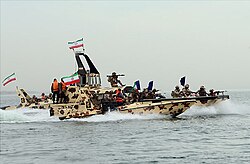
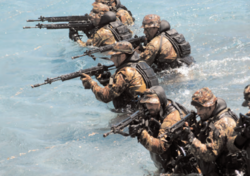
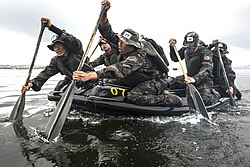
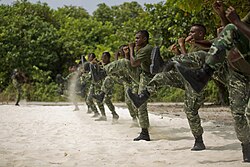
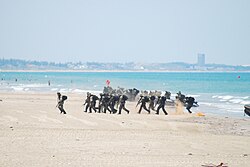
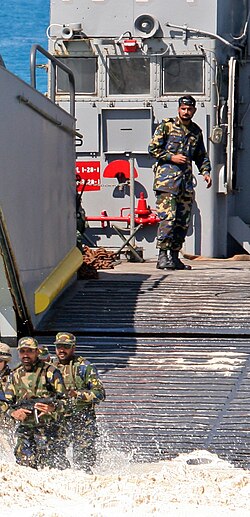
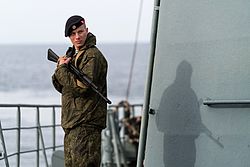
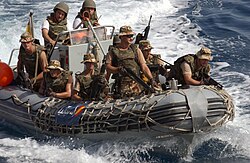
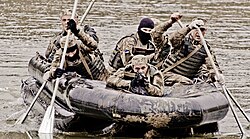
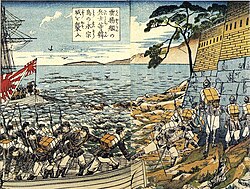
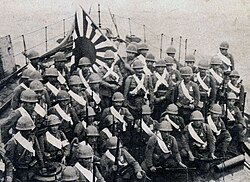
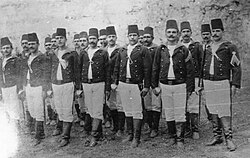
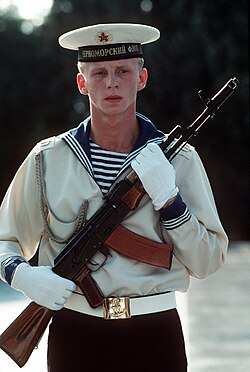
Marines, also known as naval infantry, are specialized military personnel trained to operate across the interface of land and sea. Their primary expertise lies in amphibious warfare—the process of launching military operations from the sea onto a hostile or potentially hostile shore. While their roles have evolved over centuries, the core mission of the marine remains the projection of power from the ocean to the land.
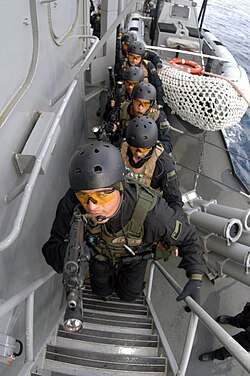
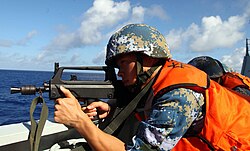
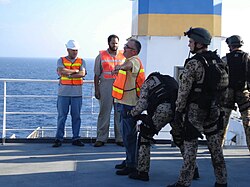
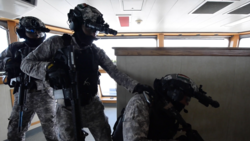
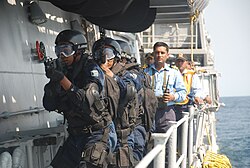
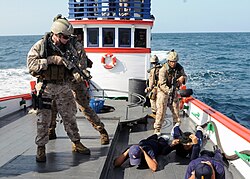
Historically, marines were essential for raiding shores to support naval objectives and boarding enemy vessels during ship-to-ship combat. Beyond combat, they served a critical internal role: maintaining security and discipline aboard ships to prevent mutiny among crews who were often pressed into service. In the modern era, their capabilities have expanded to include rapid-response operations, counter-terrorism, special operations, and providing humanitarian aid and disaster relief.
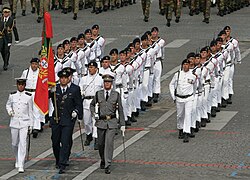
Depending on the nation, marines are organized differently. In the United Kingdom, the Royal Marines are part of the navy; in France, the Troupes de marine are part of the army. Some nations, such as the United States and Ukraine, maintain their marine forces as an independent military branch.
Key Facts
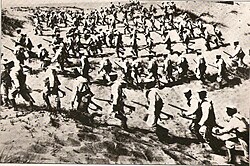
- Primary Focus: Amphibious warfare and maritime projection of power.
- Oldest Force: The Spanish Navy Marines (Infantería de Marina), established in 1537.
- Diverse Structures: Can be part of a navy, an army, or an independent service branch.
- Core Tasks: Raiding, vessel boarding, coastal defense, and rapid response.
- Modern Scope: Includes humanitarian aid, disaster relief, and counter-terrorism.
The Evolution of Naval Infantry
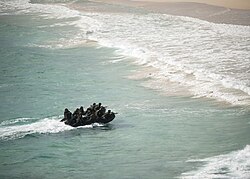
Ancient Origins
In early naval warfare, the line between sailor and soldier was blurred. In Ancient Greece and Rome, oarsmen were expected to fight hand-to-hand. Over time, specialized hoplites (heavily armed foot soldiers) began appearing on Greek ships specifically to lead boarding actions against enemy vessels.
The Rise of Organized Corps
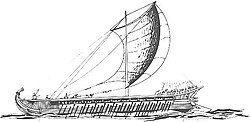
The first organized marine corps emerged in Venice under Doge Enrico Dandolo, who created a regiment of ten companies. This force played a key role in the conquest of Byzantium (1203–1204). By 1550, they were officially termed "Fanti da Mar" (sea infantry). Venice also utilized the Oltremarini, overseas troops recruited primarily from Dalmatia.
Development of Specialized Tactics
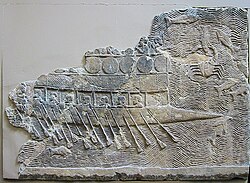
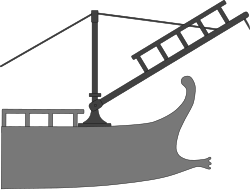
As naval technology advanced, so did the methods of boarding. The Romans, for example, utilized the corvus, a boarding bridge that allowed soldiers to storm enemy decks more effectively.
Global Marine Forces and Organizations
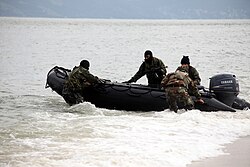
Marine forces vary significantly by country, reflecting their specific strategic needs and historical legacies.
European Forces
Spain holds the record for the oldest existing marine force, founded in 1537. The Dutch Korps Mariniers, founded in 1665, is known for its rigorous training across all climates and its specialized Special Forces branch, NLMARSOF. The British Royal Marines, dating back to 1664, maintain an unbroken descent from the permanent corps established in 1755.
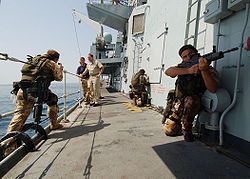
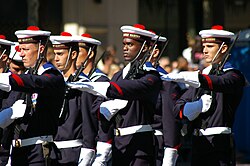
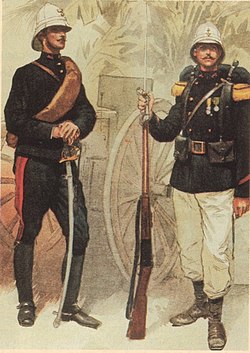
France's Troupes de marine have a unique history, having transitioned between the Navy and the Army, serving as the primary colonial forces during the 19th century.
The Americas
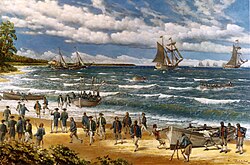
The United States Marine Corps evolved from the Continental Marines, formed on November 10, 1775, during the American Revolutionary War. In South America, the Argentine Marine Corps (IMARA) has a history dating back to 1827, while Brazil and Chile maintain robust naval infantry capabilities.
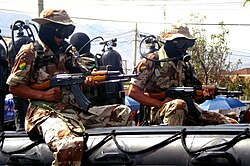
Interestingly, Bolivia maintains a naval force and approximately 2,000 naval infantry personnel despite being landlocked, reflecting its political aspiration to regain coastline lost to Chile in the late 19th century.
Asian and Middle Eastern Forces
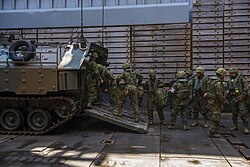
In Asia, the Royal Thai Marine Corps was founded in 1932 with assistance from the U.S. Marines. Japan's modern capabilities include the Amphibious Rapid Deployment Brigade. In the Middle East, Egypt maintains the 111th Independent Mechanized Brigade for amphibious assaults, and Iraq utilizes a marine battalion to protect shorelines and inland waterways from infiltration.
Summary of Notable Marine Forces
| Country | Force Name | Key Characteristic / History |
|---|---|---|
| Spain | Infantería de Marina | Oldest existing marine force (est. 1537). |
| United Kingdom | Royal Marines | Permanent corps established in 1755. |
| United States | US Marine Corps | Independent military branch; roots in 1775. |
| Netherlands | Korps Mariniers | Founded 1665; includes NLMARSOF special forces. |
| Bolivia | Bolivian Naval Force | Maintains marines despite being landlocked. |
| Ukraine | Ukrainian Marine Corps | Elevated to a full service branch in May 2023. |
Frequently Asked Questions

What is the difference between a sailor and a marine?
While sailors primarily operate the ship and manage naval systems, marines are specialized infantry trained to fight on land and conduct amphibious operations, though they are often stationed aboard naval vessels.
Which country has the oldest marine force?
Spain has the oldest existing marine force, the Infantería de Marina, which was established on February 27, 1537.
Can a landlocked country have marines?
Yes. Bolivia is a primary example; it maintains a naval force and marine battalions as part of its political and historical aspirations to regain access to the sea.
What are the modern roles of naval infantry?
Beyond traditional amphibious assaults and ship boarding, modern marines engage in rapid-response missions, counter-terrorism, special operations, and humanitarian aid/disaster relief.
Are marines always part of the Navy?
No. While common, they can be part of the Army (such as the French Troupes de marine) or exist as a completely independent branch of the armed forces (such as in the United States).