Maracaibo: The Vibrant Hub of Zulia, Venezuela
Perched on the western shore of the strait connecting Lake Maracaibo to the Gulf of Venezuela, Maracaibo is a city of resilience, heat, and deep cultural heritage. As the capital of Zulia state and the second-largest city in Venezuela after Caracas, it serves as a critical economic and social center for the northwestern region of the country. Known affectionately as "La Tierra del Sol Amada" (The Beloved Land of the Sun), Maracaibo is defined by its unique geography and a history shaped by colonial ambition, piracy, and the discovery of oil.
With a municipal population of approximately 1,752,602 and a metropolitan area reaching 2,727,957 as of 2019, the city is a bustling urban center. Its identity is a blend of indigenous roots—originally inhabited by Kalina and Arawakan-speaking peoples—and European influences that arrived during the Spanish conquest.
Key Facts
- Nickname: La Tierra del Sol Amada (The Beloved Land of the Sun).
- Motto: "Muy noble y leal" (Very noble and loyal).
- Founded: Officially established in 1574 by Pedro Maldonado.
- Geography: Located at 10°38′N 71°38′W, with an elevation of only 6 meters (20 ft).
- Climate: Classified as BSh (Hot semi-arid), characterized by high temperatures and significant sunshine.
- Key Landmark: The General Rafael Urdaneta Bridge, spanning 8.7 km across the lake.
A Turbulent History of Foundation and Conflict
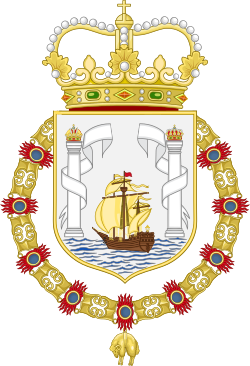
The establishment of Maracaibo was a fragmented process. The first attempt occurred in 1529 when German explorer Ambrosius Ehinger, under the Welser banking family, founded "Neu-Nürnberg" (New Nuremberg). He named the lake after the chieftain Mara, who died in combat. However, this settlement was relocated in 1535. A second attempt by Alonso Pacheco in 1569 also failed due to indigenous resistance. It was not until 1574 that Captain Pedro Maldonado successfully founded the city as "Nueva Zamora de la Laguna de Maracaibo."
Piracy and Colonial Struggle
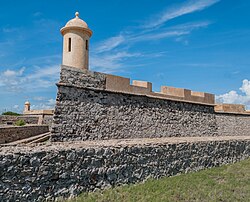
During the 17th century, Maracaibo's strategic location made it a prime target for European pirates. Notable raids included the Dutch corsair Henrik de Gerard in 1614 and the British pirate William Jackson in 1642. One of the most devastating attacks occurred in 1667, when French pirate François l'Olonnais sacked the city and nearby Gibraltar, seizing a massive treasure of gems, cacao, and over 260,000 pieces of eight.
The Path to Independence
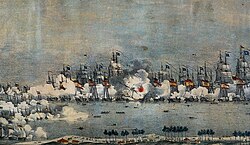
The struggle for Venezuelan independence culminated in the region during the early 1820s. After various clashes between Royalist forces and patriot troops led by Rafael Urdaneta, the decisive Battle of Lake Maracaibo took place on July 24, 1823. This victory effectively ended Spanish colonial control over Venezuela.
Modern Infrastructure and Development
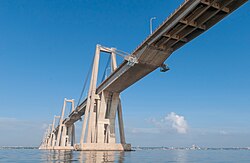
The 20th century brought transformative changes to Maracaibo, most notably the discovery of petroleum in 1917, which triggered rapid migration and urban growth. The city's connectivity was further enhanced by the construction of the General Rafael Urdaneta Bridge. This 8.7 km engineering feat suffered a major accident in April 1964 when the supertanker Esso Maracaibo struck a pier, causing a 259-meter section of the roadway to collapse and resulting in seven deaths.
In recent years, the city has looked toward sustainable energy. In early 2023, a pilot program by Zulia Solar began installing rooftop solar panels on 500 homes and apartments to combat persistent electrical blackouts.
Culture, Education, and Sport
Maracaibo is a center for the arts and academia. The city is home to the University of Zulia (LUZ) and several prestigious cultural venues, including the Baralt Theatre and the Lía Bermúdez Art Centre.
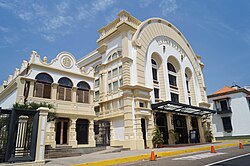
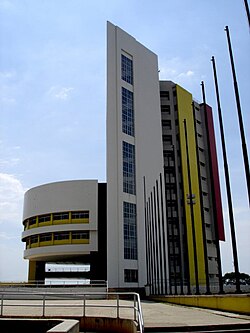
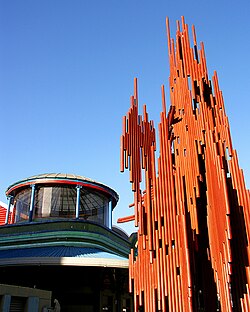
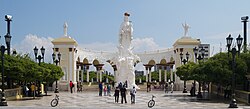
Spiritually, the city revolves around the Basilica of Our Lady of Chiquinquirá, a site of immense devotion for the local population.
Sports and Athletics
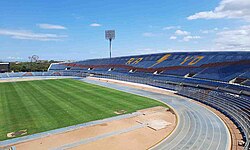
Sports are deeply ingrained in the local culture. Baseball is historically dominant, producing Hall of Fame players like Luis Aparicio. Football (soccer) has also grown, with the Estadio José Pachencho Romero serving as a primary venue for teams like Deportivo Rayo Zuliano. Additionally, basketball is highly popular, with the Gaiteros del Zulia winning four professional league championships.
Geography and Climate
The municipality is organized into 18 parishes, including historic zones like El Saladillo and Bella Vista. The climate is consistently hot, with mean daily maximums often exceeding 33°C (91°F) and record highs reaching 42.2°C (108°F).
| Metric | Average/Range | Peak Month |
|---|---|---|
| Mean Daily Maximum | 33.8°C (92.8°F) | August (35.1°C) |
| Mean Daily Minimum | 24.8°C (76.6°F) | July (25.9°C) |
| Annual Rainfall | 649.3 mm (25.56 in) | October (122.9 mm) |
| Annual Sunshine Hours | 2,611.1 hours | January (266.6 hrs/mo) |
Frequently Asked Questions
Why is Maracaibo called "The Beloved Land of the Sun"?
The nickname "La Tierra del Sol Amada" refers to the city's consistently high temperatures and abundant sunshine throughout the year, which are characteristic of its hot semi-arid climate.
Who officially founded the city of Maracaibo?
While there were earlier unsuccessful attempts by Ambrosio Ehinger (1529) and Alonso Pacheco (1569), the city was officially founded in 1574 by Captain Pedro Maldonado as "Nueva Zamora de la Laguna de Maracaibo."
What is the significance of the Battle of Lake Maracaibo?
Fought on July 24, 1823, this battle was a decisive victory for patriot forces, marking the definitive end of Spanish colonial rule in Venezuela.
What happened to the General Rafael Urdaneta Bridge in 1964?
In April 1964, a supertanker named the Esso Maracaibo suffered an electrical failure and struck pier 31, causing a 259-meter section of the bridge to collapse into the lake, resulting in seven fatalities.
Which sports are most popular in Maracaibo?
Baseball is historically the most prominent sport, followed by basketball (with the successful Gaiteros del Zulia team) and football (soccer), which has seen increased popularity in recent decades.