Mar Mikhaël: Beirut's Vibrant Hub of Art and Nightlife
Nestled in the heart of the Medawar district, Mar Mikhaël (Sector 75) is one of Beirut's most dynamic residential and commercial neighborhoods. Named after the Maronite Catholic Church of St. Michael located on Rue Pharoun, this area has evolved from a traditional commercial zone into a fashionable destination renowned for its eclectic mix of cafes, restaurants, art galleries, and boutiques.
The neighborhood serves as a cultural bridge, blending historic architecture with a modern, creative energy that attracts both locals and visitors seeking the pulse of the city.
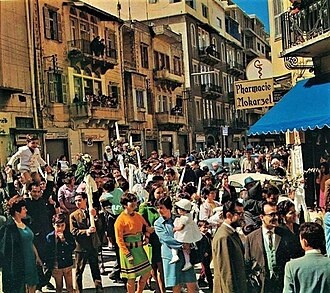
Location and Geography
Mar Mikhaël occupies a strategic position within the city's layout. It is situated north and south of Charles Helou, the maritime highway that separates the neighborhood from the Port of Beirut. Its boundaries are defined by the Geitaoui neighborhood to the north, the Pierre Gemayel Highway and the Beirut River to the west, and the Gemmayzeh neighborhood to the east.
Geographically, Mar Mikhaël is viewed as a natural extension of Gemmayzeh. This connection is most evident along the east-west axis that links the Beirut Central District to the eastern suburb of Bourj Hammoud. Specifically, the neighborhood's main thoroughfare, Rue Arménie, continues directly from Gemmayzeh's famous Rue Gouraud.
The Evolution of the Neighborhood
The transformation of Mar Mikhaël is a result of gentrification—the process where a neighborhood undergoes urban renewal and an influx of more affluent residents and businesses. This shift began following the rebuilding of the Beirut Central District and the rise of Gemmayzeh as a nightlife center.
Since 2010, Mar Mikhaël has rapidly emerged as a trendy hotspot. The landscape shifted as traditional hardware stores, car parts shops, and furniture warehouses were replaced by a wave of contemporary establishments. By 2014, the area had solidified its reputation as a hub for art and creativity, featuring numerous antique furniture stores and high-end boutiques.
While the neighborhood saw a slight dip in dominance between 2014 and 2015 due to the re-emergence of the Badaro district, it remains a premier destination for dining and nightlife in the Lebanese capital.
Key Facts
- District: Located in the Medawar district, Sector 75 of Beirut.
- Naming: Named after the Maronite Catholic Church of St. Michael on Rue Pharoun.
- Main Axis: Rue Arménie serves as the primary thoroughfare.
- Character: Known for a high density of art galleries, trendy cafes, and nightlife venues.
- Connectivity: Acts as a link between the Beirut Central District and Bourj Hammoud.
| Feature | Details |
|---|---|
| Primary Sector | Sector 75 |
| Key Street | Rue Arménie |
| Adjacent Neighborhoods | Gemmayzeh, Geitaoui |
| Defining Landmarks | Church of St. Michael, Charles Helou Highway |
| Primary Industries | Arts, Gastronomy, Retail, Nightlife |
Frequently Asked Questions
What is Mar Mikhaël known for today?
Mar Mikhaël is currently known as one of Beirut's most fashionable districts, serving as a hub for creativity, art galleries, trendy boutiques, and a vibrant nightlife scene featuring numerous bars and restaurants.
How is Mar Mikhaël connected to Gemmayzeh?
The two neighborhoods are essentially extensions of one another. The main street of Mar Mikhaël, Rue Arménie, is a direct continuation of Rue Gouraud in Gemmayzeh.
What used to be in Mar Mikhaël before it became trendy?
Before its gentrification, the area was characterized by more industrial and utilitarian businesses, including hardware shops, furniture stores, and car parts vendors.
Where is the neighborhood located in relation to the sea?
It is located just inland from the Port of Beirut, separated from the port area by the Charles Helou maritime highway.
Who is the neighborhood named after?
The neighborhood takes its name from the Maronite Catholic Church of St. Michael, which is situated on Rue Pharoun.