Hamra Street: The Cosmopolitan Heart of Beirut
Known technically as Rue 31, Hamra Street (Arabic: شارع الحمراء) stands as one of the most significant economic and diplomatic arteries of Beirut, Lebanon. Located in the vibrant Hamra neighborhood, this thoroughfare has long served as a symbol of the city's openness and intellectual vitality. Once hailed as the "Champs Elysées" of Beirut, it remains a critical hub where commerce, education, and culture intersect.
During the 1960s and 1970s, Hamra Street was the epicenter of intellectual activity in the city, characterized by its numerous theaters and sidewalk cafes. It was the trendiest district in Beirut prior to 1975, attracting tourists and thinkers from across the globe.
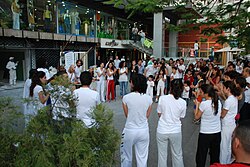
Key Facts
- Location: Connects Beirut Central District with the Ras Beirut neighborhoods, running from Rue de Rome to Rue Sadat.
- Cultural Status: Historically known as the "Paris of the Middle East" and a bastion of liberalism.
- Educational Hub: Home to the American University of Beirut (AUB), Lebanese American University (LAU), and Haigazian University.
- Economic Role: Hosts government ministries, the Lebanese Central Bank (Banque Du Liban), and major national newspapers.
- Diversity: A secular melting pot embracing Sunnis, Maronites, Melkites, Greek Orthodox Christians, Druze, and Shias.
Evolution of a District
The character of Hamra Street shifted significantly following the Lebanese Civil War. Government-enforced rent controls on buildings led to a decline in the neighborhood's pre-war elite cachet. In the post-war era, other areas such as Rue Monot in Ashrafieh, Rue Gouraud in Gemmayzeh, Rue Verdun, and the downtown district emerged as competing commercial and social centers.
To revitalize the area, the Municipality of Beirut implemented a facelift in the mid-1990s to attract international tourists. While it may no longer be the sole center of nightlife, it has evolved into a diverse commercial district featuring hotels, furnished apartments, and libraries.
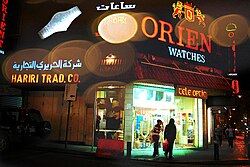
Modern Commerce and Nightlife
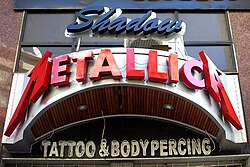
Today, the street is a blend of global and local enterprises. International chains like Starbucks, Costa Coffee, and Caribou Coffee operate alongside local favorites. Cafe Hamra is a notable establishment that celebrates the street's history through graffiti-style decor and a menu of Lebanese and international cuisine.
For those seeking entertainment, "78 Street"—often called "the Alleyway"—serves as the primary hub for pubs and clubs. The area's profitability is sustained by its "authentic" Beirut atmosphere and the continued presence of major financial and political institutions.
Geography and Demographics
Geographically, Hamra Street runs east-west, serving as a bridge between the city center and the coastal Ras Beirut area. This location has fostered a unique demographic profile. Pulitzer Prize winner Borzou Daragahi has described the street as a bastion of liberalism that embraces a wide array of political views and religious backgrounds.
Because it hosts relatively few mosques and churches compared to other districts, Hamra is often viewed as Lebanon's secular haven and a melting pot for free thinkers.
The Hamra Street Festival
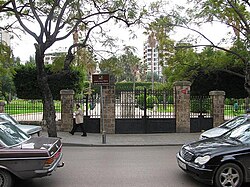
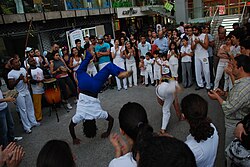
Every autumn, the street transforms for the Hamra Street Festival, held under the patronage of the Prime Minister. This event showcases Lebanon's artistic and cultural diversity through a wide range of activities:
- Music: Professional performances after 8:30 p.m. and amateur acts during the day, spanning genres from Rock and Jazz to Electro and Oriental.
- Carnival Parade: Featuring floats, dancing groups, Zaffee loubnaniyya, the Beirut Orchestra, and participants from the Croix Rouge Libanaise and university clubs.
- Arts and Cinema: Photography and painting exhibitions line the streets, while short films—many produced by LAU and IESAV students—are screened in the zawareebs (narrow alleyways).
- Community Engagement: The festival includes NGO awareness stands and promotional offers from local shops.
Summary of Hamra Street's Profile
| Category | Details |
|---|---|
| Technical Name | Rue 31 |
| Major Landmark | Crowne Plaza |
| Key Institutions | Banque Du Liban, Ministries of Interior, Information, Tourism, and Economy |
| Academic Presence | AUB, LAU, Haigazian University |
| Historical Moniker | Beirut's Champs Elysées |
Frequently Asked Questions
What is the historical significance of Hamra Street?
Hamra Street was the intellectual and trendiest center of Beirut during the 1960s and 1970s, known for its theaters, sidewalk cafes, and cosmopolitan atmosphere, earning it the nickname "Beirut's Champs Elysées."
Which universities are located near Hamra Street?
The area is an educational focal point, hosting the American University of Beirut (AUB), the Lebanese American University (LAU), and Haigazian University.
What makes Hamra Street a "secular haven"?
It is described as a melting pot for free thinkers and a bastion of liberalism that embraces multiple religious groups (including Sunnis, Maronites, Melkites, Greek Orthodox, Druze, and Shias) while hosting a limited number of religious buildings.
What is "the Alleyway" in Hamra?
Commonly known as "78 Street," the Alleyway is the primary district within Hamra for pubbing and clubbing.
When does the Hamra Street Festival take place?
The festival is launched every autumn and features a mix of professional concerts, carnival parades, art exhibitions, and student film screenings.