Maple Trees: Evolution, Morphology, and Global Significance
The genus Acer, commonly known as maples, represents one of the most recognizable and culturally significant groups of trees and shrubs in the world. Belonging to the soapberry family, Sapindaceae, maples comprise approximately 132 species. While they are found across Europe, northern Africa, and North America, the majority of these species are native to East Asia. This diverse genus ranges from towering forest trees to small, ornamental shrubs, each playing a unique role in their respective ecosystems.
Key Facts
- Genus: Acer
- Family: Sapindaceae
- Species Count: Approximately 132
- Primary Habitat: East Asia, North America, and Europe
- Distinctive Feature: Palmate leaves and winged fruits called samaras
- Economic Use: Maple syrup, high-quality timber, and musical instrument components
Evolutionary History
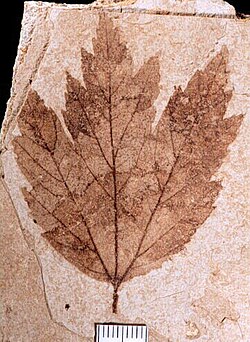
The evolutionary lineage of the maple is ancient. The oldest known fossils of the Acer genus date back to the late Paleocene of Northeast Asia and northern North America, making them roughly 60 million years old. In Europe, the fossil record extends to the late Eocene, with specimens found in Svalbard dating between 38 and 34 million years ago. The closest living relative to the maple is the small East Asian genus Dipteronia, followed by the Aesculus genus, which includes buckeyes and horse-chestnuts.
Morphology and Botanical Characteristics
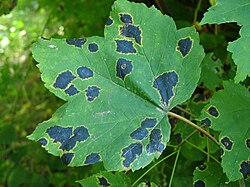
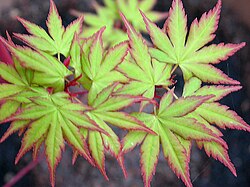
Maples are primarily distinguished by their opposite leaf arrangement—a botanical term meaning leaves grow in pairs directly across from one another on the stem. Most species feature palmate leaves, which means the veins and lobes radiate from a single point, similar to the fingers on a hand.
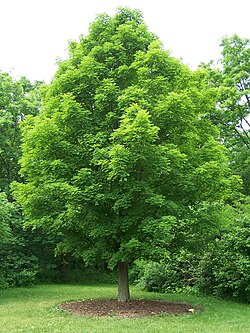
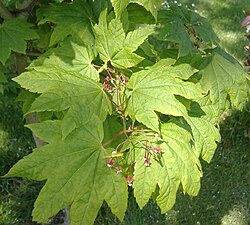
While most maples are deciduous (shedding leaves annually), a few species in the Mediterranean and southern Asia remain evergreen. In terms of size, most maples grow between 10 and 45 meters, though some species function as smaller shrubs. Their root systems are often dense and fibrous, which can influence the surrounding vegetation.
Flowers and Fruit
Maple flowers are typically regular and pentamerous (having five parts), appearing in late winter or early spring. The most iconic part of the maple's morphology, however, is its fruit: the samara. Often called "maple keys" or "helicopters," these are winged seeds designed to spin as they fall, allowing the wind to carry them away from the parent tree. A single tree can release hundreds of thousands of these seeds in a single season.
Cultural and Economic Importance
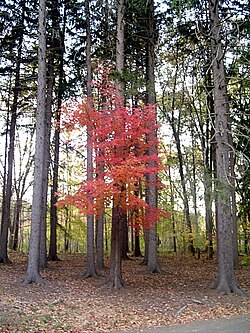
The maple leaf has transcended botany to become a powerful cultural symbol. It is most famously featured on the Canadian flag, representing the nation's strength and endurance. The design on the flag is a stylized eleven-point version of a sugar maple leaf.


Agriculture and Syrup Production
One of the most famous uses of the genus is the production of maple syrup. During the transition from freezing to thawing temperatures in northeastern North America, sap is tapped from trees—most commonly the Sugar maple (Acer saccharum). This sap is boiled down to create syrup, sugar, or taffy. The process is highly efficient in terms of volume; it takes approximately 40 liters of sap to produce just 1 liter of syrup. In Quebec alone, this industry is valued at roughly 500 million Canadian dollars annually.
Timber and Musical Uses
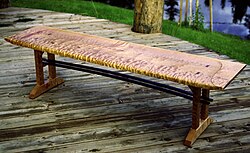
Maple wood is highly prized for its strength and aesthetic qualities. "Hard maple" from the Sugar maple is used for heavy-duty items like bowling pins, butcher blocks, and professional baseball bats. In the world of music, maple is a critical tonewood. The backs, sides, and necks of violins, cellos, and double basses are frequently crafted from maple, while maple drum kits are favored for their bright, resonant sound.
Horticulture and Cultivars
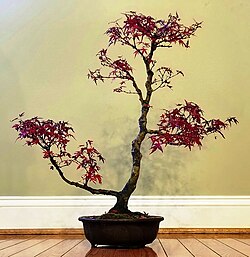
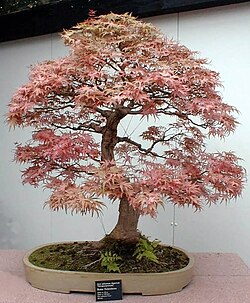
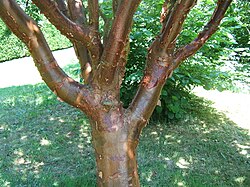
Because of their stunning autumn colors and decorative bark, many maple species are staples in garden design. The Japanese maple (Acer palmatum) is particularly notable, with over 1,000 known cultivars. Some are bred for small, delicate leaves suitable for bonsai (the art of growing miniature trees), while others are chosen for their striking bark or flower displays.
Summary of Maple Characteristics
| Feature | Description |
|---|---|
| Leaf Arrangement | Opposite |
| Common Leaf Shape | Palmate (lobed) |
| Fruit Type | Samara (winged nutlet) |
| Primary Economic Use | Syrup, Timber, Tonewood |
| Key Relative | Dipteronia |
Frequently Asked Questions
What is a samara?
A samara is a type of winged fruit characteristic of maples. It consists of a seed enclosed in a nutlet attached to a papery wing, which allows the seed to spin and travel via wind dispersal.
Why are maple leaves often used as symbols?
Maples are symbols of strength and endurance. They are most notably used as the national emblem of Canada, appearing on the national flag and in various military regalia.
Which maple is best for making syrup?
While various species can be tapped, the Sugar maple (Acer saccharum) is the most commonly used for commercial syrup production due to its high sugar content.
How many maple species exist?
There are approximately 132 species within the Acer genus, with the majority being native to East Asia.
What makes maple wood special for musicians?
Maple is a highly valued tonewood. Its stiffness and strength make it ideal for the construction of string instrument components (like violin backs) and for creating resonant drum shells.