Mamluks: The Rise and Fall of the Slave-Soldier Elite
The Mamluks were a unique class of slave-soldiers who evolved from enslaved mercenaries into a powerful military knightly class. Operating across various Muslim societies, they wielded immense political and military influence in Egypt, Syria, Mesopotamia, India, and the Ottoman Empire. In several instances, these warriors rose from servitude to the highest possible rank, establishing their own dynasties and ruling as sultans, emirs, or beys.
The most prominent of these regimes was the Mamluk Sultanate (1250–1517), centered in Egypt and Syria. This state became a bulwark of the Islamic world, famously halting the Mongol advance and ending the era of the Crusades in the Levant.
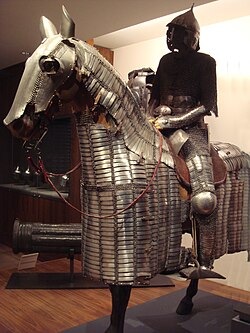
Key Facts
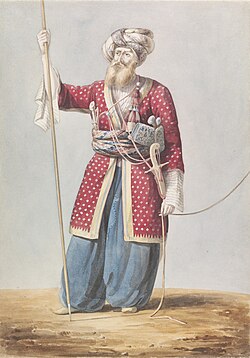
- Origin: Developed during the 9th-century Abbasid Caliphate under Caliph al-Muʿtaṣim.
- Role: Enslaved warriors, often referred to as Ghilman or Ghulam, who were trained as elite cavalry.
- Major Achievement: Defeated the Ilkhanate at the Battle of Ain Jalut and expelled the last Crusaders from the Levant by 1302.
- Dynasties: The Cairo-based sultanate was split into the Bahri dynasty (1250–1382) and the Burji dynasty (1382–1517).
- End of Power: The Mamluk Sultanate fell to the Ottomans in 1517, though Mamluk factions persisted in regional power until 1811.
The Evolution of the Mamluk System
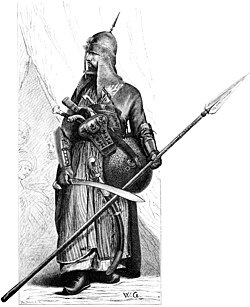
The practice of employing a slave military class began in the 9th century within the Abbasid Caliphate in Baghdad. Caliph al-Muʿtaṣim (833–842) is credited with the massive implementation of these soldiers, known as Ghilman (a term for slaves). These individuals were bought, converted, and trained to be intensely loyal to the caliph rather than to local tribal factions.
This system spread throughout the Islamic world. In Egypt, under Saladin and the Ayyubids, the Mamluks grew in strength until they eventually seized power in 1250. Similarly, the Ottoman Empire utilized a related system called devşirme (the "gathering" of young slaves) to create the Janissaries, a practice that lasted until the 17th century.
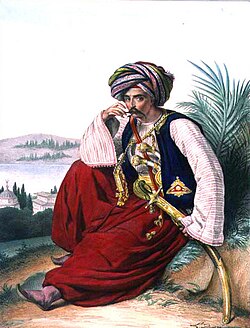
The Mamluk Sultanate and Military Dominance
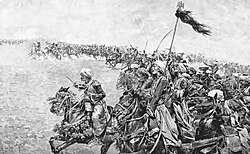
The Mamluk Sultanate is best remembered for its military prowess. They faced two primary external threats: the Christian Crusaders and the Mongol Ilkhanate.
Conflict with the Crusaders
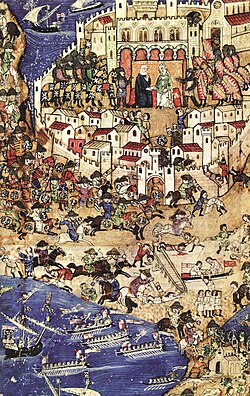
Between 1154 and 1221, Mamluk forces fought the western European Crusaders, effectively driving them out of Egypt and the Levant. The era of the Crusades formally ended in 1302 with the Mamluk capture of Ruad, the final Crusader stronghold in the region.
The Mongol Wars
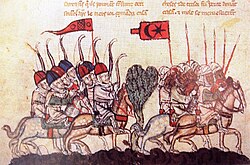
The Mamluks achieved a historic victory against the Ilkhanate at the Battle of Ain Jalut. While they suffered a defeat at the Battle of Wadi al-Khazandar in 1299, they regained the upper hand in subsequent battles in 1303/1304 and 1312. A peace treaty was finally signed between the two powers in 1323.
Administration and Social Structure
The Mamluk society was highly organized, with a complex hierarchy of titles and roles. The Amir (prince) held significant power, while the Atabek served as the commander in chief. The state utilized an Iqta system, where revenue from land allotments was granted to military officers.
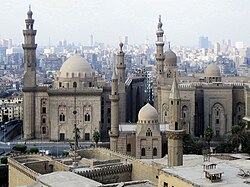
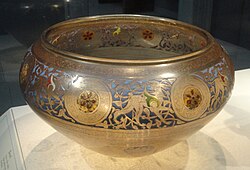
Their cultural impact was equally significant, leaving behind a legacy of grand architecture and luxury goods. The Mosque-Madrassa of Sultan Hassan in Cairo stands as a testament to their architectural ambition, while their glassware was traded as far as China.
Mamluk Administrative Terminology
| Term | Meaning/Role |
|---|---|
| Amir | Prince or high-ranking officer |
| Atabek | Commander in chief |
| Bayt al-Mal | The state treasury |
| Iqta | Revenue from land allotment |
| Jashnakir | Sultan's food taster |
| Silihdar | Arm-bearer |
The Decline and Fall
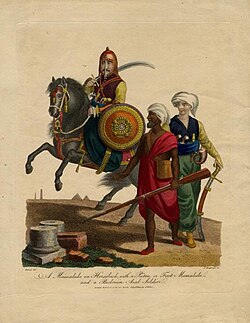
The decline of the Mamluk Sultanate began with the rise of the Ottoman Empire. In 1515, Sultan Selim launched a war that led to the conquest of Egypt. The traditional Mamluk cavalry, while elite, proved unable to compete with the Ottomans' advanced artillery and Janissary infantry. The Battle of Marj Dabiq in 1516 resulted in the death of Sultan Al-Ghawri and the loss of Syria to the Turks.
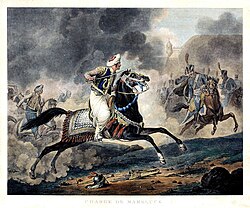
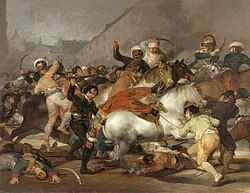
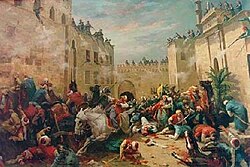
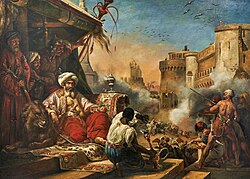
Despite the fall of the Sultanate, Mamluk factions continued to hold regional power as beys in Ottoman provinces. They encountered Napoleon's French forces during the Egyptian campaign of 1798. However, their influence finally ended in 1811 with the Massacre of the Mamluks at the Cairo citadel.
Global Reach: Mamluks Beyond Egypt
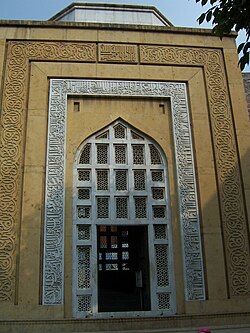
The Mamluk system was not limited to Egypt. In India, Qutb-ud-din Aybak founded a Mamluk Sultanate in Delhi in 1206, which lasted until 1290. In Iraq, a Mamluk-led regime persisted from 1704 until 1831, with rulers like Sulayman Pasha the Great maintaining control over the region.
Frequently Asked Questions
Who were the Mamluks?
The Mamluks were a class of slave-soldiers, primarily of Turkic or Caucasian origin, who were purchased, converted to Islam, and trained as elite warriors. They eventually became a ruling political and military elite in several Muslim states.
What was the significance of the Battle of Ain Jalut?
The Battle of Ain Jalut was a pivotal victory where the Mamluks defeated the Mongol Ilkhanate, effectively stopping the Mongol expansion into Egypt and the Levant.
How did the Mamluks end the Crusades?
Through a series of military campaigns, the Mamluks drove the Crusaders out of Egypt and the Levant, culminating in the capture of Ruad in 1302, which expelled the last Crusader presence from the region.
Why did the Mamluks lose to the Ottomans?
The Mamluks relied heavily on traditional cavalry warfare, which was outmatched by the Ottoman Empire's use of gunpowder, specifically their superior artillery and disciplined Janissary infantry.
Did Mamluks exist outside of Egypt?
Yes, Mamluk regimes were established in various regions, including the Delhi Sultanate in India and later in Iraq and the Levant under Ottoman suzerainty.