Baybars: The Mamluk Sultan Who Defied Mongols and Crusaders
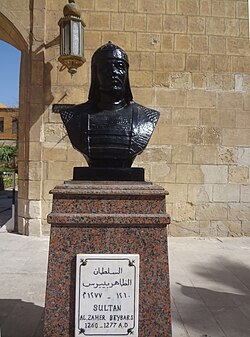
In the turbulent 13th century, the Eastern Mediterranean was a crossroads of clashing empires. Amidst this chaos rose Baybars (also known as Baibars), the fourth Mamluk sultan of Egypt and Syria. Ruling from 1260 to 1277, Baybars transformed the Mamluk Sultanate into a dominant regional power through a masterful blend of military genius and strategic diplomacy.
Known by the nickname Abu al-Futuh ("Father of Conquests"), Baybars is most remembered for halting the seemingly unstoppable Mongol advance and systematically dismantling the remaining Crusader strongholds in the Levant. His reign marked the beginning of an era of Mamluk hegemony that would last for centuries.
Key Facts
- Full Name: Al-Malik al-Zahir Rukn al-Din Baybars al-Bunduqdari.
- Reign: October 24, 1260 – June 30, 1277.
- Origin: A Kipchak Turk from the Dasht-i Kipchak region (modern-day southern Russia/Ukraine).
- Major Achievement: Led the vanguard at the Battle of Ain Jalut, the first major defeat of the Mongols.
- Dynasty: Bahri dynasty of the Mamluk Sultanate.
- Legacy: Established the Cairo-based Abbasid caliphate to legitimize Mamluk rule.
From Slave to Sultan: The Early Life of Baybars
Baybars was born between 1223 and 1228 in the steppe region north of the Black Sea. A member of the Barli tribe of the Kipchak (Turkic nomadic people), his early life was shattered by the Mongol invasions. After witnessing the massacre of his parents, he was captured and sold into slavery in the Sultanate of Rum at the Sivas market.
His journey eventually led him to Cairo, where he was purchased by 'Alā' al-Dīn Īdīkīn al-Bunduqārī, a high-ranking Egyptian. When al-Bunduqārī was arrested in 1247, Baybars became the property of Sultan As-Salih Ayyub. This transition into the elite military caste of the Mamluks—slave-soldiers who eventually seized power—set the stage for his political ascent.
The Path to Power
Baybars' rise was not linear. Following a power shift in 1254, he and other Bahri Mamluks fled to Syria, where they spent several years in conflict with Egyptian leadership. He engaged in various campaigns across Jerusalem, Gaza, and Nablus before eventually securing his position. In 1260, following the death of Saif ad-Din Qutuz, Baybars was crowned Sultan at Salihiyah.
Legitimizing the Throne
To solidify his rule, Baybars addressed a critical void in the Muslim world: the lack of a caliph after the Mongols sacked Baghdad in 1258. In 1261, he proclaimed an Abbasid refugee, Abu al-Qasim Ahmad, as caliph al-Mustansir II. When that leader perished, Baybars established a new line of Abbasid caliphs in Cairo starting with al-Hakim I in 1262.
While these caliphs were largely symbolic instruments of the sultan, they provided the necessary religious and political legitimacy to justify Baybars' authority over Egypt and Syria.
Military Campaigns and Conquests
Defeating the Mongols and Crusaders
Baybars' military career was defined by his ability to fight on two fronts. He played a pivotal role in the Battle of Ain Jalut, which stopped the Mongol expansion into Africa. He later formed a strategic alliance with the Golden Horde to further isolate the Ilkhanate (the Mongol state in Persia).
Against the Crusaders, Baybars was relentless. He captured several key strongholds, including the fall of Jaffa, Beaufort Castle, and the Siege of Safed. His most brutal victory occurred in 1268 at the Siege of Antioch, where he razed the city and enslaved much of its population, effectively ending the Principality of Antioch.
The Ninth Crusade and Prince Edward
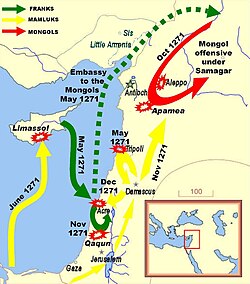
The fall of Antioch triggered the Ninth Crusade, led by Prince Edward of England. Edward arrived in Acre in 1271, attempting to forge an alliance with the Mongols. However, Baybars successfully neutralized this threat through a combination of truces and diplomatic maneuvering. Edward eventually returned home in 1272 without capturing any territory.
![Bridge built by Baybars near modern Lod, with an inscription from 1273 glorifying the sultan and depicting his emblem, the lion/panther[6]](/images/15/a8/15a8692048d6c7da52b28e8a70e6c05a9e1751fa4e88ae6cc736045c4b1ae2ea.jpg)
The Campaign against Makuria
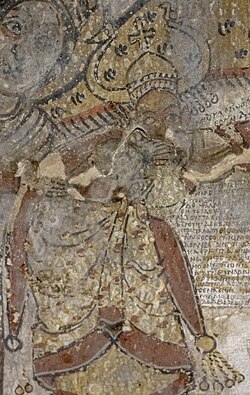
Baybars also extended his influence south into Nubia. After King David of Makuria attacked the port of Aidhab and destroyed Aswan, Baybars launched a punitive expedition in 1276. After defeating the Nubians at Gebel Adda, Meinarti, and the Battle of Dongola, Baybars captured and executed King David.
Summary of Baybars' Reign
| Category | Details |
|---|---|
| Reign Period | 1260 – 1277 |
| Primary Adversaries | Mongol Empire (Ilkhanate), Crusader States, Kingdom of Makuria |
| Key Military Victories | Ain Jalut, Antioch, Dongola |
| Political Innovation | Restoration of the Abbasid Caliphate in Cairo |
| Physical Description | Tall, broad-shouldered, swarthy skin, blue eyes, powerful voice |
Legacy and Death
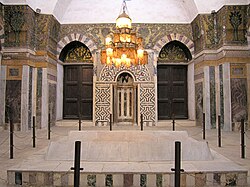
Sultan Baybars died on June 30, 1277, in Damascus at the age of 50 or 55. He was buried in the Zahiriyya Library in Damascus, a testament to his patronage of culture and science.
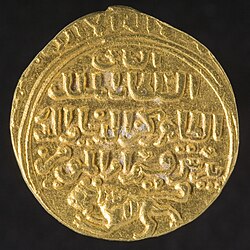
His legacy is preserved not only in the architecture of Cairo and Damascus but also in the coinage of his era, which often featured his emblem—the lion or panther.
Frequently Asked Questions
Who was Baybars?
Baybars was the fourth Mamluk sultan of Egypt and Syria, ruling from 1260 to 1277. He is famous for defeating the Mongols at Ain Jalut and capturing numerous Crusader cities.
What was the significance of the Battle of Ain Jalut?
The Battle of Ain Jalut was a turning point in history as it represented the first substantial defeat of the Mongol army, halting their westward expansion into the Levant and North Africa.
How did Baybars legitimize his rule?
He established a line of Abbasid caliphs in Cairo. Although these caliphs held little actual power, their presence provided the religious and legal legitimacy required for the Mamluk sultans to rule the Muslim world.
What happened to the city of Antioch under Baybars?
In 1268, Baybars captured Antioch. Despite promises to spare the inhabitants, he razed the city and killed or enslaved a large portion of the population, marking one of the most violent episodes of the Crusading era.
Where was Baybars born?
He was born in the Dasht-i Kipchak region, north of the Black Sea (modern-day southern Russia or Ukraine), as a member of the Kipchak Turkic people.