Mamie Eisenhower: The Resilient First Lady and Fashion Icon
Mary Geneva "Mamie" Doud Eisenhower was much more than the spouse of a president; she was a stabilizing force, a dedicated military wife, and a cultural trendsetter. Serving as the First Lady of the United States from 1953 to 1961, Mamie navigated the complexities of high-stakes military life and the intense scrutiny of the White House with grace and a distinct sense of style.
Born in Boone, Iowa, and raised in a wealthy Colorado household, Mamie’s life was defined by her long-standing partnership with Dwight D. Eisenhower. From their early days in the Army to the heights of the presidency, her influence was felt both in the private halls of the White House and in the national fashion trends she inspired.
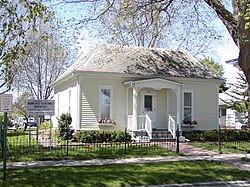
Key Facts
- Full Name: Mary Geneva Doud Eisenhower
- Role: First Lady of the United States (1953–1961)
- Spouse: Dwight D. Eisenhower
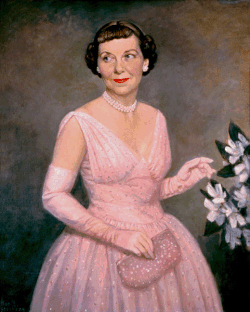
- Signature Style: Iconic bangs and the frequent use of pink
- Political Affiliation: Republican
- Legacy: Known for her frugality in White House management and her impact on mid-century fashion
Early Life and Marriage
Mamie Doud first met Dwight D. "Ike" Eisenhower in 1915 at Fort Sam Houston. Though she initially turned him down, his persistence led to an engagement on Valentine's Day in 1916. The couple married that same year, beginning a lifelong journey that would see them move across the globe.
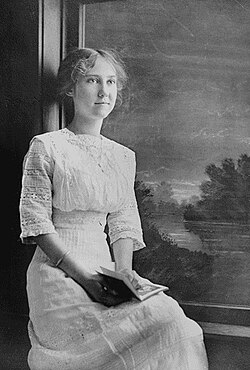
Their early years were marked by both joy and profound tragedy. The couple had two sons: Doud Dwight "Icky" Eisenhower and John Sheldon Doud Eisenhower. Tragically, their firstborn, Icky, passed away from scarlet fever at the age of three in 1921. This loss, combined with the frequent separations required by Ike's military career, presented significant emotional challenges for Mamie.
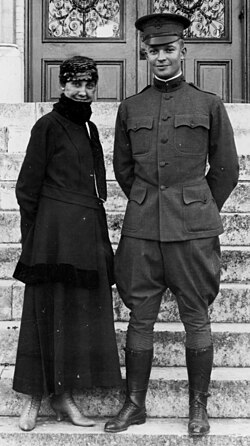
Life as an Army Wife
As Ike’s military career ascended, Mamie embraced her role as a supportive military spouse. She managed households in diverse environments, including Panama, the Philippines, and France. By the time the family moved to Washington, D.C., in 1929, "Club Eisenhower" had become a premier social hub for the city's elite.
The Eisenhower Presidency
When Dwight D. Eisenhower was elected president, Mamie transitioned from a military hostess to the nation's premier social leader. She was granted significant control over White House scheduling and expenses, where she was noted for her frugality and careful management of staff and budgets.
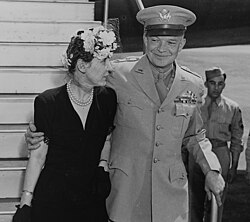
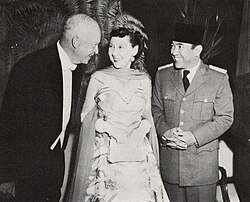
As a hostess, she entertained foreign heads of state and maintained a dignified presence on the world stage. While she largely avoided direct political involvement, she was a vocal supporter of soldiers' welfare and civil rights causes. During her tenure, she also provided essential emotional and physical support to the President, particularly following his heart attack in 1955.
Managing the White House and Health Challenges
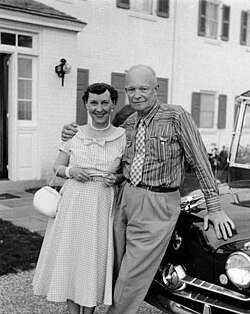
Mamie’s role extended beyond social functions; she was a protector of her husband's health and privacy. She managed his diet, his mail, and even created a private space for him to practice painting. During this time, she also faced personal health struggles with Ménière's disease, an inner-ear disorder affecting equilibrium. This condition led to bouts of vertigo, which unfortunately fueled unfounded rumors regarding her health.
Fashion and Cultural Legacy
Mamie Eisenhower remains a celebrated fashion icon. She was famous for her signature bangs—a style she adopted in Panama to stay cool—and her love for the color pink. Her preference for the shade was so influential that it became known as "Mamie pink," sparking a national trend in clothing and home decor.
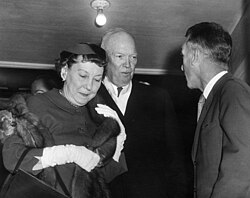
One of her most famous sartorial moments was her 1953 inaugural gown, a pink peau de soie dress embroidered with over 2,000 rhinestones. This garment remains a significant piece in the Smithsonian National Museum of American History collection.
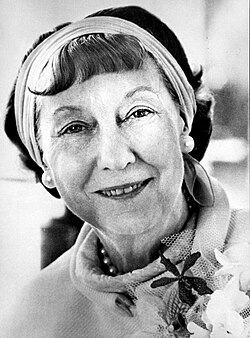
Even in her later years, Mamie remained a respected figure in American public life, maintaining close ties with the Nixon family and participating in political causes she believed in, such as supporting the Republican Party and various social interests.
Summary of Mamie Eisenhower's Life
| Category | Details |
|---|---|
| Born | November 14, 1896 |
| Died | November 1, 1979 |
| Spouse | Dwight D. Eisenhower (m. 1916) |
| Children | John Sheldon Doud Eisenhower (and Doud Dwight Eisenhower) |
| Primary Residence | Gettysburg, Pennsylvania (Retirement) |
Frequently Asked Questions
What was Mamie Eisenhower's signature fashion style?
Mamie was known for her iconic bangs and her frequent use of pink, which inspired a national trend often referred to as "Mamie pink."
How did Mamie Eisenhower manage the White House?
She had near total control over White House expenses and scheduling, and she was recognized for her frugal approach to budgeting and staff management.
What health condition did Mamie Eisenhower have?
She suffered from Ménière's disease, an inner-ear disorder that caused issues with balance and vertigo.
Where is Mamie Eisenhower buried?
She is buried beside her husband, Dwight D. Eisenhower, in his hometown of Abilene, Kansas.
Did Mamie Eisenhower participate in politics?
While she showed little interest in political discussion and rarely engaged in partisan politics during her time as First Lady, she supported soldiers' welfare, civil rights, and later in life, various Republican candidates.