Discover Malmö: Sweden's Vibrant Coastal Hub
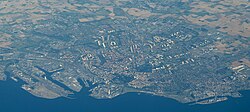
Located in the southern province of Scania (Skåne), Malmö is a city where deep historical roots meet cutting-edge modern innovation. As Sweden's third-largest city, it serves as a vital gateway between Scandinavia and continental Europe, characterized by its diverse population, architectural landmarks, and a spirit defined by its motto: "Mångfald, Möten, Möjligheter" (Diversity, Meetings, Possibilities).
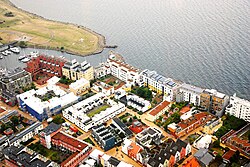
Whether you are exploring the medieval streets of the old town or gazing at the futuristic skyline of the Västra Hamnen district, Malmö offers a unique blend of cultural richness and urban dynamism.
Key Facts
- Population: Approximately 368,135 (City) and 780,035 (Metro area).
- Location: Skåne County, Sweden.
- Historical Transition: Part of Denmark until 1658, then became part of Sweden.
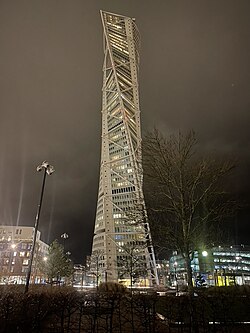
- Major Landmark: The Turning Torso, a distinctive twisting skyscraper.
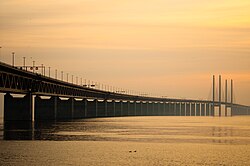
- Connectivity: Linked to Denmark via the Öresund Bridge.
- Climate: Temperate with mild summers and cool winters.
A Journey Through Time
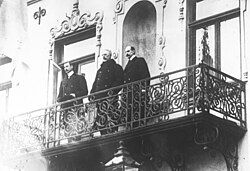
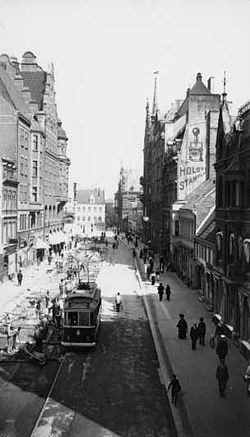
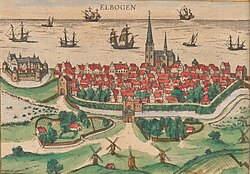
Malmö's history is a tapestry of shifting borders and industrial evolution. For centuries, the city was under Danish rule (1275–1658) before being integrated into Sweden. This dual heritage is reflected in the city's architecture and cultural identity.
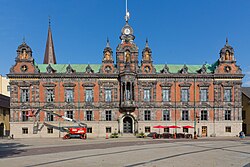
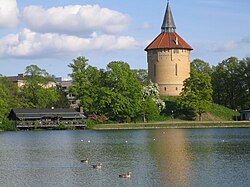
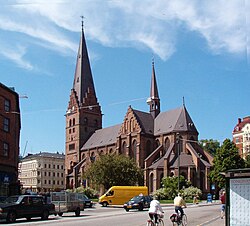
The city's historical core is anchored by landmarks such as Malmö Castle and Sankt Petri Church. Over the decades, Malmö has transformed from a historical trading post into a major industrial center, and more recently, into a hub for technology and sustainable living.
Growth and Demographics
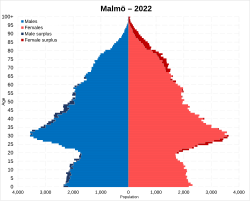
Malmö has seen significant population growth over the last two centuries. From just over 10,000 residents in 1810, the city has expanded into a bustling metropolitan area. Today, it is one of Sweden's most international cities, with 36% of its population being foreign-born. This diversity is represented by a wide array of communities, including large populations from Iraq, Syria, Denmark, and Poland.
Geography and Climate
Situated at an elevation of 12 meters, Malmö is a coastal city that benefits from its proximity to the sea. The climate is characterized by moderate temperatures, though it experiences seasonal variations typical of Northern Europe.
Summers are generally mild, with mean daily maximum temperatures often reaching the mid-20s (°C). Winters are cooler, with mean daily minimums frequently dipping below freezing. Precipitation is distributed throughout the year, with August typically seeing the highest average rainfall.
Modern Infrastructure and Connectivity
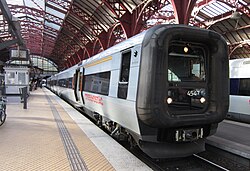
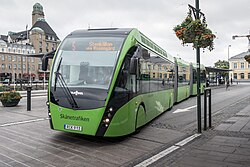
One of Malmö's greatest strengths is its connectivity. The Öresund Bridge provides a critical link to Denmark, facilitating the movement of people and goods across the strait. This connection is supported by a robust transport network, including regional trains and an extensive bus system.
Urban Development
The city continues to evolve through ambitious urban planning. Areas like Västra Hamnen (the Western Harbor) have become symbols of modern, sustainable living, featuring iconic structures like the Turning Torso.
Culture, Sports, and Entertainment
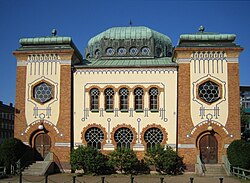
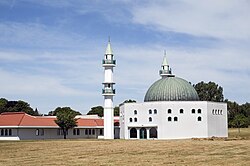
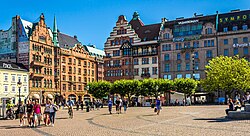
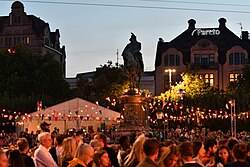
Malmö is a cultural powerhouse, hosting various museums, theaters, and annual events like the Malmöfestivalen. The city's religious diversity is also visible in its architecture, ranging from the historic Art Nouveau Malmö synagogue to local mosques and churches.
A Hub for Sports and Large-Scale Events
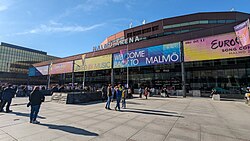
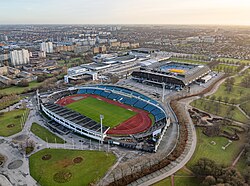
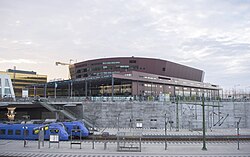
Sports enthusiasts find much to enjoy in Malmö. The city is home to major venues such as Malmö Arena, which has hosted the Eurovision Song Contest, and various stadiums that serve as the home for local football clubs like Malmö FF.
Summary of City Profile
| Category | Details |
|---|---|
| Country | Sweden |
| Province | Scania (Skåne) |
| Population (City) | 368,135 |
| Land Area | 156.9 km² |
| Time Zone | UTC+1 (CET) / UTC+2 (CEST) |
| Motto | Diversity, Meetings, Possibilities |
Frequently Asked Questions
What is the most famous landmark in Malmö?
While Malmö has many historic sites like Malmö Castle, the Turning Torso is perhaps its most recognizable modern landmark due to its unique twisting architectural design.
How is Malmö connected to Denmark?
Malmö is connected to Denmark via the Öresund Bridge, which allows for both road and rail travel (via Øresundståg trains) between the two countries.
What is the climate like in Malmö?
Malmö has a temperate climate. Summers are mild and pleasant, while winters are cool. The city experiences moderate precipitation throughout the year.
Is Malmö an international city?
Yes, Malmö is highly diverse. Approximately 36% of its population is foreign-born, with significant communities from many different countries around the world.
What major events are held in Malmö?
Malmö hosts several major events, including the Malmöfestivalen and international competitions like the Eurovision Song Contest, which has been held at the Malmö Arena.