Lund: Exploring Sweden's "City of Ideas"
Nestled in the province of Scania in southern Sweden, Lund is a city where ancient history meets cutting-edge innovation. Known by its motto, Idéernas stad (The City of Ideas), Lund has evolved from a medieval religious center into a global hub for science, research, and education. Whether you are walking through its cobblestone streets or exploring its sprawling science parks, the city offers a unique blend of academic prestige and historical charm.
Key Facts
- Motto: Idéernas stad (The City of Ideas)
- Founded: Approximately 990 AD
- Major Institution: Lund University (established 1666)
- Population: Approximately 96,000–98,000 (2024 estimate)
- Primary Industry: High-tech research, biotechnology, and education
A Journey Through History
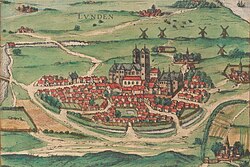
The roots of Lund stretch back over a millennium. Archaeologists date the city's founding to around 990, a time when the Scania region was part of Denmark. Its importance grew significantly in 1103 when it became the seat of the Catholic Archdiocese of Lund. At the heart of this religious history stands the magnificent Lund Cathedral, constructed between roughly 1090 and 1145.
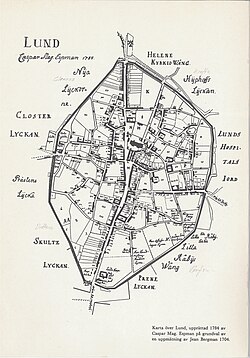
Political boundaries shifted in 1658 when Denmark ceded the city to Sweden following the Treaty of Roskilde. This transition marked a new era for the city, which would eventually become a cornerstone of Swedish academic life.
The Legacy of Learning
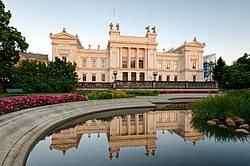
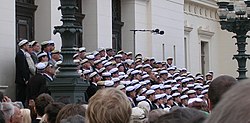
Lund's reputation as a center of intellect began with the Academy of Lund, Scandinavia's first university, founded in the 1400s. Although it was suppressed during the Danish Reformation in 1537, the academic spirit was revived with the establishment of the current Lund University in 1666. Today, the university remains a primary driver of the city's economy and culture.
Geography and Urban Life
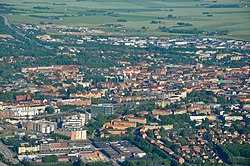
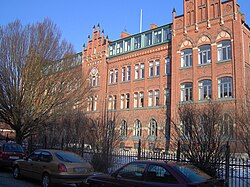
Lund is the seat of Lund Municipality, which manages the city and surrounding areas such as Dalby, Södra Sandby, and Veberöd. The city is characterized by a mix of historic architecture and modern infrastructure, making it a highly accessible urban center.
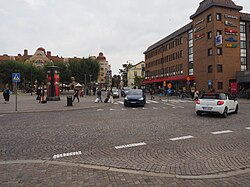
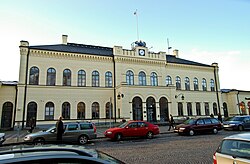
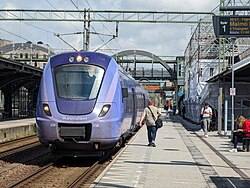
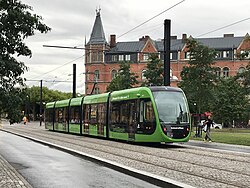
Transportation in Lund is diverse, ranging from the efficient railway connections to a prominent tramway system and a culture where bicycles are widely used for commuting.
City Squares and Streets
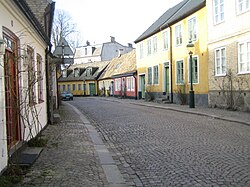
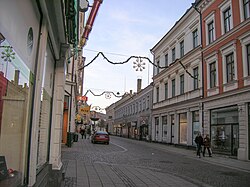
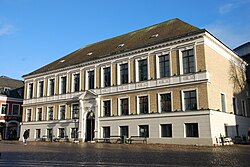
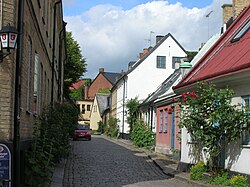
The city's layout features several notable streets and squares that showcase its evolution. From the historic Adelgatan (originally meaning Main Street) to the bustling pedestrian thoroughfare of Lilla Fiskaregatan, the city center is designed for both commerce and community.
Parks, Nature, and Culture
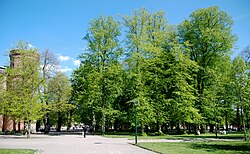
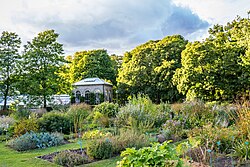
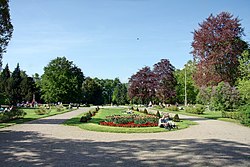
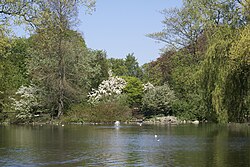
Despite its status as a high-tech hub, Lund maintains a deep connection to nature. The city is home to several beautiful green spaces that serve as lungs for the urban environment.
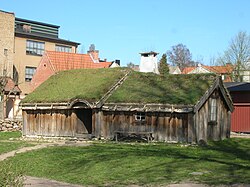
Cultural life is equally vibrant. The Kulturen open-air museum provides a window into the past by hosting a collection of historical Scanian buildings, allowing visitors to experience how life was lived in previous centuries.
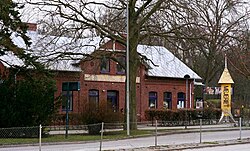
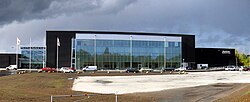
For entertainment, residents and students frequent venues like Mejeriet or attend various musical and sporting events held at facilities like the Sparbanken Skåne Arena.
The Modern Economy: Science and Industry
Lund's economy is deeply intertwined with its academic institutions. The Lund Institute of Technology maintains strong ties to the local high-tech industry, fostering an environment of continuous innovation.
Two major hubs drive this economic engine:
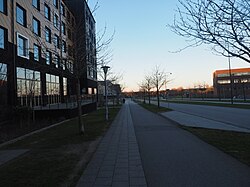
- Ideon Science Park: Founded in 1983, this park hosts approximately 350 companies and employs thousands of people, many of whom work in high-tech sectors linked to the university.
- Medicon Village: A specialized research park that emerged following the redevelopment of former pharmaceutical sites, hosting over 100 organizations.
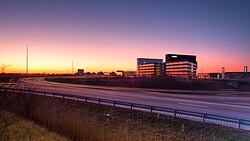
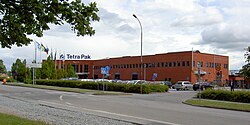
Additionally, major global corporations like Tetra Pak maintain a significant presence in the southern part of the city, contributing to Lund's status as a commercial powerhouse in the Öresund Region.
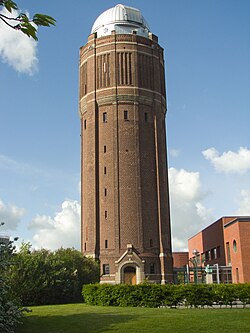
Summary of Lund at a Glance
| Category | Details |
|---|---|
| Country | Sweden |
| Province | Scania (Skåne) |
| Motto | Idéernas stad (The City of Ideas) |
| Key Institutions | Lund University, Ideon Science Park |
| Major Industries | Research, High-tech, Biotechnology |
Frequently Asked Questions
What is the significance of Lund University?
Lund University is one of Scandinavia's most prestigious institutions. Established in its current form in 1666, it is a major employer and a central driver of the city's scientific and economic development.
How is the climate in Lund?
Lund experiences a temperate climate. Based on 1991–2020 data, the city sees its warmest months in July and August, with mean daily maximum temperatures around 29°C. Winters are cooler, with mean daily minimums often hovering near or slightly below freezing.
What are the main industries in Lund?
The economy is heavily focused on high-tech industries, research, and biotechnology. This is supported by the presence of Ideon Science Park, Medicon Village, and major companies like Tetra Pak and Sony Mobile.
Is Lund a good city for transportation?
Yes, Lund is well-connected via the Swedish railway system, features a tramway, and offers extensive bus services. The city is also highly accessible for cyclists.
What can tourists see in Lund?
Visitors can explore the historic Lund Cathedral, walk through the botanical gardens or Stadsparken, visit the Kulturen open-air museum, and experience the academic atmosphere of the city center.