Mali: A Journey Through West African History, Culture, and Politics
Located in the heart of West Africa, the Republic of Mali is a land of profound historical depth and diverse cultural heritage. From the legendary gold-rich empires of the medieval era to its modern role as a pivotal state in the Sahel, Mali represents a crossroads of trade, faith, and scholarship. Today, it is a unitary presidential republic navigating a complex transition under military leadership, while striving to maintain its rich social fabric.
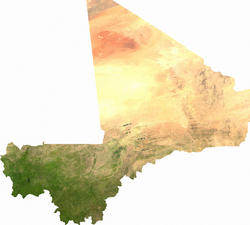
Key Facts
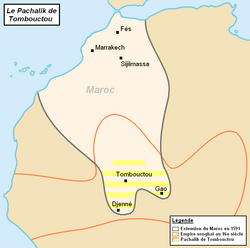
- Capital: Bamako, the largest city and administrative center.
- Official Status: A unitary presidential republic currently governed by a military junta.
- Demographics: A population estimated at 25.2 million (2025), with the Bambara being the largest ethnic group (35.9%).
- Religion: Predominantly Islamic (96.4%), with small minorities of Christians and traditional faith practitioners.
- Economy: Heavily reliant on agriculture (particularly cotton) and mining (gold).
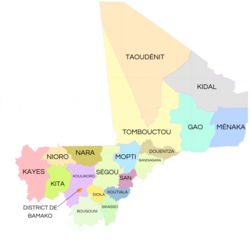
- Geography: A vast landlocked territory covering over 1.2 million square kilometers.
Historical Legacy: From Empires to Independence
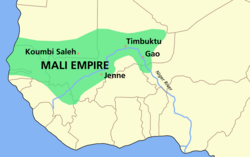
Long before European colonization, the region was home to some of the most sophisticated civilizations in human history. The Mali Empire reached its peak as a global center of wealth and learning, famously controlling the trans-Saharan trade routes.
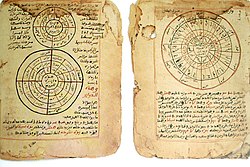
Timbuktu emerged as a beacon of intellectualism during this era. The Timbuktu Manuscripts, written in Sudani script (a form of Arabic), provide evidence of advanced knowledge in astronomy and mathematics. Today, nearly a million such manuscripts remain in Timbuktu alone, testifying to the city's legacy as a scholarly hub.
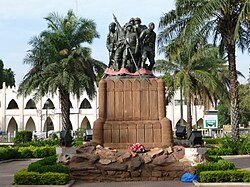
The transition to the modern state began with French colonial rule, leading to a series of political shifts in the mid-20th century. Mali established the Sudanese Republic in 1958 and briefly merged with Senegal to form the Mali Federation in 1959. Full independence from France was achieved on June 20, 1960, followed by the formal declaration of the Republic of Mali on September 22, 1960.
Geography and Environment
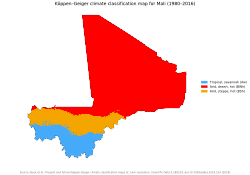
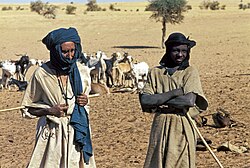
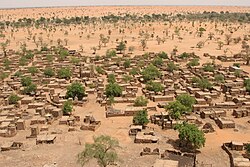
Mali's landscape is defined by its position in the Sahel—the transition zone between the Sahara Desert to the north and the savannas to the south. This geography creates a stark contrast in climate and lifestyle, from the nomadic traditions of the north to the agricultural heartlands of the south.
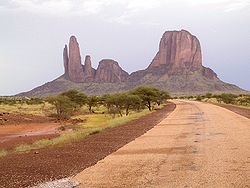
The country's climate is categorized by the Köppen classification, reflecting the arid conditions of the north and the more humid regions in the south. This environmental diversity influences everything from the architecture of the mosques to the types of crops grown in the river valleys.
Society and Cultural Identity
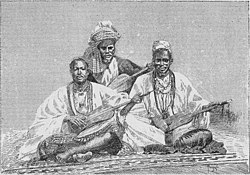
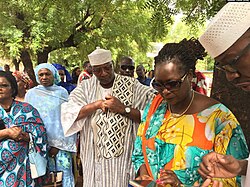
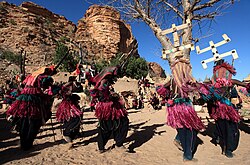
Mali is a mosaic of ethnic groups and languages. While French serves as the de facto working language, the state recognizes 13 national languages, with Bambara being the most widely spoken. The social structure is deeply influenced by traditional roles, such as the Griots—professional oral historians and musicians who preserve the community's genealogy and legends.
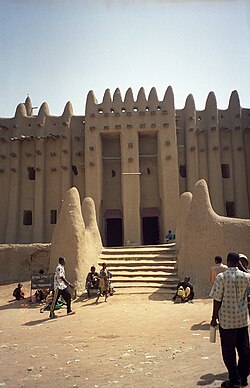
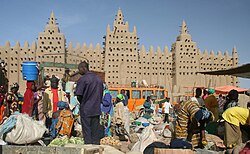
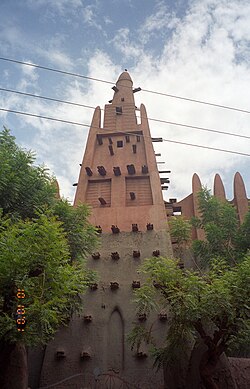
The population is predominantly Muslim, which is reflected in the stunning mud-brick architecture of cities like Djenné and the historic mosques of Timbuktu. However, traditional faiths and Christianity also coexist within the national identity.
Ethnic Composition
The 2022 census highlights a diverse demographic landscape:
- Bambara: 35.9%
- Fula: 12.8%
- Senufo: 9.4%
- Malinke: 8.4%
- Soninke: 8.2%
- Dogon: 6.1%
- Songhai: 4.8%
- Tuareg: 3.9%
Economy and Infrastructure
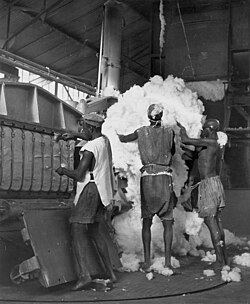
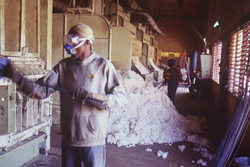
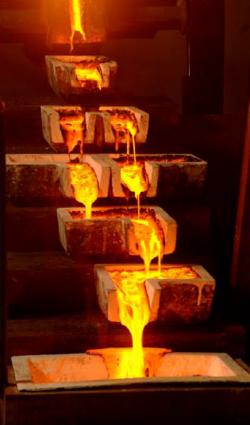
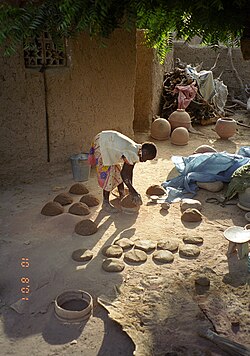
Mali's economy is primarily agrarian and extractive. Cotton is a cornerstone of the agricultural sector, processed into large bales for export to France and other African nations. Mining, particularly the extraction of gold, provides a significant portion of the national revenue.
Despite these resources, the country faces economic challenges, reflected in a low Human Development Index (HDI) of 0.419. Infrastructure development continues, with efforts to improve road resilience and the resumption of passenger rail services between Bamako and Dakar.
Economic Summary
| Indicator | Value | Global Rank/Note |
|---|---|---|
| Total GDP (PPP) | $72.74 Billion | 115th |
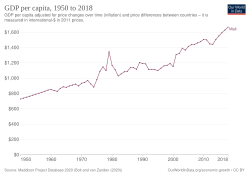
| GDP Per Capita (Nominal) | $936 | 175th |
| Population (2025 Est.) | 25.2 Million | 61st |
| Currency | West African CFA franc (XOF) | Regional Currency |
| HDI (2023) | 0.419 | 188th (Low) |
Modern Politics and Security
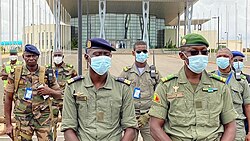
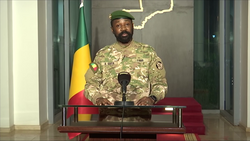
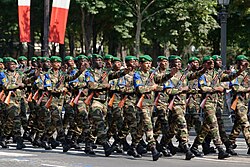
In recent years, Mali has experienced significant political instability. The country has transitioned from a multi-party democracy to a government led by a military junta. Following coups in the 2020s, Assimi Goïta has served as the interim president.
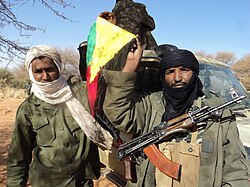
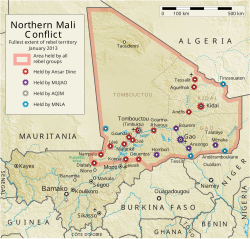
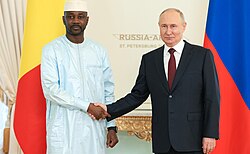
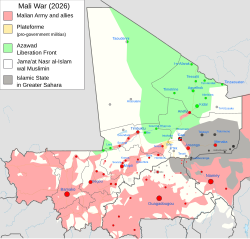
Security remains a critical concern, particularly in Northern and Central Mali. The region has seen conflicts involving Tuareg separatist rebels and various armed groups. This instability has led to shifts in foreign relations, including the severance of defense accords with France and a strengthening of ties with Russia.
Frequently Asked Questions
What is the significance of the Timbuktu Manuscripts?
The manuscripts are historical documents written in Sudani script that prove the existence of advanced scientific, mathematical, and astronomical knowledge in West Africa during the Mali Empire.
Who are the Griots in Malian culture?
Griots are traditional storytellers, musicians, and oral historians who play a vital role in preserving the history and genealogy of the Fula, Bambara, and other ethnic groups.
What are the primary drivers of Mali's economy?
The economy is driven largely by the agricultural production of cotton and the mining of gold, alongside livestock and trade.
What is the current political status of Mali?
Mali is currently a unitary presidential republic governed by a military junta, with Assimi Goïta serving as the interim president following recent coups d'état.
Which languages are spoken in Mali?
While French is the de facto working language, Mali has 13 national languages, with Bambara being the most prominent, followed by Fula, Songhay, and Tamasheq.