Malay Language: History, Evolution, and Global Reach
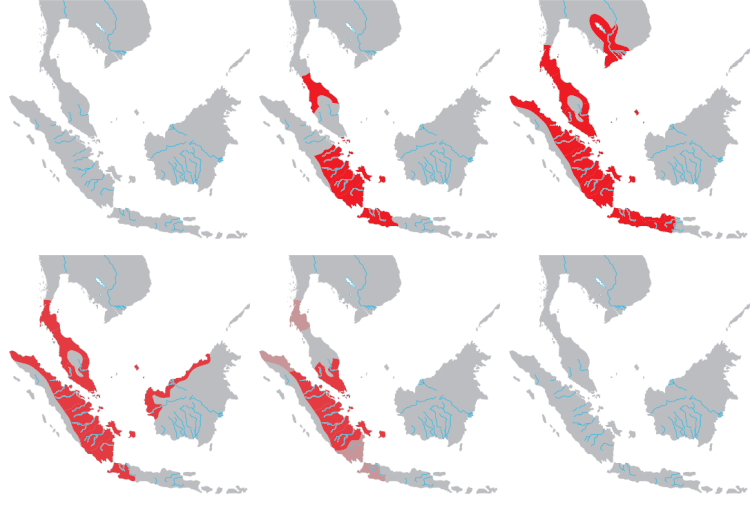
The Malay language (Bahasa Melayu) is a cornerstone of communication and culture across Southeast Asia. As a member of the Austronesian language family, it has evolved from a regional trade tongue into the foundation for two major national languages: Standard Malay and Indonesian. With a combined reach of hundreds of millions of speakers, it serves as a vital link between diverse ethnic groups in Brunei, Indonesia, Malaysia, and Singapore.
Key Facts
- Speaker Base: Approximately 90 to 125 million native speakers and 180 million second-language speakers.
- Official Status: Official language of Brunei, Malaysia, Singapore, and Indonesia (as Indonesian).
- Language Family: Part of the Austronesian, Malayo-Polynesian, and Malayic branches.
- Writing Systems: Primarily uses the Latin alphabet, but historically and culturally employs Jawi (Arabic-based), Pegon, and others.
- Global Recognition: Indonesian is recognized as an official language of UNESCO.
The Origins and Historical Evolution
The journey of the Malay language began with Old Malay, which was heavily influenced by Sanskrit, the ancient Indo-Aryan language of India. This influence is still evident in much of the modern vocabulary.
The earliest physical evidence of the language is the Kedukan Bukit inscription, dated May 1, 683. Found in South Sumatra, this stone artifact uses the Pallava variety of the Grantha alphabet and represents the oldest surviving specimen of Old Malay.

The spread of the language was driven largely by the Srivijaya empire, a maritime powerhouse based in Sumatra from the 7th to the 11th centuries. Through its economic dominance and territorial expansion, Srivijaya established Old Malay as the lingua franca—a common bridge language—for traders and diplomats across the Malay Peninsula and the wider archipelago.
Transition to Classical Malay
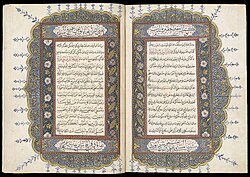
Following the Srivijaya era, the Melayu Kingdom (or Dharmasraya) continued the linguistic tradition, as seen in the 14th-century Tanjung Tanah Law, a pre-Islamic legal text for the Minangkabau people. The arrival of Islam brought a significant shift, introducing the Jawi script (an adapted Arabic alphabet).
The Terengganu Inscription Stone, dating to approximately 1303 CE, provides the earliest evidence of Classical Malay and Jawi writing. This artifact highlights the role of the language in propagating Islamic law and state governance.
![The Rencong alphabet, a native writing system found in central and South Sumatra. The text reads (Voorhoeve's spelling): "haku manangis ma / njaru ka'u ka'u di / saru tijada da / tang [hitu hadik sa]", which is translated by Voorhoeve as: "I am weeping, calling you; though called, you do not come" (hitu adik sa- is the rest of 4th line.](/images/7a/64/7a645af176123dea2eb60c077f899e3e85c46a9c05dd4beee3077094e9a30914.jpg)
Writing Systems and Literacy
Throughout its history, Malay has been written in a diverse array of scripts. While the Latin alphabet is now the standard for administration and education, other systems remain culturally significant:
- Jawi: An Arabic-based script used extensively for religious and classical texts.
- Pegon: An Arabic-based script used specifically in Indonesia.
- Historical Scripts: Including Pallava, Kawi, Rejang, and various Ulu scripts.
Regional Distribution and Modern Usage
Today, the language manifests in several standardized and vernacular forms across different nations.
National Standards
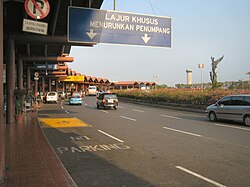
In Malaysia, Malay is the national language under Article 152 of the Constitution. While English remains prevalent in law and commerce, Malay is the primary official tongue. Singapore and Brunei also utilize Standard Malay, though Brunei maintains a distinct vernacular known as Brunei Malay.

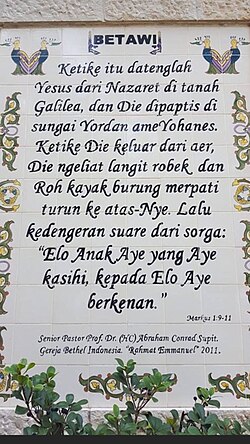
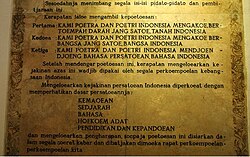
In Indonesia, the national language is Indonesian (Bahasa Indonesia), which is based on Malay. It is the primary unifying language for the archipelago's vast ethnic diversity, a status solidified by the Youth Pledge of 1928.
Minority and Diaspora Languages
Beyond the primary four nations, Malay varieties are spoken in southern Thailand, the Cocos Islands, and the southeastern Philippines. Additionally, Sri Lankan Malay is recognized as a minority language in Sri Lanka, reflecting the historical diaspora of Malay speakers.

Linguistic Characteristics
Malay phonology is characterized by a specific set of consonants and vowels that vary by region. For example, the pronunciation of the final 'a' in open syllables differs between the Baku (standard) Indonesian and the Northern Peninsular Malaysian dialects.
The language has also integrated numerous loanwords from Arabic, particularly in religious and legal contexts, with some sounds being assimilated into native Malay phonetics (e.g., the Arabic /x/ often becoming /k/ or /h/ in Indonesian).
Summary of Malay Language Status
| Country | Official/National Status | Primary Standard/Variety |
|---|---|---|
| Malaysia | National Language | Standard Malay |
| Indonesia | National Language | Indonesian |
| Brunei | Official Language | Standard Malay / Brunei Malay |
| Singapore | Official Language | Standard Malay |
| Timor-Leste | Working Language | Indonesian / Dili Malay |
Frequently Asked Questions
What is the difference between Malay and Indonesian?
While both are based on the same Malayic root, they have evolved into two distinct standard forms. Indonesian has been shaped by the national identity of Indonesia and incorporates different loanwords and influences compared to the Standard Malay used in Malaysia, Singapore, and Brunei.
What is the Jawi script?
Jawi is an Arabic-based alphabet adapted for writing the Malay language. It was the primary writing system for Classical Malay and remains important for religious and cultural documents in the Malay world.
How did the Srivijaya empire influence the language?
Srivijaya used Old Malay as its administrative and trade language. Because of the empire's vast maritime network, Old Malay became the lingua franca for merchants and travelers across Southeast Asia, ensuring its survival and spread.
Is Malay spoken outside of Southeast Asia?
Yes, there are minority communities and diaspora groups, such as the Sri Lankan Malays in Sri Lanka, who continue to use the language.
Which writing system is most common today?
The Latin alphabet (the Malay alphabet) is the most widely used system for official, educational, and daily communication in all countries where Malay or Indonesian is spoken.