Major League Soccer: The Evolution of North American Professional Soccer
Founded on December 17, 1993, Major League Soccer (MLS) has grown from a nascent experiment into the premier professional soccer league in North America. Operating as a single-entity league under the CONCACAF confederation, MLS currently comprises 30 clubs across the United States (27 teams) and Canada (3 teams). Since its inaugural season in 1996, the league has transitioned through various eras, evolving its competition format and financial models to attract global talent and build a sustainable sporting culture.
Key Facts
- Founded: December 17, 1993 (First season in 1996).
- Current Scale: 30 clubs divided into the Eastern and Western Conferences.
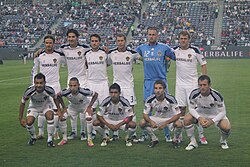
- Most Successful Club: LA Galaxy holds the record for most MLS Cups (6).
- Top Goal Scorer: Chris Wondolowski with 171 career goals.
- All-Time Appearance Leader: Nick Rimando with 514 games played.
- Broadcasting Partner: Apple TV serves as the primary global broadcaster.
The Journey from Establishment to Global Recognition
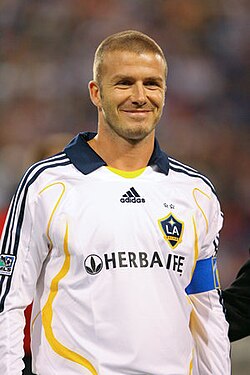
The early years of MLS were marked by the "shootout era," a unique method of deciding tied matches. However, the league soon entered a period of resurgence, focusing on stability and growth. A pivotal shift occurred in 2007 with the introduction of the Designated Player rule, which allowed teams to sign players outside the league's salary cap. This rule was first utilized to bring global superstar David Beckham to the league, fundamentally changing the international perception of North American soccer.
Expansion and Infrastructure
MLS has aggressively expanded its footprint, increasing both the number of franchises and the quality of their facilities. A major milestone in this evolution was the move toward soccer-specific stadiums—venues designed exclusively for soccer rather than shared with American football or baseball teams.
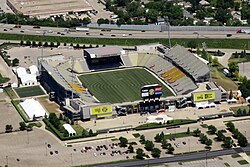
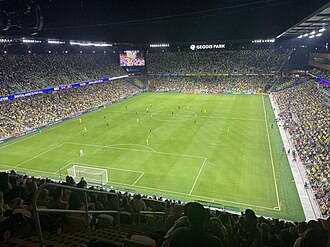
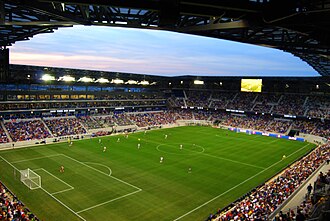
The trend continued with the opening of Red Bull Arena in 2010 and the development of modern hubs like TQL Stadium. Today, the league boasts massive venues, including Geodis Park, the largest soccer-specific stadium in the U.S.
Competition and Honors
The league operates a complex system of trophies and accolades. The MLS Cup is the championship trophy awarded to the winner of the postseason playoffs, while the Supporters' Shield is awarded to the team with the best overall regular-season record. Beyond domestic play, MLS clubs compete in the U.S. Open Cup, the Canadian Championship, and international tournaments such as the CONCACAF Champions Cup, the Campeones Cup, and the Leagues Cup.
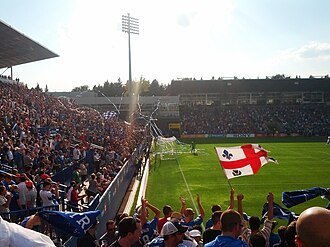
The competitive landscape has seen several dynasties. The LA Galaxy and D.C. United have historically dominated, though recent years have seen the rise of new powerhouses like Inter Miami CF, who secured their first MLS Cup in 2025.
League Performance Summary
| Team | MLS Cups | Supporters' Shields | Total Combined | Seasons |
|---|---|---|---|---|
| LA Galaxy | 6 | 4 | 10 | 30 |
| D.C. United | 4 | 4 | 8 | 30 |
| Columbus Crew | 3 | 3 | 6 | 30 |
| San Jose Earthquakes | 2 | 2 | 4 | 28 |
| Sporting Kansas City | 2 | 1 | 3 | 30 |
Financial Growth and Valuation
The economic trajectory of MLS has been steep. The valuation of teams has skyrocketed as the league's popularity grew. In 2008, average team values were around $37 million; by 2025, this figure climbed to an estimated $721 million. This growth is supported by lucrative sponsorship deals and a global broadcasting partnership with Apple TV.
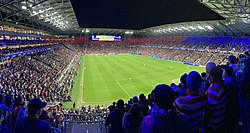
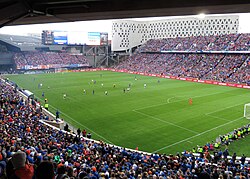
The league's ability to draw crowds has also increased. For example, FC Cincinnati's inaugural MLS home match was a sellout, attracting 32,250 fans, signaling the high demand for professional soccer in mid-sized American markets.
Player Records and Legacy
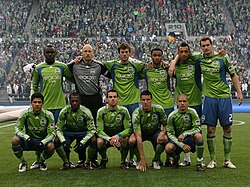
Individual brilliance has defined the league's history. Chris Wondolowski remains the all-time leading scorer with 171 goals, while Landon Donovan holds the record for the most assists (136). In goal, Nick Rimando set the gold standard for longevity and reliability, appearing in 514 games and recording 154 shutouts (clean sheets).

Frequently Asked Questions
What is the difference between the MLS Cup and the Supporters' Shield?
The MLS Cup is the championship trophy awarded to the winner of the league's postseason playoffs, whereas the Supporters' Shield is awarded to the team that finishes with the best overall record during the regular season.
Who is the all-time leading goal scorer in MLS?
Chris Wondolowski is the league's top scorer, having netted 171 goals between 2005 and 2021.
What is a Designated Player?
A Designated Player is a player whose salary can exceed the league's maximum salary cap, allowing teams to sign high-profile international stars to attract fans and improve competitiveness.
Which team has won the most MLS Cups?
The LA Galaxy holds the record for the most championships, with a total of 6 MLS Cup titles.
How many teams are currently in Major League Soccer?
There are currently 30 clubs in the league, with 27 based in the United States and 3 based in Canada.