Major Lance: The Voice of Chicago Soul and Northern Soul Legend
Major Lance was a pivotal figure in American R&B, known for his smooth vocals and a distinctive sound that helped define the Chicago Soul scene of the 1960s. While he achieved significant commercial success in the United States during the mid-sixties, his legacy expanded globally, eventually making him an iconic figure in the United Kingdom's Northern Soul movement—a subculture dedicated to rare and obscure American soul records.
From his early days in the Cabrini-Green projects to his collaborations with legendary songwriter Curtis Mayfield, Lance's career was a journey of rhythmic innovation and enduring influence.

Key Facts
- Birth Name: Major Lance (given name, not a stage name).
- Biggest Hit: "Um, Um, Um, Um, Um, Um," which reached No. 5 on the US pop chart.
- Signature Sound: A Latin-tinged Chicago Soul style developed with Curtis Mayfield, Carl Davis, and Johnny Pate.
- UK Legacy: Became a legendary live act in the 1970s among Northern Soul followers.
- Notable Family: Father of Keisha Lance Bottoms, the 60th mayor of Atlanta.
Early Life and Musical Roots
Born on April 4, 1939, in Winterville, Mississippi, Major Lance moved as a child to the mid-north side of Chicago. Growing up in the Cabrini-Green projects, he formed a lifelong friendship with Otis Leavill. The two attended Wells High School, the same institution attended by soul pioneers Curtis Mayfield and Jerry Butler.
Mayfield recalled Lance as a "sparkly fellow" and a talented basketball player who had a keen ear for songwriting, often searching Mayfield's bags for tracks that the Impressions didn't intend to record. Beyond music, Lance was active in boxing and baseball, and he began his singing journey as a member of the Five Gospel Harmonaires.
The Rise of a Soul Star
Beginnings and the Okeh Era
Lance's professional start began in the mid-1950s with a short-lived group called the Floats. After appearing as a dancer on the television show Time for Teens, he secured a one-off deal with Mercury Records for the 1959 single "I Got a Girl," written by Curtis Mayfield. Though the song didn't chart, it laid the groundwork for his future.
In 1962, on Mayfield's recommendation, Lance signed with Okeh Records. He formed a powerhouse creative partnership with Mayfield, producer Carl Davis, and arranger Johnny Pate. Together, they crafted a Latin-influenced sound that stood in stark contrast to the soul music being produced in other cities.
His breakthrough came with "The Monkey Time" in 1963, which hit No. 2 on the Billboard R&B chart and No. 8 on the pop chart. This success was followed by a string of hits, most notably "Um, Um, Um, Um, Um, Um," his biggest commercial success, and "The Matador," the only hit in his early run not written by Mayfield.
Expanding Horizons and the UK Connection
During the 1960s, Lance toured the United Kingdom, where he was supported by the band Bluesology, which featured a young pianist named Reggie Dwight—later known as Elton John.
As his momentum at Okeh slowed in the late 60s, Lance recorded for Dakar Records and Mayfield's Curtom label, scoring R&B Top 40 hits like "Follow the Leader" and "Stay Away from Me (I Love You Too Much)." In 1972, he relocated to England to capitalize on his popularity within the Northern Soul scene. He became a legendary club act, known for high-energy performances, and recorded the live album Major Lance's Greatest Hits Recorded Live at the Torch in Stoke on Trent.
Later Years and Legacy
Lance returned to Atlanta in 1974, experimenting with disco versions of his hits for Playboy Records and launching his own label, Osiris, with drummer Al Jackson. Despite a brief stint with Motown's Soul subsidiary in 1978, his commercial success waned. However, he found a new audience on the beach music circuit in the Carolinas.
His later years were marked by personal struggles, including a prison term for cocaine possession in 1978, a heart attack in 1987, and near-blindness caused by glaucoma. He retired from the industry but made one final appearance in June 1994 at the 11th Chicago Blues Festival. Major Lance passed away in his sleep on September 3, 1994, due to heart disease.
| Category | Details |
|---|---|
| Active Years | 1959–1994 |
| Primary Genres | Soul, R&B, Pop |
| Key Collaborators | Curtis Mayfield, Carl Davis, Johnny Pate |
| Major Labels | Okeh, Dakar, Curtom, Volt, Columbia, Soul (Motown) |
| Defining Hits | "The Monkey Time", "Um, Um, Um, Um, Um, Um" |
Frequently Asked Questions
Was 'Major' a stage name?
No, 'Major' was his given name, not a nickname or a professional pseudonym.
What is Northern Soul and why was Major Lance important to it?
Northern Soul is a UK-based music and dance movement focused on rare, uptempo American soul records from the 1960s. Major Lance became a legendary figure in this scene due to the danceability and rarity of his early recordings.
Who is Keisha Lance Bottoms?
Keisha Lance Bottoms is the daughter of Major Lance. She is a prominent American politician who served as the 60th mayor of Atlanta from 2018 to 2022 and has worked in the administration of President Joe Biden.
Which famous musician did Major Lance tour with in the UK?
During his UK tours in the 1960s, Lance was supported by the band Bluesology, which included a young Reggie Dwight, who later became the global superstar Elton John.
What happened to Major Lance's music after his death?
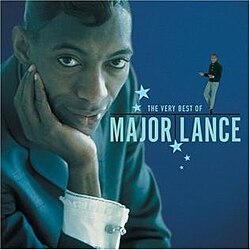
His work continues to be celebrated through compilations, such as Sony's Everybody Loves a Good Time: Best of Major Lance and The Very Best of Major Lance, which preserve his contributions to the Chicago Soul sound.