Madison Square Garden III: The Legacy of the 50th Street Arena
For over four decades, Madison Square Garden III (MSG III) served as the beating heart of New York City's sports and entertainment scene. Opened in 1925 and demolished in 1969, this iconic indoor arena was the third venue to bear the famous name. Unlike its predecessors, MSG III was the first to move away from Madison Square, finding its home on the west side of Eighth Avenue between 49th and 50th streets, situated on the former site of the city's trolley-car barns.
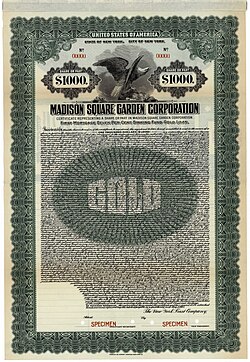
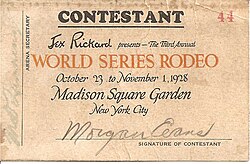
Known as "The House That Tex Built," the arena was the vision of boxing promoter Tex Rickard, who funded the $4.75 million project through a group of backers he called his "600 millionaires." Designed by theater architect Thomas W. Lamb, the building was a stark departure from the ornate style of the second Garden, featuring a simple box-like exterior topped with a distinctive, abbreviation-heavy marquee.
Key Facts
- Operational Years: Opened December 15, 1925; closed February 13, 1968.
- Location: Manhattan, New York (Eighth Avenue between 49th and 50th Streets).
- Capacity: Up to 18,496 for basketball and 15,925 for ice hockey.
- Primary Tenants: New York Rangers (NHL) and New York Knicks (NBA).
- Architect: Thomas W. Lamb.
- Fate: Demolished 1968–1969; site now occupied by One Worldwide Plaza.
Sports and Athletics
Boxing: The Main Attraction
Boxing was the primary claim to fame for MSG III. The arena hosted its first bout on December 11, 1925, where Paul Berlenbach defended his world light heavyweight title against Jack Delaney. The venue's popularity peaked on January 17, 1941, when a record-breaking crowd of 23,190 people gathered to watch Fritzie Zivic defend his welterweight title against Henry Armstrong.
Ice Hockey and the "Curse of 1940"
The arena was the home of two NHL teams: the New York Americans and the New York Rangers. While the Americans opened the Garden in 1925, the Rangers—founded by Tex Rickard—eventually became the dominant force, winning three Stanley Cups between 1928 and 1940. Following the Americans' suspension of operations in 1942, a legend known as the "Curse of 1940" emerged, suggesting that the Rangers were barred from winning another Stanley Cup until 1994 due to the management's refusal to let the Americans return or the "defiling" of the Stanley Cup trophy by manager Kilpatrick.
Basketball and the Early NBA
Professional basketball debuted at the Garden on December 6, 1925, with a game between the Original Celtics and the Washington Palace Five. The New York Knicks began playing there in 1946. Interestingly, due to scheduling conflicts, the Knicks played all their home games for the 1951, 1952, and 1953 NBA Finals at the 69th Regiment Armory, meaning MSG III never actually hosted an NBA Finals game.
Professional Wrestling and Cycling
The Capitol Wrestling Corporation and the World Wide Wrestling Federation promoted major events here, including Bruno Sammartino's 48-second victory over Buddy Rogers in 1963. However, the venue also saw turmoil, such as a 1957 race riot involving fans of Edouard Carpentier and Argentina Rocca. Additionally, the arena hosted the "Six Days of New York" track cycling event from 1925 to 1961, which became the longest-running series of its kind in the world.
Entertainment and Cultural Events
The Circus and Variety Acts
The Ringling Bros. and Barnum & Bailey Circus was such a profitable staple that it took priority over professional sports. The circus's spring engagements often forced the Knicks and Rangers to move their playoff games to alternate sites.
Political Rallies and Social Movements
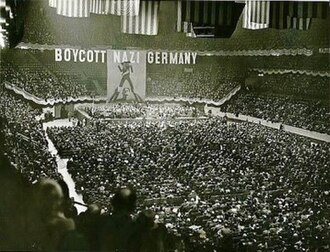
MSG III was a frequent site for massive public gatherings. Franklin D. Roosevelt used the venue for presidential campaign speeches in 1932 and 1936. The arena also hosted significant political and social events, including a 1937 anti-Nazi rally and a 1942 memorial service for six million Jews murdered by the Nazis titled "We Will Never Die." In 1945, a rally of at least 67,000 people gathered to call for the establishment of a Jewish state in Palestine.
Celebrity Appearances
From Marilyn Monroe singing "Happy Birthday, Mr. President" to John F. Kennedy in 1962, to the 16-week mission of evangelist Billy Graham in 1957, the Garden was a magnet for the world's most famous figures.
Closure and Demolition
By the 1960s, the arena suffered from poor sight lines and inadequate ventilation. In 1960, the Madison Square Garden Corporation purchased the air rights to Penn Station to build a newer, larger venue. The third Garden officially closed on February 13, 1968, with the Westminster Dog Show serving as the final event. The building was demolished by 1969, and the site remained a parking lot until the opening of One Worldwide Plaza in 1989.
| Category | Details |
|---|---|
| Architect | Thomas W. Lamb |
| Construction Cost | $4.75 Million |
| Boxing Capacity | Max 23,190 (Record) |
| NHL Tenants | NY Americans, NY Rangers |
| NBA Tenant | New York Knicks |
| Final Event | Westminster Dog Show (1968) |
Frequently Asked Questions
Why was MSG III demolished?
The arena was demolished due to poor sight lines from the upper decks and a growing demand for more seating as the popularity of the Knicks and Rangers increased.
What is the "Curse of 1940"?
It is a sports legend suggesting the New York Rangers were cursed to not win a Stanley Cup from 1940 until 1994, allegedly because management blocked the return of the New York Americans or because the Stanley Cup trophy was "defiled" by burning mortgage papers in its bowl.
Did the New York Knicks ever play an NBA Finals game at MSG III?
No. Due to other event bookings, the Knicks played their home games for the 1951, 1952, and 1953 NBA Finals at the 69th Regiment Armory.
What stands on the site of MSG III today?
The site of the former arena on 50th Street is now occupied by the One Worldwide Plaza building.
Who was Tex Rickard?
Tex Rickard was a boxing promoter who owned and operated Madison Square Garden III and is credited with funding and building the arena, leading to its nickname "The House That Tex Built."