Louis Armstrong's Hot Five and Hot Seven Sessions: Redefining Jazz
Between 1925 and 1928, a series of recordings fundamentally shifted the trajectory of American music. The Louis Armstrong Hot Five and Hot Seven sessions were not merely a collection of songs, but a revolution in how jazz was played and perceived. By moving the focus from collective improvisation to the brilliance of the individual soloist, Louis Armstrong established a new standard of beauty and innovation that musicians still strive to equal today.
The significance of these sessions is recognized at the highest level; they were added to the National Recording Registry in 2002, the very first year of the institution's existence. Experts note that these recordings radically altered the focus of jazz, replacing the traditional ensemble-led approach with spectacular instrumental and vocal improvisations.
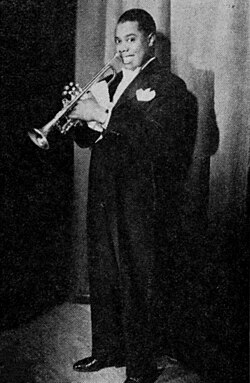
Key Facts
- Recording Period: 1925 to 1928.
- Primary Innovation: Shifted jazz from collective playing to a focus on the individual soloist.
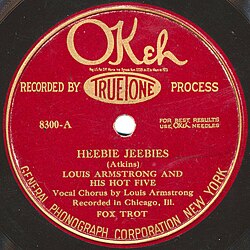
- Vocal Milestone: Popularized scat singing (vocal improvisation using nonsense syllables) in the track "Heebie Jeebies."
- Technical Milestone: Established the stop-time technique (where the band plays short, sharp chords while the soloist plays against the silence) in "Potato Head Blues."
- Registry Status: Inducted into the National Recording Registry in 2002.
The Evolution of the Sessions
The Hot Five (1925–1926)
The early Hot Five recordings laid the groundwork for Armstrong's influence. Featuring a tight-knit group including Kid Ory on trombone and Lil Hardin Armstrong on piano, these sessions produced classics like "Muskrat Ramble" and "West End Blues." These tracks showcased Armstrong's mastery of the cornet and his ability to weave complex, emotive melodies over a steady rhythm.
The Hot Seven (1927)
In 1927, Armstrong expanded his ensemble to the Hot Seven, adding more rhythmic depth with the inclusion of tuba and drums. This era produced some of his most technically demanding work, including "Wild Man Blues" and "Twelfth Street Rag," further cementing his role as jazz's first great soloist.
Later Hot Five and Orchestral Work (1927–1928)
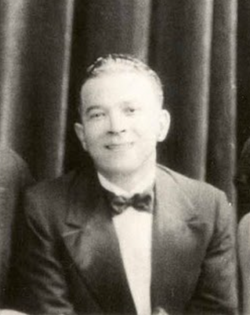
Armstrong returned to the Hot Five format in late 1927 and 1928, often incorporating new talent such as the influential pianist Earl Hines. During this period, he transitioned from the cornet to the trumpet, producing legendary tracks like "Weather Bird" and "St. James Infirmary." The arrangements became more sophisticated, blending tight ensemble work with expansive, daring solos.
Core Personnel and Contributors
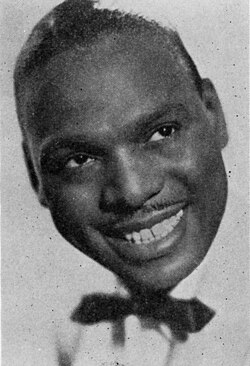
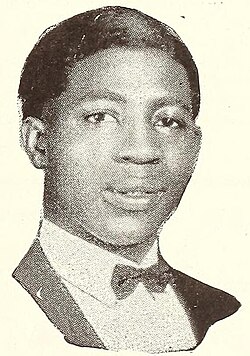
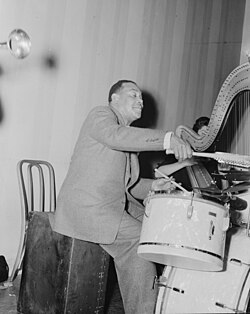
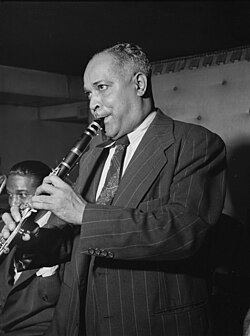
While Louis Armstrong was the centerpiece, the sessions relied on a rotating cast of virtuosos who helped shape the New Orleans and Chicago jazz sounds. Key contributors included Johnny Dodds on clarinet, Johnny St. Cyr on banjo, and Baby Dodds on drums.
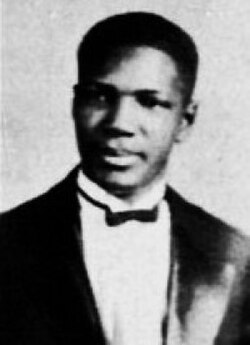
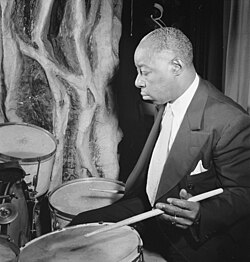
Other notable musicians appeared across different sessions, such as guitarist Lonnie Johnson and trombonist Fred Robinson, adding diverse textures to the recordings.
Session Summary
| Group | Primary Years | Notable Tracks | Key Innovation/Feature |
|---|---|---|---|
| Hot Five | 1925–1926 | "Heebie Jeebies", "Muskrat Ramble" | Popularization of scat singing |
| Hot Seven | 1927 | "Potato Head Blues", "Wild Man Blues" | Stop-time technique; expanded rhythm section |
| Hot Five (Later) | 1927–1928 | "West End Blues", "Weather Bird" | Transition to trumpet; collaboration with Earl Hines |
Frequently Asked Questions
What makes the Hot Five and Hot Seven sessions so important?
These sessions shifted the focus of jazz from collective improvisation—where the whole band played together—to the individual soloist. This change redefined the music and established Louis Armstrong as one of the most influential figures in American music.
What is scat singing and where did Armstrong use it?
Scat singing is a vocal style using nonsense syllables to improvise melodies like an instrument. Louis Armstrong helped popularize this technique in the recording "Heebie Jeebies."
What is the stop-time technique?
Stop-time is a musical device where the accompaniment plays short, rhythmic chords followed by silence, leaving the soloist to fill the gaps. Armstrong famously utilized this in "Potato Head Blues."
Which instruments did Louis Armstrong play during these sessions?
Armstrong primarily played the cornet in the earlier sessions (1925–1927) and transitioned to the trumpet in the later 1928 recordings.
Who were some of the key musicians in these groups?
Key members included Lil Hardin Armstrong (piano), Kid Ory (trombone), Johnny Dodds (clarinet), Johnny St. Cyr (banjo), and later, Earl Hines (piano) and Zutty Singleton (drums).