Little Rock Crisis: The Courage of the Little Rock Nine
The Little Rock Crisis stands as a pivotal moment in the American civil rights movement, representing a fierce clash between state-level resistance and federal authority. At its heart was the struggle to desegregate public education, a battle that pitted nine courageous African American students against a wall of systemic racism and political opposition in Arkansas.
The catalyst for this confrontation was the landmark 1954 U.S. Supreme Court decision in Brown v. Board of Education. This ruling declared that laws establishing segregated schools were unconstitutional under the Fourteenth Amendment, mandating the desegregation of public schools across the United States.
Key Facts
- The Little Rock Nine: Nine African American students selected for their excellent grades and attendance to integrate Central High School.
- Legal Foundation: The crisis was triggered by the 1954 Brown v. Board of Education ruling.
- Federal Intervention: President Eisenhower deployed the 101st Airborne Division to enforce integration.
- The "Lost Year": A period in 1958-1959 when public high schools in Little Rock were physically shut down.
- Outcome: The legal battle culminated in the 1958 case Cooper v. Aaron.
The Path to Integration: The Blossom Plan
Following the Supreme Court's mandate, the National Association for the Advancement of Colored People (NAACP) worked to register Black students in previously all-white schools. In Little Rock, Superintendent Virgil Blossom developed a strategy known as the Blossom Plan. While initial proposals suggested faster integration, the final version was a gradual approach.
The plan scheduled the integration of Little Rock Central High School for September 1957. Subsequent phases were intended to open a few junior high schools by 1960, with limited grade school desegregation potentially occurring as late as 1963.
The Little Rock Nine
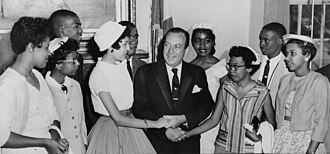
The NAACP selected nine students based on high academic standards and attendance records to lead the integration of Central High. These students, known as the Little Rock Nine, included:
- Ernest Green (the first African American to graduate from Central High)
- Elizabeth Eckford
- Jefferson Thomas
- Terrence Roberts
- Carlotta Walls LaNier
- Minnijean Brown
- Gloria Ray Karlmark
- Thelma Mothershed
- Melba Pattillo Beals
The students were supported by Daisy Bates, the president of the Arkansas NAACP, whose home became a central hub for their efforts.
Conflict and Federal Intervention
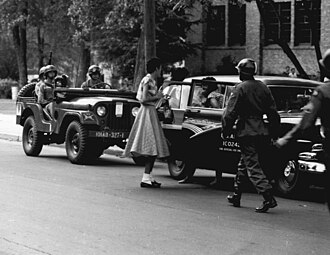
When integration began on September 4, 1957, Governor Orval Faubus deployed the Arkansas National Guard. However, instead of protecting the students, the Guard was ordered to block their entry to the school, citing a perceived danger of riots and breach of peace.
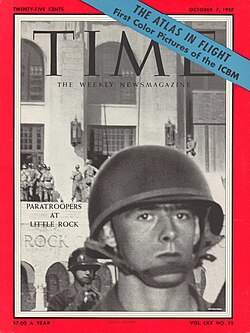
The situation escalated until President Dwight D. Eisenhower intervened. On September 23, 1957, Eisenhower issued Executive Order 10730, which federalized the Arkansas National Guard, removing them from Governor Faubus's control. To ensure the students' safety and the law's enforcement, the President invoked the Insurrection Act of 1807 and deployed the 101st Airborne Division of the U.S. Army to escort the students into the school.
The "Lost Year" and Legal Aftermath
The struggle did not end with the arrival of federal troops. In the summer of 1958, Governor Faubus sought to postpone desegregation through the court case Cooper v. Aaron, arguing that integrated schools would lead to increased violence. He requested a delay until January 1961.
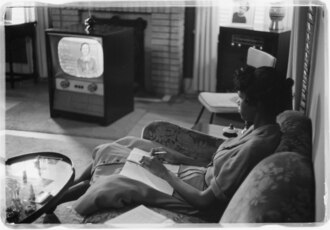
The federal courts rejected this delay in August 1958. In response, Faubus called an Extraordinary Session of the State Legislature to pass segregation bills, leading to a period known as the "Lost Year." During the 1959 school year, public high schools were physically shut down, forcing some students to watch classes via television.
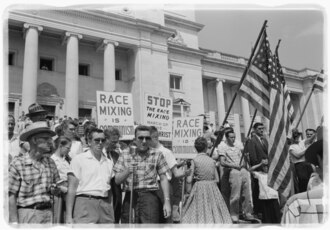
The deadlock eventually broke in May 1959 when three segregationist board members were replaced by moderates. These new members reinstated 44 fired teachers and staff, and the high schools finally reopened on August 12, 1959.
Summary of the Little Rock Crisis
| Category | Details |
|---|---|
| Primary Location | Little Rock Central High School, Arkansas |
| Key Legal Cases | Brown v. Board of Education (1954), Cooper v. Aaron (1958) |
| Key Figures | Daisy Bates, Orval Faubus, President Eisenhower, The Little Rock Nine |
| Military Forces | Arkansas National Guard, 101st Airborne Division |
| Major Outcome | Forced integration of Central High and affirmation of federal law over state resistance |
Legacy and Commemoration
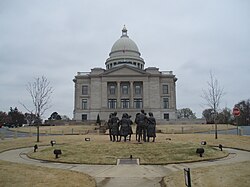
Today, Little Rock Central High School is a National Historic Site and houses a Civil Rights Museum. The Daisy Bates House is also designated as a National Historic Landmark.
The courage of the students continues to be honored through various means:
- The Little Rock Nine Foundation: Established in 1999, it provides scholarships for university students.
- Philately: A 37-cent U.S. postage stamp was issued in 2005 to commemorate the milestone.
- Numismatics: The U.S. Mint released a commemorative silver dollar in 2007.
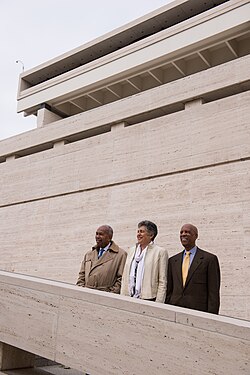
- Military Honor: In 2022, several members of the Little Rock Nine had their initials welded onto the keel of the USS Arkansas (SSN-800) attack submarine.

Frequently Asked Questions
Who were the Little Rock Nine?
The Little Rock Nine were nine African American students selected by the NAACP for their high grades and attendance to integrate the previously all-white Little Rock Central High School in 1957.
Why did the 101st Airborne Division intervene?
President Eisenhower deployed the 101st Airborne Division after Governor Orval Faubus used the Arkansas National Guard to block the students from entering the school, necessitating federal force to uphold the law and protect the students.
What was the "Lost Year"?
The "Lost Year" refers to the 1958-1959 period when public high schools in Little Rock were closed due to the political and legal battle over desegregation, leaving thousands of students without traditional classroom instruction.
What was the significance of Cooper v. Aaron?
Cooper v. Aaron was the 1958 legal battle in which the Little Rock School District attempted to delay desegregation. The federal courts ruled against the delay, reinforcing that state officials could not obstruct federal court orders.
Who was Daisy Bates?
Daisy Bates was the president of the Arkansas NAACP and a key mentor and organizer for the Little Rock Nine, providing them with guidance and a safe meeting place at her home.