Lion of Judah: History and Symbolism Across Cultures
The Lion of Judah is a powerful and enduring symbol that spans millennia, bridging the gap between ancient biblical texts and modern cultural movements. From its origins as a tribal emblem in ancient Israel to its role as a royal insignia in Ethiopia and a spiritual icon for the Rastafari, the lion represents strength, kingship, and divine conquest.
Jewish Origins and the Tribe of Judah
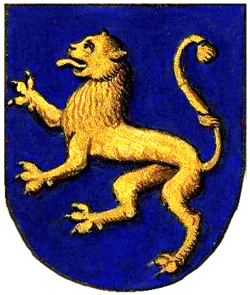
The symbol finds its roots in the biblical figure Judah (Hebrew: Yehuda), the eponymous ancestor of the Tribe of Judah. According to the Book of Genesis, the patriarch Jacob, also known as Israel, bestowed this symbol upon his son Judah during a blessing, referring to him as a Gur Aryeh (גּוּר אַרְיֵה יְהוּדָה), which translates to "Young Lion" (Genesis 49:9).
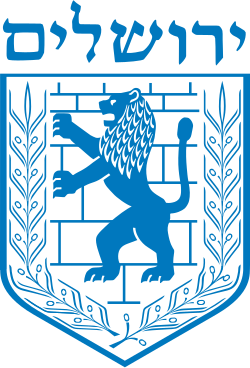
In Jewish naming traditions, the Hebrew name and a substitute name are frequently paired. Over centuries, the lion became a primary Jewish symbol. Because Jerusalem served as the capital of the Kingdom of Judah, the lion was officially incorporated into the Emblem of Jerusalem in 1950.
Christian Interpretations
In the New Testament, the Lion of Judah appears in the Book of Revelation 5:5, where one of the elders tells a weeping figure: "See, the Lion of the tribe of Judah, the Root of David, has conquered, so that he can open the scroll and its seven seals."
Many Christians interpret this passage as a reference to the Second Coming of Christ. Consequently, the lion has been adopted as an emblem or name for numerous Christian ministries and organizations worldwide.
The Solomonic Dynasty of Ethiopia
The Lion of Judah holds a central place in Ethiopian history, serving as the royal insignia of the Ethiopian Empire. This connection is rooted in the Solomonic dynasty, which claims patrilineal descent from the Israelite Royal House of Judah.
The 13th-century treatise known as the Kebra Nagast details this lineage, asserting that Makeda, the Queen of Sheba, conceived Menelik I with King Solomon during her visit to Jerusalem. As Solomon belonged to the tribe of Judah, Menelik I continued this line. Ethiopian history records this succession passing from king to king until Emperor Haile Selassie I—ostensibly the 225th king from King David—was deposed in 1974.
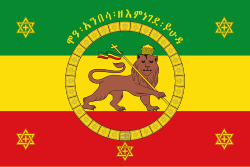
The symbol was used as a hereditary title for Ethiopian nobles and emperors, including Tewodros II, Yohannes IV, Menelik, and Haile Selassie. It appeared on the national flag from 1897 to 1974, as well as on currency and stamps. The Ge'ez motto Mo`a 'Anbessa Ze'imnegede Yihuda ("The Lion of Judah has conquered") was a formal title used throughout the dynasty.
The Rastafari Movement
For members of the Rastafari movement, the Lion of Judah is a paramount symbol representing Emperor Haile Selassie I. It embodies African sovereignty, pride, kingship, and strength.
Rastafari believe that the biblical references in Genesis 49:9 and Revelation 5:5 specifically refer to Haile Selassie I. He is hailed with titles such as "King of kings, lord of lords, conquering Lion of Judah, elect of God, the light of the world."
Key Facts
- Biblical Origin: First mentioned in Genesis 49:9, where Jacob calls Judah a "Young Lion."
- Civic Use: Included in the Emblem of Jerusalem since 1950.
- Ethiopian Royalty: Served as the hereditary title and insignia for the Solomonic dynasty until 1974.
- Historical Text: The Kebra Nagast documents the Ethiopian claim of descent from King Solomon and the Tribe of Judah.
- Rastafari Significance: Symbolizes Emperor Haile Selassie I and African sovereignty.
| Tradition/Group | Primary Meaning | Key Reference/Source |
|---|---|---|
| Judaism | Tribal identity and Jerusalem | Genesis 49:9 |
| Christianity | The Second Coming/Conquest | Revelation 5:5 |
| Ethiopian Empire | Royal legitimacy and lineage | Kebra Nagast |
| Rastafari | Haile Selassie I and Sovereignty | Biblical prophecy & Imperial history |
Frequently Asked Questions
Where does the term "Lion of Judah" originate?
It originates in the Bible, specifically in the Book of Genesis, where the patriarch Jacob blesses his son Judah, referring to him as a "Young Lion" (Gur Aryeh).
How is the Lion of Judah connected to Ethiopia?
The Solomonic dynasty of Ethiopia claims descent from King Solomon and the Tribe of Judah. The lion served as the royal insignia and hereditary title for Ethiopian emperors until 1974.
What does the Lion of Judah represent in the Rastafari movement?
It represents Emperor Haile Selassie I and serves as a symbol of strength, pride, kingship, and African sovereignty.
What is the Kebra Nagast?
The Kebra Nagast is a 13th-century Ethiopian treatise that records the history of the Solomonic dynasty, asserting that it began with Menelik I, the son of King Solomon and the Queen of Sheba.
Is the Lion of Judah used in any modern city emblems?
Yes, the Lion of Judah was included in the Emblem of Jerusalem in 1950, reflecting the city's history as the capital of the Kingdom of Judah.