Life Magazine: The Legacy of America's Definitive Photojournalism
For decades, Life served as the visual diary of the American experience. Launched in 1936, it revolutionized the way news was consumed by prioritizing the image over the written word. Rather than using photos merely to illustrate text, Life pioneered a format where pictures told the story, creating a powerful medium of photojournalism—the practice of telling a news story through photographs.
From the battlefields of World War II to the lunar surface of the Moon, Life captured the defining moments of the 20th century, blending high art with mass-market accessibility.
Key Facts
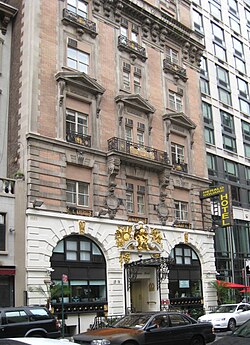
- Founded: November 23, 1936, by Henry Luce.
- Original Format: Weekly news magazine focused on high-quality photography.
- Peak Reach: Surpassed 1 million copies per week within four months of launch.
- Notable Ownership: Originally Time Inc., later owned by Meredith Corporation, People Inc., and Bedford Media.
- Digital Legacy: An archive of over six million photographs is hosted via Google.
The Rise of a Visual Giant
The magazine's origin began when publisher Henry Luce purchased a humor magazine called Life for $92,000 simply to acquire its name. Luce envisioned a publication that would give images as much importance as words. The first issue, priced at ten cents, featured the work of Alfred Eisenstaedt and immediately resonated with the public.
The success was instantaneous. Circulation jumped from 380,000 in the first issue to over one million within four months, challenging the dominance of The Saturday Evening Post. This success sparked a wave of imitators, most notably Look magazine, founded in 1937.
War and Global Influence
During World War II, Life became an essential source of information. The magazine deployed 40 war correspondents, including pioneering women such as Margaret Bourke-White and Mary Welsh Hemingway. This era cemented Life's role as a primary record of global conflict.
Cultural Impact in the 1950s and 60s
In the 1950s, Life bridged the gap between journalism and literature, commissioning works from authors like Ernest Hemingway. The magazine's influence extended into the art world; curator Edward Steichen utilized 111 Life photographs for his landmark 1955 exhibition, The Family of Man, after searching through 3.5 million images in the magazine's archives.
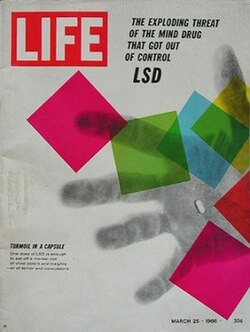
By the 1960s, the magazine shifted toward color photography, documenting the glamour of movie stars, the Kennedy administration, the Vietnam War, and the Apollo space program.
Challenges and Transitions
The rise of television in the late 1950s began to erode the magazine's readership. Despite winning a National Magazine Award in 1967, Life struggled with rising costs and shrinking advertising revenue. A blow to its credibility occurred in 1972 when the magazine supported a fraudulent autobiography of Howard Hughes by Clifford Irving.
Due to a heavy reliance on mail subscribers (96%) over more profitable newsstand sales (4%), the weekly edition ceased publication on December 29, 1972.
Later Iterations and Digital Era
Life did not disappear entirely. It returned as a monthly magazine from 1978 to 2000 and later published irregular special issues. In 2008, a partnership with Google made over six million of its photographs accessible to the public, ensuring that its historical record remains available for the digital age.
Publication Summary
| Period | Frequency | Key Milestone/Status |
|---|---|---|
| 1936–1972 | Weekly | Original run; peak of photojournalism |
| 1972–1978 | Special Reports | Thematic issues (e.g., "The Year in Pictures") |
| 1978–2000 | Monthly | General-interest news features |
| 2000–Present | Irregular | Special editions and digital archives |
Frequently Asked Questions
Who founded Life magazine?
Life was launched on November 23, 1936, by publisher Henry Luce, who purchased the name from an existing humor magazine to use for his company, Time Inc.
How did Life change the news industry?
Life pioneered the use of photography as the primary storytelling tool rather than just a supplement to text, effectively establishing the modern standard for photojournalism.
Why did the weekly version of Life end in 1972?
The magazine faced rising costs, a decline in readership due to the popularity of television, and a lack of profitable newsstand sales compared to mail subscriptions.
Where can I find Life magazine's historical photos today?
A vast archive of over six million photographs is hosted by Google as part of a joint effort, making many previously unpublished images available to the public.
Who were some of the most famous photographers for Life?
Notable contributors included Alfred Eisenstaedt, Margaret Bourke-White, Robert Capa, Henri Cartier-Bresson, and W. Eugene Smith.