The Evolution of License Plate Serial Formats in North America
License plates are more than just identification for vehicles; they are a complex intersection of administrative coding, regional identity, and evolving manufacturing technology. From the traditional embossed style—where characters are physically raised from the plate—to modern screened formats using reflective sheeting, the way serial numbers are presented has changed significantly over the decades.
Understanding these patterns requires looking at how different jurisdictions manage their numbering systems. Some states use sequential issuance, where numbers follow a strict order, while others utilize coded issuance, where specific characters represent data such as the month of expiration or the county of registration.
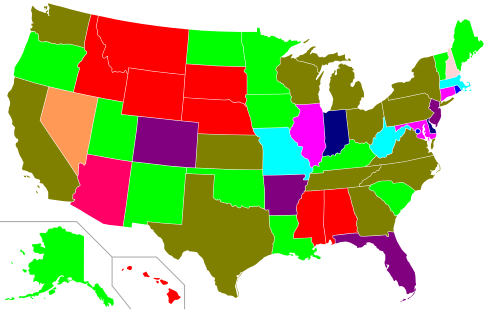
Key Facts
- Serial Formats: Patterns vary widely, ranging from simple 6-character combinations (e.g., ABC 123) to complex alphanumeric strings.
- Coding Methods: Some plates use "coded issuance" to identify the municipality, county, or expiration month.
- Manufacturing Styles: Plates are primarily produced using either embossed (raised) or screened (printed) serials.
- Reflective Technology: Most modern standard-issue plates utilize reflective sheeting to improve visibility.
- Diplomatic Plates: These follow distinct serial formats separate from standard passenger vehicle plates.
Understanding Serial Coding and Issuance
Not all license plates are issued in a simple 1-2-3 order. Jurisdictions employ various methods to organize their databases and manage inventory:
Sequential vs. Random Issuance
Sequential issuance follows a predictable progression, such as moving from 123456 to 123457. In contrast, random coding involves issuing plates based on available numbers in a non-sequential order, which can help prevent the easy prediction of plate sequences.
Coded Issuance Patterns
Many regions use specific characters to embed information directly into the plate. For example:
- County-Coded: Plates that use specific letters or numbers to denote the county of issuance (seen in Nebraska and West Virginia).
- Month-Coded: Plates where characters correspond to the month of expiration (seen in Missouri and North Carolina).
- Municipality-Coded: Plates coded by the specific city or town of issuance (seen in Guam).
Standard-Issue Passenger Plate Trends
Across North America, plate designs reflect both technological shifts and state pride. Below is a summary of various standard-issue formats and their historical contexts.
| Region/State | Era/Type | Serial Format Example | Style |
|---|---|---|---|
| Arizona | 2021–Present | XXX 1XX | Screened; Reflective |
| California | 2026–Present | 123ABC1 | Embossed; Reflective |
| Florida | Current Standard | ABC D12 | Embossed; Reflective |
| Illinois | 2017–Present | AB 12345 | Embossed; Reflective |
| New Jersey | 1974–1988 | A BC 123 (Month Coded) | Embossed; Non-reflective |
| Texas | Current Standard | ABC-1234 | Screened; Reflective |
Regional Variations in Detail
Different states demonstrate unique approaches to character combinations. Florida, for instance, utilizes six-character serial numbers with varying combinations; while the most common is four letters and two digits, they also issue plates with four digits and two letters.
Nebraska employs a dual system: its most populous counties use sequential three-letter, three-number plates, while other counties use plates coded by county, consisting of one or two letters and up to five numbers. Similarly, Indiana uses random issuance for most plates, though their "In God We Trust" specialty plates follow a specific 3-letter, 3-number format.
Diplomatic License Plates
Diplomatic plates serve a specialized purpose and follow their own unique formatting rules. Since August 2007, these plates have utilized various embossed formats, such as ABC 1234 or A 123456. These are distinct from the standard passenger plates used by the general public and are often used to identify vehicles belonging to foreign missions or international organizations.
Frequently Asked Questions
What is the difference between embossed and screened plates?
Embossed plates feature characters that are physically pressed or raised from the metal surface. Screened plates have the serial numbers printed directly onto the plate surface using ink or dyes.
What does "coded issuance" mean?
Coded issuance is a system where certain parts of the license plate number represent specific information, such as the county where the vehicle is registered or the month the registration expires.
Why do some plates use reflective sheeting?
Reflective sheeting is used to increase the visibility of the license plate at night or in low-light conditions, improving safety and making the plate easier for law enforcement to read.
Are all license plates issued in numerical order?
No. While many are issued sequentially, some jurisdictions use random coding, where numbers are assigned from the available pool in a non-sequential manner.
How can I tell if a plate is a specialty issue?
Specialty or optional issues often feature different graphics, slogans, or specific serial formats that differ from the state's standard-issue passenger plate (for example, Tennessee's "In God We Trust" plates).