Liberalism: The Evolution of Individual Rights and Political Freedom
Liberalism is a comprehensive political and moral philosophy centered on the primacy of the individual. At its core, it champions liberty, the consent of the governed, political equality, and the right to private property. By advocating for equality before the law, liberalism has become one of the most dominant ideologies in modern history, shaping the governance of numerous nations across the globe.
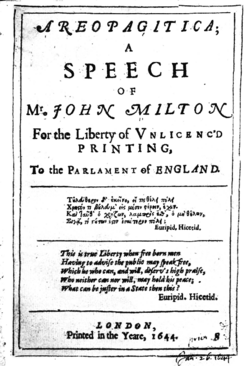
While different schools of liberal thought may occasionally clash, they generally converge on a set of fundamental supports: liberal democracy, market economies, secularism, and the rule of law. These principles extend to essential civil liberties, including freedom of speech, press, assembly, and religion.
Key Facts
- Foundational Goal: To maximize individual freedom of choice and preserve fundamental human rights.
- Core Pillars: Individual liberty, private property, and limited constitutional government.
- Historical Shift: Replaced hereditary privilege and absolute monarchy with representative democracy and the rule of law.
- Economic Impact: Promoted the transition from mercantilism (state-controlled trade) to free trade and marketization.
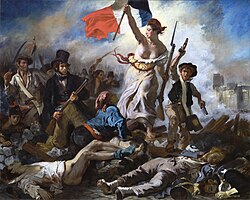
- Global Influence: Provided the philosophical justification for the American, French, and British Glorious Revolutions.
The Origins of Liberal Thought
Liberalism emerged as a distinct movement during the Age of Enlightenment, gaining traction among Western philosophers and economists who sought to challenge the status quo of their time. It aimed to dismantle the "divine right of kings" and the dominance of state religions, replacing them with systems based on reason and science.
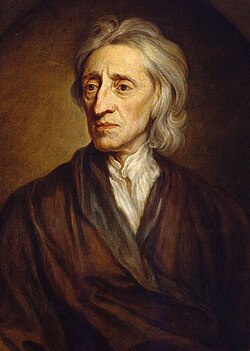
The philosopher John Locke is widely credited as the founder of the liberal tradition. Locke introduced the concept of the social contract, arguing that every individual possesses natural rights to life, liberty, and property, and that the primary role of government is to protect these rights without violating them.
As the philosophy evolved, regional variations appeared. The British tradition focused heavily on the gradual expansion of democracy, while French liberalism placed a stronger emphasis on the total rejection of authoritarianism.
Classical Liberalism and its Philosophy
Classical liberalism emphasizes the importance of limited government and the autonomy of the individual. It is built upon several major themes:
- Individual Liberty: The belief that individuals should be free to act and think without undue government interference.
- Private Property: The recognition of property rights as a cornerstone of personal independence.
- Constitutionalism: The support for a limited government bound by a written or unwritten constitution.
- Pluralism and Tolerance: The value placed on diverse beliefs, bodily integrity, and mutual consent.
Key thinkers like Montesquieu further refined these ideas by arguing for the separation of powers within government to prevent the concentration of authority and the rise of tyranny.
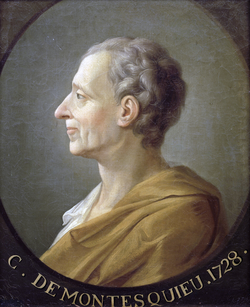
Influential Figures in Liberal Development
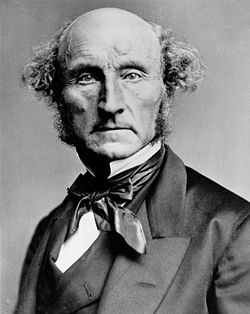
Throughout the 19th century, liberalism continued to expand. John Stuart Mill became a pivotal figure, with his work On Liberty profoundly influencing the trajectory of the movement by articulating the boundaries of state and social power over the individual.
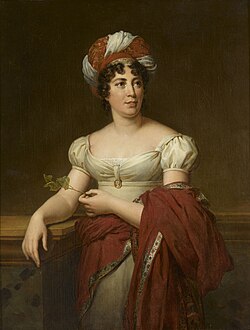
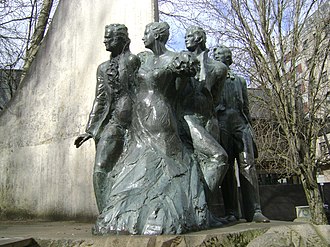
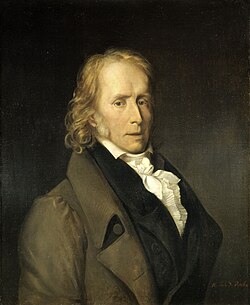
Other significant contributors include Benjamin Constant and the Coppet Group, who helped shape the discourse on political activism and theory in Europe.
The Evolution of Liberal Economics
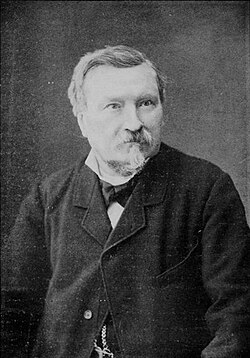
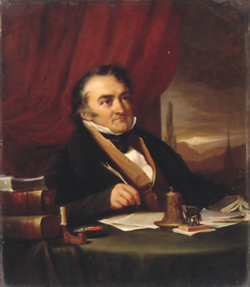
Liberalism fundamentally altered global trade by ending royal monopolies and mercantilist policies. Early liberal economic theory championed the free market, though this was not without critique. In 1819, Sismondi wrote the first liberal critique of the free market, highlighting potential systemic failures.
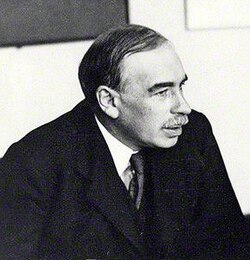
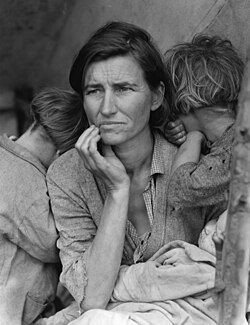
The 20th century brought a major shift known as the Keynesian Revolution. Led by economist John Maynard Keynes, this movement formalized modern liberal economic policy. Keynes argued that government intervention was sometimes necessary to manage economic demand, particularly during crises like the Great Depression.
Social Liberalism and Expanded Rights
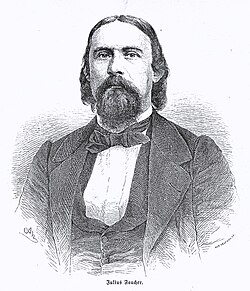
As the ideology matured, it branched into social liberalism, which recognizes that true liberty requires more than just the absence of government interference; it requires the presence of opportunity.
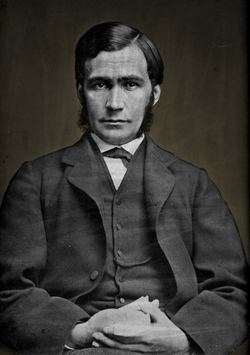
T. H. Green provided the foundations for positive liberty—the idea that the state should provide the means (such as education and health) for individuals to actually achieve their potential. His ideas eventually influenced the British Liberal Party and the rise of the modern welfare state.
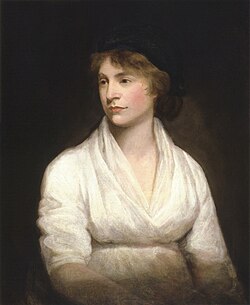
This expansion of rights also led to liberal feminism. Mary Wollstonecraft is regarded as the pioneer of this movement, applying liberal principles of equality and autonomy to gender, arguing that women deserve the same fundamental rights as men.
Liberalism in Global Practice
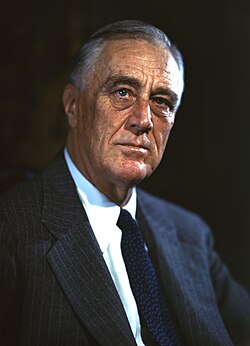
Liberalism has been applied in diverse political contexts, from the presidency of Franklin D. Roosevelt in the United States to the leadership of K. J. Ståhlberg in Finland, who anchored his state in liberal democracy and the rule of law.
![As a liberal nationalist,[180] K. J. Ståhlberg (1865–1952), the President of Finland, anchored the state in liberal democracy, guarded the fragile germ of the rule of law, and embarked on internal reforms.[181]](/images/78/49/784994e4b5093dd6795eb9ecfe0897a1d394f4b804232d2913d2b484d819cbd3.jpg)
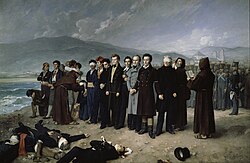
However, the pursuit of liberal ideals has often met with violent resistance. In Spain, King Ferdinand VII took repressive measures against liberal forces, leading to the execution of figures like José María de Torrijos y Uriarte. In the modern era, liberal activists continue to face persecution, as seen in the case of Saudi writer Raif Badawi.

| Tradition | Primary Focus | Key Figures | Core Objective |
|---|---|---|---|
| Classical Liberalism | Negative Liberty | John Locke, Montesquieu | Limited government & individual autonomy |
| Social Liberalism | Positive Liberty | T. H. Green, J.M. Keynes | Welfare state & equal opportunity |
| Liberal Feminism | Gender Equality | Mary Wollstonecraft | Equal rights for women |
Frequently Asked Questions

What is the difference between classical and social liberalism?
Classical liberalism focuses on "negative liberty," or freedom from government interference, emphasizing limited state power and free markets. Social liberalism emphasizes "positive liberty," suggesting that the state should actively provide social services and economic stability to ensure individuals have the actual capacity to be free.
Who is considered the father of liberalism?
John Locke is generally credited as the founder of liberalism. He established the philosophy's foundation by arguing that individuals have natural rights to life, liberty, and property, and that government exists only by the consent of the governed.
How did Keynesian economics change liberal policy?
John Maynard Keynes shifted liberal economic thought by arguing that the free market does not always self-correct. He proposed that government spending and intervention are necessary to manage economic cycles and mitigate the effects of depressions.
What is the relationship between liberalism and democracy?
While not identical, they are closely linked in "liberal democracy." Liberalism provides the moral and legal framework (individual rights, rule of law), while democracy provides the mechanism for governance (representative elections and consent of the governed).
What are the core civil liberties supported by liberalism?
Liberalism fundamentally supports freedom of speech, freedom of the press, freedom of assembly, and freedom of religion, as well as the right to a fair trial and equality before the law.