Levant Cities with Populations Over 500,000
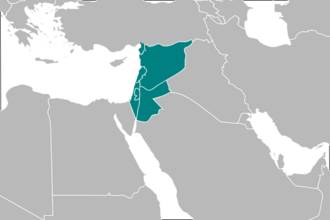
The Levant is a geographically and culturally diverse region encompassing Syria, Palestine, Lebanon, Cyprus, Israel, Jordan, and the Hatay Province of Turkey. This area is home to some of the world's oldest urban centers, which continue to serve as vital hubs for commerce, politics, and culture in the Middle East.
Understanding the urban landscape of the Levant requires a look at both city-proper populations and their broader metropolitan areas—the larger urban agglomerations that include the city center and its surrounding suburbs.
Key Facts
- Amman is the largest metropolitan area in the region with 6,150,000 residents.
- Syria has the highest number of cities on the list, with four major urban centers.
- Jordan follows closely with three cities exceeding the 500,000 population threshold.
- The population gap between city centers and metropolitan areas is most pronounced in Gaza City and Beirut.
Major Urban Centers of the Levant
The distribution of population across the Levant shows a high concentration of residents in a few primary hubs. Amman and Damascus stand out as the dominant metropolitan centers, each supporting millions of people.
Primary Metropolitan Hubs
Amman leads the region in total metropolitan population, followed by Damascus and Tel Aviv. These cities act as the primary economic engines for Jordan, Syria, and Israel, respectively. In Gaza City, there is a significant disparity between the city population and the wider metropolitan area, reflecting unique regional demographic pressures.
Secondary Urban Centers
Beyond the top three, cities like Aleppo, Beirut, and Homs maintain substantial populations. Aleppo and Homs remain critical centers within Syria, while Beirut serves as the primary urban core of Lebanon. In Jordan, Irbid and Zarqa provide essential urban support to the capital, Amman.
Population Data Summary
The following table provides a detailed breakdown of the cities in the Levant with populations of 500,000 or more, comparing their metropolitan reach to their city-proper populations.
| City | Country | Metropolitan Area | City Population |
|---|---|---|---|
| Amman | Jordan | 6,150,000 | 4,642,000 |
| Damascus | Syria | 3,975,000 | 2,503,000 |
| Tel Aviv | Israel | 3,000,000 | 1,388,400 |
| Gaza City | Palestine | 2,275,000 | 220,000 |
| Aleppo | Syria | 1,980,000 (2025) | 2,098,210 (2021) |
| Beirut | Lebanon | 1,930,000 | 433,249 |
| Homs | Syria | 1,564,000 | 775,404 |
| Jerusalem | Israel / Palestine | 1,080,000 | 1,028,366 |
| Hama | Syria | 1,079,000 | 996,000 |
| Irbid | Jordan | 1,070,000 | 569,068 |
| Haifa | Israel | 1,050,000 | 298,312 |
| Zarqa | Jordan | 735,744 | 635,160 |
| Russeifa | Jordan | 500,000 | 280,000 |
Frequently Asked Questions
Which city has the largest metropolitan population in the Levant?
Amman, Jordan, has the largest metropolitan population in the region, totaling 6,150,000 people.
How many Syrian cities have a population over 500,000?
There are four Syrian cities on this list: Damascus, Aleppo, Homs, and Hama.
What is the difference between city population and metropolitan area?
City population typically refers to the residents within the official city limits, while the metropolitan area includes the city and its surrounding urbanized suburbs and commuter zones.
Which cities in Jordan exceed 500,000 residents?
Amman, Irbid, Zarqa, and Russeifa are the Jordanian cities with populations of 500,000 or more.
Which city shows the largest gap between its city population and metropolitan area?
Gaza City shows a very significant gap, with a metropolitan population of 2,275,000 compared to a city population of 220,000.