Lena Horne: The Legendary Voice of Jazz, Cinema, and Civil Rights
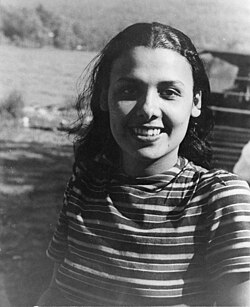
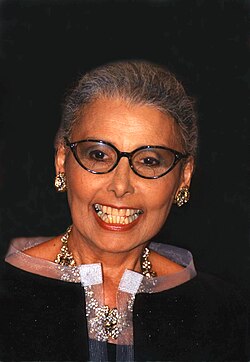
Lena Mary Calhoun Horne was more than just a performer; she was a cultural icon whose career spanned over seventy years. As a singer, actress, dancer, and dedicated civil rights activist, Horne broke systemic barriers in the American entertainment industry, transitioning from the nightclubs of Harlem to the heights of Hollywood and Broadway.
From her early days as a chorus girl to her later years as a Grammy-winning jazz vocalist, Horne used her platform to advocate for equality and racial justice. Her legacy is defined not only by her silken voice and stage presence but by her courage in the face of segregation.
Key Facts
- Career Span: Active from 1933 to 2003 across film, television, and theater.
- Groundbreaking Role: One of the first Black American performers to achieve mainstream success in Hollywood and on Broadway.
- Activism: A prominent civil rights advocate who participated in the 1963 March on Washington.
- Major Accolades: Recipient of the Grammy Lifetime Achievement Award and the Kennedy Center Honors.
- Historic Milestone: The first Black woman to have a Broadway theater named in her honor.
Early Life and the Road to Hollywood
Born in New York City on June 30, 1917, Lena Horne's journey began in Harlem. At age sixteen, she joined the chorus line of the Cotton Club, a famous venue that featured Black performers but maintained a whites-only audience policy. By 1934, she secured a featured role in the Cotton Club Parade under the mentorship of Adelaide Hall.
Horne's early career was marked by versatility. She appeared as a dancer in the 1935 short Cab Calloway's Jitterbug Party and toured with Noble Sissle's Orchestra. After a period touring with bandleader Charlie Barnet, she moved to New York's Café Society and became a vocalist for NBC's jazz series, The Chamber Music Society of Lower Basin Street.
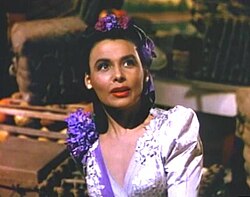
Her transition to the West Coast occurred when she was hired to perform in a revue on Hollywood's Sunset Strip. This move led to her signing with Metro-Goldwyn-Mayer (MGM) in 1942, launching her as a major cinematic presence.
Evolution of a Performer: Television and Broadway
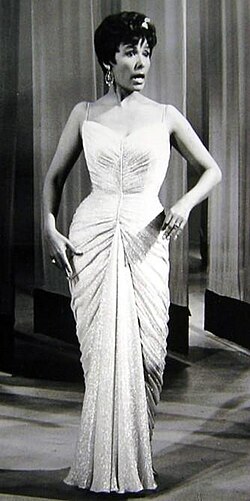
While her film career was significant, Horne became a staple of mid-century television. From the late 1950s through the 1960s, she appeared on iconic variety shows including The Ed Sullivan Show, The Dean Martin Show, and The Bell Telephone Hour.
In the 1970s, she continued to diversify her reach, co-starring with Harry Belafonte and Tony Bennett in television specials and touring internationally. Though she announced her retirement in March 1980, she returned shortly after to star in the one-woman Broadway show, Lena Horne: The Lady and Her Music. The production ran for over 300 performances and earned her critical acclaim and numerous awards.
Later Years and Recording Legacy
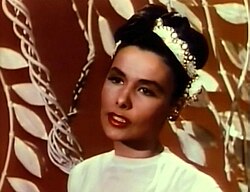
In the 1990s, Horne experienced a recording renaissance with Blue Note Records. She released three solo albums, including the 1995 live album An Evening with Lena Horne, which won the Grammy Award for Best Jazz Vocal Album. She eventually withdrew from the public eye in 2000, leaving behind a vast discography of R&B, soul, and vocal jazz.
Civil Rights and Personal Life
Horne's personal life was often intertwined with her political convictions. A member of the Democratic Party, she was a fierce advocate for civil rights. During World War II, she showed her support for Black servicemen, including the Tuskegee Airmen.
![Lena Horne posing with the Tuskegee Airmen in Tuskegee, Alabama, during World War II[N 1]](/images/82/51/82510bb6599acf331c029fdd60f37c0714e5c975cb098a9156826fc7e69e8bde.png)
Her private life also challenged social norms of the era. She was married twice: first to Louis Jordan Jones (1937–1944) and later to Lennie Hayton, an MGM music director, in 1947. Horne later spoke openly about the pressures of being in an interracial marriage and her initial desire to use the marriage to help cross the color barrier in show business, though she noted she grew to love Hayton deeply.
Legacy and Final Years
Lena Horne passed away on May 9, 2010, at the age of 92. Her influence continues to be felt in the arts and activism. In 2011, the 83rd Academy Awards paid tribute to her contributions to cinema. Furthermore, her impact on the theater was immortalized when a Broadway theater was renamed in her honor, marking a historic first for a Black woman.
| Category | Details |
|---|---|
| Primary Genres | Vocal Jazz, Traditional Pop, R&B, Soul, Broadway |
| Major Labels | MGM, RCA Victor, United Artists, Blue Note |
| Key Awards | Grammy Lifetime Achievement, Kennedy Center Honors, Tony Special Citation |
| Notable Works | Stormy Weather, The Lady and Her Music, The Wiz |
| Activism | March on Washington (1963), Civil Rights Walk of Fame |
Frequently Asked Questions
What was Lena Horne's role in the civil rights movement?
Lena Horne was a prominent activist who used her celebrity status to fight for racial equality. She participated in the 1963 March on Washington and advocated for the rights of Black Americans throughout her career.
Which Broadway show marked her return from retirement?
After a brief retirement in 1980, she returned to the stage in the one-woman show Lena Horne: The Lady and Her Music, which ran for more than 300 performances.
Did Lena Horne win any Grammy Awards?
Yes, she won several, including the Grammy for Best Jazz Vocal Album for An Evening with Lena Horne (1995) and the Grammy Lifetime Achievement Award (1989).
What was the significance of her marriage to Lennie Hayton?
Her marriage to Lennie Hayton was interracial, which brought significant social pressure. Horne later admitted that while she initially saw the marriage as a way to help her cross the color barrier in the industry, she developed a deep love for him.
How is Lena Horne honored on Broadway today?
Lena Horne is the first Black woman to have a Broadway theater named after her, cementing her legacy as a pioneer in the American theater.