Legislative Initiative: How Laws are Proposed Across Global Systems
At the heart of every functioning democracy is the right of legislative initiative—the constitutionally defined power to propose a new law, commonly known as a bill, within a legislature. While the goal of creating law is universal, the authority to start that process varies significantly between different nations and political systems.
Generally, this right is shared between the government (the executive branch) and individual legislators. However, some systems strictly limit who can introduce legislation to maintain a specific balance of power. For instance, in the United States, the right is restricted to legislators, whereas in the European Union, the executive holds a near-monopoly on the process.
Key Facts
- Legislative Initiative is the formal power to propose new bills to a legislature.
- Most countries grant this right to members of parliament, either individually or as a group.
- In the European Union, the European Commission holds the primary power to initiate legislation.
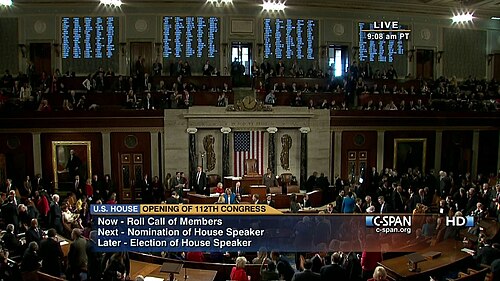
- The United States adheres to a strict separation of powers, vesting legislative power exclusively in Congress.
- Some systems allow citizens to initiate laws via signature quotas, such as the European Citizens' Initiative.
Who Holds the Right of Initiative?
While parliamentarians are the most common initiators of law, various other entities may hold this power depending on the jurisdiction:
- Executive Leaders: Heads of state (presidents or monarchs) and heads of government (prime ministers).
- Government Bodies: Entire cabinets, individual ministers, or government agencies.
- Political Entities: Political parties and local governments (common in federal systems).
- External Institutions: Academic institutions, businesses, and companies.
- The Public: Individual citizens or groups of citizens who meet a specific signature quota.
Comparative National Models
The Netherlands
In the Netherlands, the right of initiative is shared between the Dutch government and members of the House of Representatives, as outlined in Article 82 of the Constitution. While the Senate cannot initiate laws as an independent body, a joint meeting of the House and Senate (the States General) can. In practice, the government leads the drafting process in over 95% of cases, while members of parliament more frequently use their right of amendment to modify existing bills.
Belgium
Belgium grants the right of initiative to the executive (the king and his ministers), as well as members of the Senate and the Chamber of Representatives. Due to the Belgian separation of powers, the executive must exercise this right within the House.
France
France distinguishes between two types of bills: law projects (ministerial bills) and law proposals (bills from parliament). While any Member of Parliament (MP) can propose a law, these proposals can only be deposited directly if they do not increase state expenditure. Notably, only 10% of passed laws originate from MPs, largely because the government controls the legislative agenda.
The European Union
The European Commission maintains a near-monopoly on legislative initiative. While the European Parliament can indirectly request the Commission to submit a proposal under the Treaty of Maastricht and the Lisbon Treaty, the Commission can reject such requests by providing reasons. Interestingly, over 80% of Commission proposals are initially requested by other bodies. Citizens can also participate through the European Citizens' Initiative, which requires one million signatures from at least a quarter of EU member states.
The United States
The U.S. system is defined by a strict separation of powers. Article I of the Constitution vests all federal legislative power exclusively in Congress (the Senate and House of Representatives). This prevents the executive or judicial branches from initiating laws.
A key legal concept here is the nondelegation doctrine, which prohibits Congress from delegating its legislative authority to other branches. However, the Supreme Court allows Congress to delegate regulatory powers to executive agencies, provided it gives an "intelligible principle" to guide that authority. Additionally, Congress possesses an inherent power to investigate and compel cooperation, provided the inquiry is "in aid of the legislative function."
Summary of Legislative Initiative by Region
| Region/Country | Primary Initiators | Key Characteristic |
|---|---|---|
| Netherlands | Government & House of Representatives | Government leads >95% of drafting. |
| France | Government (Projects) & Parliament (Proposals) | Government controls the majority of the agenda. |
| European Union | European Commission | Near-monopoly; indirect rights for Parliament. |
| United States | Congress (Senate & House) | Strict separation of powers; nondelegation doctrine. |
| Belgium | Executive, Senate, & Chamber of Representatives | Executive must initiate within the House. |
Frequently Asked Questions
What is the difference between a law project and a law proposal in France?
Law projects are bills initiated by ministers (the executive), while law proposals are bills initiated by members of parliament. Law proposals are subject to stricter rules regarding state expenditure.
Can citizens propose laws in the European Union?
Yes, through the European Citizens' Initiative. This requires gathering at least one million signatures from citizens across at least one-quarter of the EU member states.
What is the nondelegation doctrine in the United States?
The nondelegation doctrine is the principle that Congress cannot delegate its core legislative power to the executive or judicial branches, ensuring that only elected legislators create federal law.
Does the Dutch Senate have the right to propose laws?
The Senate does not have the right of initiative as an independent body, although the joint meeting of the House and Senate (the States General) does possess this right.
Why do governments often dominate the legislative process even when parliament has the right of initiative?
Governments often control the legislative agenda, possess more drafting resources, and in some systems, can prevent parliament from modifying specific texts, as seen in the French model.