Le Canard enchaîné: France's Fearless Satirical Weekly
In the landscape of French media, few publications command as much respect and fear as Le Canard enchaîné. Known for its biting wit, refusal of advertising, and uncanny ability to leak state secrets, this weekly newspaper has carved out a unique niche as the primary watchdog of the French political and business elite.
The publication's name is a clever play on words. While canard literally means duck, it is also French slang for a newspaper or a salacious rumor. Enchaîné means chained, creating a double meaning that suggests both a "chained newspaper" and an "inside whisper." This naming convention was a nod to Georges Clemenceau's L'homme libre, which became L'homme enchaîné after facing government censorship.
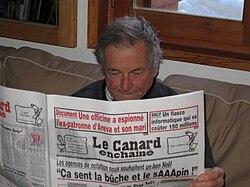
Key Facts
- Founded: 1915 by Maurice Maréchal, Jeanne Maréchal, and H. P. Gassier.
- Business Model: Strictly refuses all advertisements to maintain independence.
- Format: A consistent eight-page layout.
- Specialty: Exposing government corruption and business scandals through insider leaks.
- Political Stance: Non-aligned; criticizes all political parties and the nobility.
A History of Defiance
Founded during World War I, the weekly initially reflected the political leanings of its early contributors, many of whom were Socialists or Communists. However, by the 1920s, the paper shed these alignments to pursue a more independent path. Its commitment to freedom of speech was highlighted shortly after the Great War when it briefly renamed itself Le Canard Déchaîné ("The duck unbound") to celebrate the end of military censorship.
The publication's journey has not been without interruption. It was forced to suspend operations during the German occupation of France in 1940, resuming only after the liberation. Over the decades, it has evolved from a niche satirical sheet into a powerful political force, adopting its signature eight-page format in the 1960s.
The Art of the Leak and Satire
Le Canard enchaîné fills a critical gap in the French media ecosystem. Historically, major French newspapers were reluctant to pursue embarrassing government scandals for fear of aiding political extremists. The Canard, however, thrives on this, utilizing a network of whistle-blowers and high-level sources—often ministerial aides—to publish verbatim, off-the-record quotes from the President and Prime Minister.
The influence of the paper is so significant that former President Charles de Gaulle famously asked, "What does the bird have to say?" every Wednesday, the day the paper was printed.
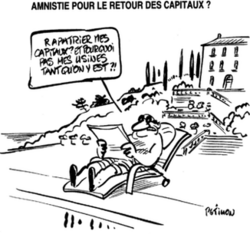
The Eight-Page Blueprint
The newspaper follows a rigid structure to organize its blend of hard news and humor:
- Pages 1, 2–4, and 8: Primarily news and editorials, with page 2 focusing on political and business anecdotes.
- Pages 5–7: Dedicated to social issues (such as the environment), profiles, general satire, and reviews of film, opera, theatre, and literature.
Recurring Features and Linguistic Style
The publication is famous for its specific jargon and recurring segments. Mare au Canards provides short political news, while Prises de Bec offers weekly profiles. The paper also mocks the linguistic failures of politicians through the mur du çon (for absurd sentences) and the noix d'honneur (for incomprehensible ones). For those who enjoy wordplay, the l'Album de la Comtesse section is dedicated to spoonerisms—the switching of initial sounds in words.
The Canard also employs a unique system of nicknames for public figures, such as calling Nicolas Sarkozy "Sarkoléon" or François Mitterrand "Tonton" (Uncle).
Summary of Le Canard enchaîné
| Feature | Detail |
|---|---|
| Revenue Source | Sales only (No advertisements) |
| Primary Focus | Political scandals and government leaks |
| Layout | Fixed 8-page format |
| Tone | Satirical, anti-clerical, and non-partisan |
| Key Influence | Capable of triggering cabinet minister resignations |
Frequently Asked Questions
Why does Le Canard enchaîné refuse advertisements?
The publication refuses all advertising to ensure total editorial independence, allowing it to criticize any political or economic group without fear of financial pressure or censorship from sponsors.
What is the significance of the name "Le Canard enchaîné"?
It is a pun. "Canard" is French slang for a newspaper or a rumor, and "enchaîné" means chained. It references the history of press censorship in France and suggests the paper provides "inside whispers."
How does the paper obtain its information?
The publication relies heavily on a network of well-placed insider sources, including whistle-blowers and ministerial aides, which allows them to publish off-the-record quotes and leaked documents.
What are some of the paper's most famous satirical features?
Notable features include La Cour (a parody of the court of Louis XIV), imaginary diaries of political figures' spouses, and the l'Album de la Comtesse section for spoonerisms.
Does the paper have a political bias?
While it had early ties to Socialist and Communist contributors, it has been non-aligned since the 1920s. It is known for criticizing all political parties regardless of their orientation, though it remains consistently anti-clerical.