Lamassu in Modern Culture and Media
The lamassu—the ancient Mesopotamian protective deity typically depicted as a winged bull or lion with a human head—continues to exert a powerful influence on contemporary society. From military heraldry and high art to fantasy literature and gaming, these imposing figures serve as enduring symbols of strength, guardianship, and cultural heritage.
Key Facts
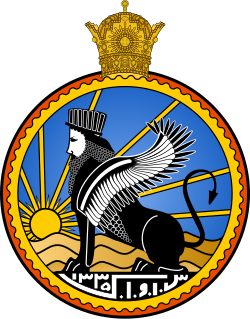
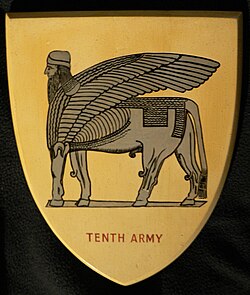
- The British 10th Army used the lamassu as its official insignia during operations in Iraq and Iran (1942–1943).
- The modern Assyrian people utilize the lamassu to honor their ancient ancestry.
- Artist Michael Rakowitz recreated a destroyed Nineveh lamassu for a public installation in London.
- The creature appears in major cinematic works including Aladdin and Alexander.
- Lamassu are featured as distinct creatures in Dungeons & Dragons and Magic: The Gathering.
Military and Political Symbolism
Due to their historical association with protection and power, lamassu have been adopted by various military organizations operating in the Middle East. The British 10th Army, active in Iraq and Iran between 1942 and 1943, chose the lamassu for its insignia.
Similarly, the logo of the United States Forces – Iraq features a bearded man with the body of a winged bull, echoing the classical form of these ancient guardians.

Beyond military use, the lamassu remains a vital cultural touchstone for the modern Assyrian people, who use the image as a representation of Assyrian culture and a way to pay homage to their ancient roots.
Art and Cinema
The visual grandeur of the lamassu has made it a recurring element in historical and fantasy cinema. In the 2004 film Alexander, lamassu are depicted at the Ishtar Gate in Babylon. Disney's 1992 film Aladdin also features a gold lamassu within the desert cave where the protagonist searches for the magic lamp.
In literature, C.S. Lewis included a man with a bull's body among the creatures of Aslan's army in The Lion, the Witch, and the Wardrobe. This character is noted for challenging the White Witch at the Stone Table with a "great bellowing voice."
The Reconstruction of Nineveh's Legacy
Modern art has also been used to address the destruction of cultural heritage. Michael Rakowitz, a professor of Art Theory & Practice at Northwestern University, won a Fourth Plinth commission to recreate a lamassu that originally stood in Nineveh, Iraq. The original sculpture dated back to 700 BC but was destroyed by ISIS in 2015. Rakowitz's recreation was displayed in London's Trafalgar Square from 2018 to 2020.
Lamassu in Gaming and Fantasy
The concept of the lamassu has been adapted into various tabletop and card games, often blending historical traits with fantasy elements.
- Dungeons & Dragons: The game distinguishes between two types of good-aligned creatures: the lammasu, which possess the bodies of winged lions, and the shedu, which are depicted as human-headed winged bulls.
- Magic: The Gathering: The lamassu appears as powerful white cards, specifically the "Hunted Lammasu" in the Ravnica expansion and the "Venerable Lammasu" in the Khans of Tarkir expansion.
| Category | Example | Context/Role |
|---|---|---|
| Military | British 10th Army | Official insignia (1942–1943) |
| Fine Art | Michael Rakowitz | Recreation of Nineveh sculpture in London |
| Cinema | Aladdin (1992) | Gold statue in the cave of wonders |
| Gaming | Dungeons & Dragons | Good-aligned winged lion/bull creatures |
| Culture | Modern Assyrians | Symbol of ancient ancestry |
Frequently Asked Questions
Which military units have used the lamassu as a symbol?
The British 10th Army used the lamassu as its insignia during its operations in Iraq and Iran from 1942 to 1943. Additionally, the United States Forces – Iraq features a bearded man with a winged bull body in its logo.
How is the lamassu represented in Dungeons & Dragons?
In Dungeons & Dragons, lammasu and shedu are distinct good-aligned creatures. Lammasu are depicted with winged lion bodies, while shedu are human-headed winged bulls.
What is the significance of Michael Rakowitz's lamassu sculpture?
Rakowitz recreated a lamassu from Nineveh that had been destroyed by ISIS in 2015. The original dated back to 700 BC; the recreation was displayed in London's Trafalgar Square between 2018 and 2020 to highlight the loss of cultural heritage.
In which Disney movie does a lamassu appear?
A gold lamassu appears in the 1992 Disney film Aladdin during the scene where Aladdin and Abu enter the desert cave to find the lamp.
How do modern Assyrian people view the lamassu?
Modern Assyrians often use the lamassu as a representation of their culture and as a means of paying homage to their ancient ancestry.