Lady Georgiana Fane: The Heiress and Her Pursuit of the Duke of Wellington
Lady Cecily Jane Georgiana Fane was a prominent English heiress whose life was marked by high-society connections, artistic legacies, and a relentless pursuit of one of Britain's most famous military figures. Born into the nobility during the dawn of the 19th century, her story reflects the complex social dynamics and romantic intrigues of the Georgian and Victorian eras.
Early Life and Family Background
Born on January 25, 1801, at Apethorpe Hall in Northamptonshire, Lady Georgiana was the daughter of John Fane, the 10th Earl of Westmorland, and his second wife, Jane Huck-Saunders. Her family life was characterized by instability; her mother had four other children before separating from the Earl after a decade of marriage.
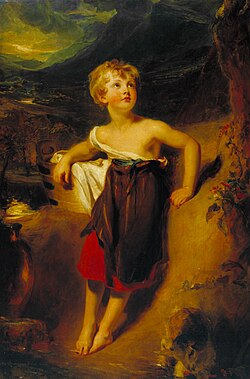
From a young age, Lady Georgiana was the subject of artistic interest. One of the most discussed artifacts from her childhood is a portrait painted by Thomas Lawrence when she was only five or six years old. In this work, she is depicted as a peasant girl, reflecting a contemporary artistic trend where the wealthy were portrayed in fantastic or humble roles, drawing inspiration from mythology, classical literature, or the lives of the working class.
The Pursuit of the Duke of Wellington
Lady Georgiana is most remembered for her lifelong obsession with the Duke of Wellington. The two first met in 1815, shortly after Wellington's decisive victory over Napoleon Bonaparte at the Battle of Waterloo. At the time of their meeting, Georgiana was a 14-year-old girl, while Wellington was 47.
Their relationship evolved over the following years. Evidence from suggestive letters indicates that the two shared a sexual relationship during the 1820s. However, the nature of their bond shifted as the years passed. Following the death of Wellington's wife, Kitty Pakenham, in 1830, Lady Georgiana—along with several other women—intensified her efforts to become his second wife.
Despite her persistence, Wellington rejected her advances. Unable to accept this refusal, Lady Georgiana spent the remainder of her life harassing the Duke, a pursuit that became a noted point of curiosity in their social circles.
Other Social Ties and Later Years
Beyond her fixation on Wellington, Lady Georgiana was entangled in the complex web of British political society. In 1823, she was twice proposed to by Lord Palmerston. Interestingly, Palmerston was simultaneously involved in an affair with Georgiana's married half-sister, Sarah Villiers, the Countess of Jersey. Lady Georgiana rejected both of Palmerston's proposals.
In her later years, her image continued to be captured by artists; in 1846, she was the subject of a sculpture by John Edward Carew. Lady Georgiana eventually passed away on December 4, 1874, at the age of 73, at her residence at 5 Upper Brook Street in Mayfair, London.
Key Facts
- Birth: January 25, 1801, at Apethorpe Hall, Northamptonshire.
- Death: December 4, 1874, in Mayfair, London.
- Parentage: Daughter of John Fane (10th Earl of Westmorland) and Jane Huck-Saunders.
- Notable Connection: Maintained a long-term, obsessive pursuit of the Duke of Wellington.
- Artistic Legacy: Featured in a famous "peasant" portrait by Thomas Lawrence and a sculpture by John Edward Carew.
| Category | Details |
|---|---|
| Full Name | Lady Cecily Jane Georgiana Fane |
| Lifespan | 1801–1874 (73 years) |
| Primary Occupation | Heiress |
| Key Relationship | The Duke of Wellington |
| Notable Rejection | Lord Palmerston (proposed twice in 1823) |
Frequently Asked Questions
Who was Lady Georgiana Fane?
Lady Georgiana Fane was an English heiress and daughter of the 10th Earl of Westmorland, known for her high-society connections and her persistent pursuit of the Duke of Wellington.
What is the significance of her portrait by Thomas Lawrence?
The portrait is a notable example of a 19th-century trend where wealthy individuals were painted in "fantastic" scenes, such as being depicted as peasants or figures from classical mythology.
What was her relationship with the Duke of Wellington?
They met in 1815 when she was 14 and he was 47. While suggestive letters indicate they had a sexual relationship in the 1820s, she spent much of her later life harassing him after he rejected her desire to become his second wife.
Did she ever marry Lord Palmerston?
No. Although Lord Palmerston proposed to her twice in 1823, Lady Georgiana turned him down. At the time, Palmerston was having an affair with her half-sister, Sarah Villiers.
Where did Lady Georgiana Fane die?
She died at the age of 73 at 5 Upper Brook Street in Mayfair, London, on December 4, 1874.