Korean Royal Court Cuisine: The Culinary Heritage of the Joseon Dynasty
Korean royal court cuisine, known as Joseon wangjo gungjung yori, represents the pinnacle of traditional Korean cookery. Developed during the Joseon Dynasty, which ruled Korea from 1392 to 1897, this sophisticated culinary style was once reserved exclusively for the royal family. While it was a private tradition for centuries, the 21st century has seen a significant revival of these ancient recipes and techniques.
This culinary heritage is so significant that the South Korean government has designated it as Important Intangible Cultural Property No. 38. Currently, the tradition is preserved by Han Bok-ryeo, a recognized Living National Treasure.
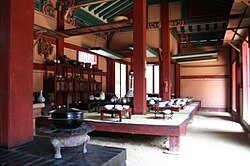
The Daily Rituals of the Palace
In the royal palace, dining was a structured and vital part of daily life. Records indicate that five meals were generally served each day. While three were full-course meals, the afternoon and after-dinner meals were lighter fare.
Morning Vitality: Mieumsang
The first meal of the day, called mieumsang, was served at sunrise on days when the king and queen were not consuming herbal medicines. This meal consisted of juk (rice porridge), which was believed to provide vitality for the day. Varieties included jeonbokjuk (abalone porridge), beoseotjuk (mushroom porridge), and jatjuk (pine nut porridge). These were often accompanied by side dishes like kimchi, oysters, or soy sauce.
The Main Event: Sura
The primary meals, known as sura, were served at 10:00 AM for breakfast and between 6:00 PM and 7:00 PM for dinner. These meals were served in a dedicated room called the surakan. To ensure safety, sura sanggung (palace servant women) would inspect the dishes for poison before removing the covers and offering the food to the king and queen.

The Art of the Surasang Setting
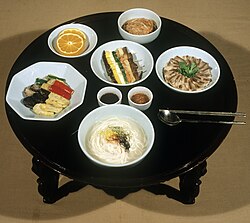
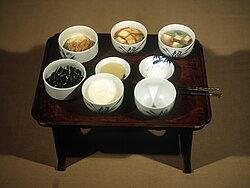
A formal royal meal, or surasang, was a complex arrangement of three tables and a hotpot. The layout was meticulously organized to balance flavors, temperatures, and nutritional needs.
- The Main Table: The largest round table on the left, containing the main rice bowl, soups, stews, and various side dishes.
- The Small Table: Located at the lower right, this held red sura (rice made with azuki bean water), thick meat broth (gomtang), tea, and desserts.
- The Rectangular Table: Positioned in the upper right, containing eggs, sesame oil, raw vegetables, and various sauces.
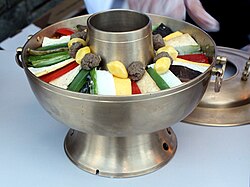
- The Hotpot: A heated vessel, often containing jeongol (a meat and vegetable casserole) like the famous sinseollo.
Key Facts
- Historical Period: Developed during the Joseon Dynasty (1392–1897).
- Meal Structure: A full 12-dish setting (12 cheop) was standard for main meals.
- Cultural Status: Designated as Important Intangible Cultural Property No. 38.
- Daily Frequency: Five meals were typically served daily.
- Signature Rice: Included white sura (plain rice) and red sura (azuki bean rice).
A Diverse Menu of Royal Delicacies
The variety of dishes served at court was immense, ranging from delicate porridges to complex stews and grilled meats.
Rice and Porridge (Juk and Sura)
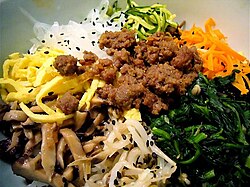
Beyond simple rice, the court enjoyed goldongban—known today as bibimbap—which consisted of boiled rice mixed with steamed vegetables, roasted beef, and a fried egg.
Noodles and Dumplings (Guksu, Mandu, and Tteokguk)
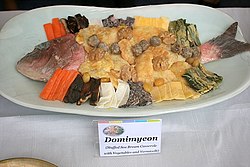
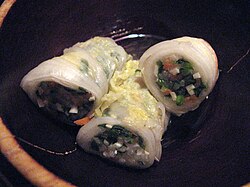
Noodles (guksu) were often made from buckwheat or wheat. Notable dishes included domimyeon, a noodle soup featuring panfish, ginkgo seeds, and walnuts. Dumplings (mandu) were stuffed with various fillings like pheasant, winter melon, or beef and vegetables. Tteokguk, a soup made with sliced rice cakes, was also a staple.
Stews, Steamed Dishes, and Casseroles
The court enjoyed various preparations of meat and seafood. Jjim refers to steamed or boiled dishes, such as ox tail jjim, while seon refers to vegetables or tofu stuffed with meat or chicken. Jeongol and sinseollo are sophisticated hotpot-style stews served with a burner.
Side Dishes and Grilled Specialties
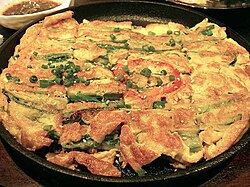
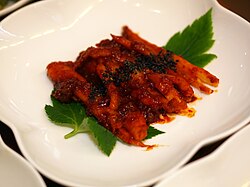
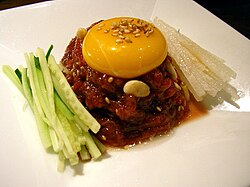
Side dishes (banchan) included namul (seasoned vegetables), saengchae (fresh salads), and jeonyuhwa (pancake-like fried dishes). Grilled dishes, or gui, featured items like deodeok gui (roasted bonnet bellflower root) and neobiani, an ancient form of bulgogi.
Summary of Royal Culinary Categories
| Category | Korean Term | Description |
|---|---|---|
| Porridge | Juk / Mieum | Thick or thin rice-based dishes served for vitality. |
| Noodles | Guksu | Buckwheat or wheat noodles in various stocks. |
| Stew/Hotpot | Jeongol / Sinseollo | Meat and vegetable casseroles served with heat. |
| Steamed | Jjim / Seon | Steamed meats, fish, or stuffed vegetables. |
| Pancakes | Jeonyuhwa | Lightly battered and fried dishes. |
| Dessert | Tteok / Sikhye | Rice cakes and sweet traditional drinks. |
Frequently Asked Questions
What is the difference between Juk and Mieum?
Both are types of rice porridge, but juk has a thicker texture, whereas mieum is thinner and more similar to a Western-style gruel.
What was Goldongban?
In the royal palace, goldongban was the traditional name for what is now widely known as bibimbap, consisting of rice mixed with vegetables, beef, and egg.
How many dishes were served in a royal meal?
A formal royal meal typically included a set of 12 cheop, meaning twelve different side dishes, served alongside rice, soup, and stews.
What are the traditional desserts of the court?
Desserts included tteok (rice cakes) and sweet drinks such as sikhye (sweet rice punch) and sujeonggwa (a ginger and cinnamon drink).
What is Sinseollo?
Sinseollo is a specialized type of jeongol (hotpot) cooked in a unique pot with holes, featuring meat stock, various vegetables, and mushrooms.