Klemens von Metternich: The Architect of the Concert of Europe
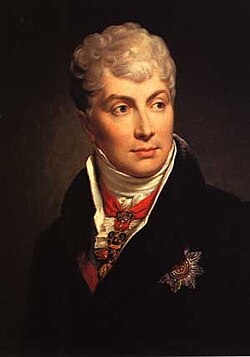
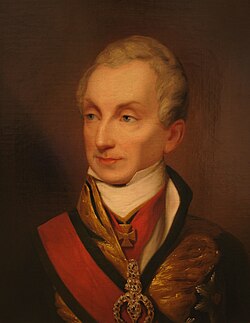
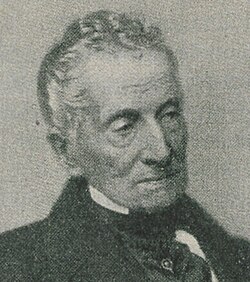
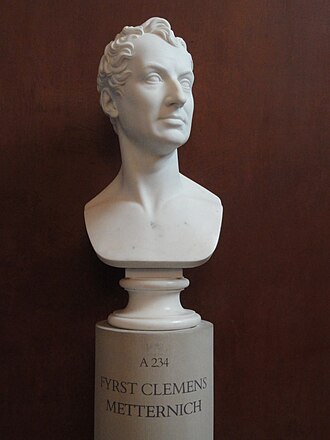
Klemens Wenzel Nepomuk Lothar, Prince of Metternich-Winneburg zu Beilstein, known to history as Klemens von Metternich, was a towering figure of 19th-century diplomacy. As a German statesman serving the Austrian Empire, he spent decades as the primary engineer of the European balance of power. From his tenure as Foreign Minister starting in 1809 to his role as Chancellor until 1848, Metternich sought to maintain stability and suppress the rising tides of liberalism and nationalism that threatened the traditional monarchies of Europe.
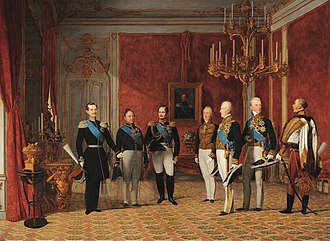
His legacy is inextricably linked to the Concert of Europe, a system of dispute resolution between the great powers designed to prevent large-scale conflict and maintain the status quo following the upheaval of the Napoleonic era.
Key Facts
- Roles: Served as Austrian Ambassador to France (1806–1809), Foreign Minister (1809–1848), and Chancellor (1821–1848).
- Core Philosophy: A staunch conservative who believed in the balance of power and the suppression of revolutionary movements.
- Major Achievement: A central figure in the Congress of Vienna (1815), which redrew the map of Europe after Napoleon's defeat.
- Downfall: Forced to resign in March 1848 due to the liberal Revolutions of 1848.
- Lifespan: 1773–1859; born in Koblenz and died in Vienna.
Early Life and Education
Born on May 15, 1773, in Koblenz, Metternich's early education was shaped by the volatility of the era. He studied law at the University of Mainz between 1790 and 1792, receiving a conservative education. His studies in Strasbourg were interrupted by the French Revolution, which began in 1789 and rendered the city unsafe.
Metternich gained early practical experience working with his father, the plenipotentiary of the Austrian Netherlands. During the War of the First Coalition (1792–1797), he was sent on special missions to the front, where he interrogated French officials and observed the siege of Valenciennes, experiences that provided him with foundational lessons in warfare and diplomacy.
The Rise to Diplomatic Power
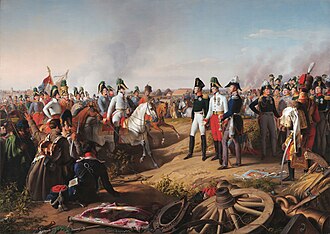
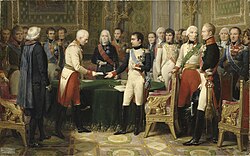
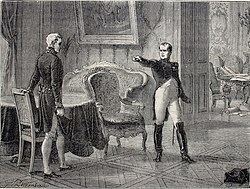
Metternich's ascent began in earnest with his appointment as the Austrian Ambassador to France from 1806 to 1809. During this period, he navigated the complex relationship between the Austrian Empire and the rising power of Napoleon Bonaparte.
Navigating the Napoleonic Era
By 1812, Metternich believed that a weakened Austria must avoid another French invasion. He concluded an alliance with Napoleon on March 14, 1812, while simultaneously providing assurances to Britain and Russia that Austria remained committed to curbing Napoleonic ambitions. He was also influential in arranging the marriage between Napoleon and Archduchess Marie Louise of Austria.
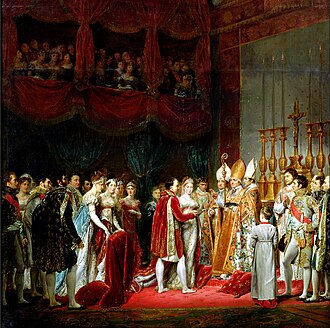
As the tide turned against Napoleon, Metternich shifted Austria's position from an ally to a neutral party, and eventually to a key member of the coalition that defeated the French Emperor.
The Congress of Vienna and the Concert of Europe
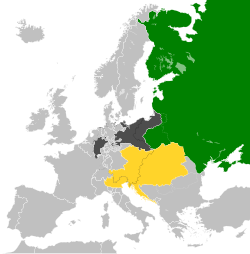
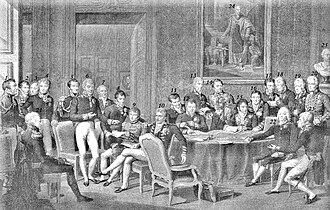
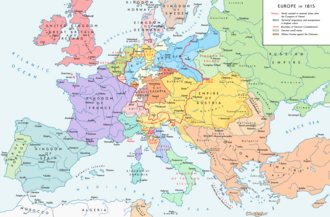
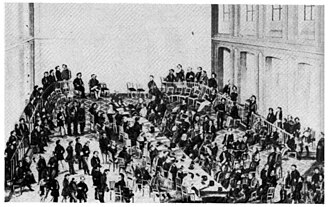
Following Napoleon's defeat, Metternich became the dominant figure at the Congress of Vienna in 1815. His goal was not merely to redraw borders but to establish a long-term peace based on a balance of power among the great nations.
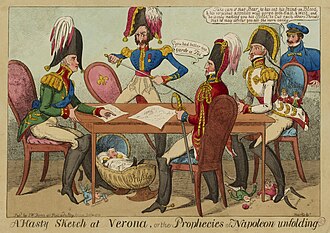
The resulting settlement established new national boundaries and fostered the Holy Alliance, a coalition of monarchies dedicated to preserving the conservative order. This system, known as the Concert of Europe, allowed the great powers to intervene in other states to suppress liberal revolutions and maintain stability.
The Chancellor's Reign and the Fight Against Liberalism
Appointed Chancellor in 1821, Metternich used his power to combat the spread of nationalism and liberalism. He viewed these movements as existential threats to the multi-ethnic Austrian Empire.
The Carlsbad Decrees
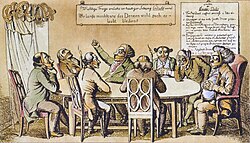
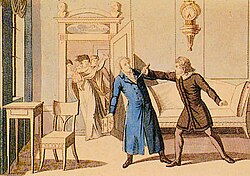
Following the murder of August von Kotzebue in 1819, Metternich seized the opportunity to crack down on political opposition. He implemented the Carlsbad Decrees, which imposed strict censorship on the press and restricted free expression and academic freedom across the German Confederation.
Summary of Metternich's Career
| Period | Role | Primary Focus |
|---|---|---|
| 1806–1809 | Ambassador to France | Managing relations with Napoleon |
| 1809–1848 | Foreign Minister | European balance of power |
| 1815 | Congress of Vienna | Post-Napoleonic territorial settlement |
| 1821–1848 | Chancellor of Austria | Suppression of liberalism and nationalism |
The Revolutions of 1848 and Exile
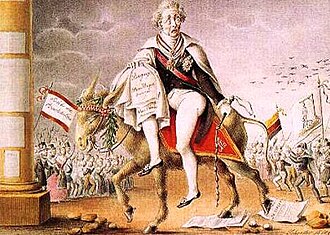
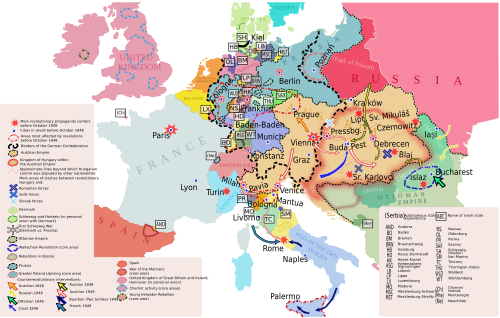
The conservative order Metternich had spent three decades building finally collapsed in 1848. A wave of liberal revolutions swept across Europe, reaching Vienna in March. The public outcry was so great that Metternich was forced to resign and flee the city in disguise.
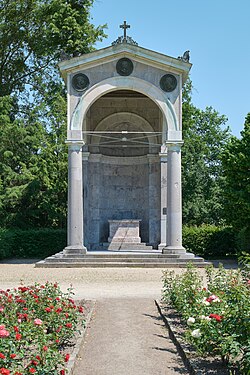
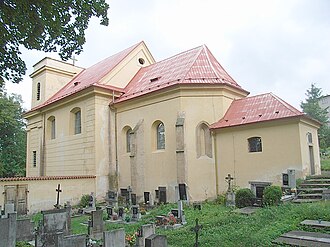
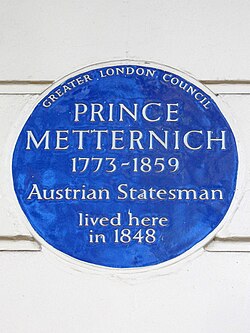
Metternich spent his final years in exile, living in various locations including London, before eventually returning to Austria. He died in Vienna on June 11, 1859, at the age of 86. He was buried in the Cemetery Church of St. Wenceslaus in Plasy.
Frequently Asked Questions
What was the Concert of Europe?
The Concert of Europe was a system of diplomatic cooperation between the great powers of Europe (primarily Austria, Britain, Prussia, Russia, and later France) designed to maintain the balance of power and prevent any single nation from dominating the continent.
What were the Carlsbad Decrees?
The Carlsbad Decrees were a set of restrictive laws implemented by Metternich in 1819 to suppress liberal and nationalist movements in the German Confederation through censorship and surveillance.
Why did Metternich resign in 1848?
Metternich resigned because the Revolutions of 1848, driven by demands for liberal reforms and national independence, made his conservative leadership untenable and led to widespread protests in Vienna.
What was Metternich's role in the Congress of Vienna?
He was the primary architect of the Congress, focusing on creating a stable territorial arrangement in Europe that would prevent future wars and preserve the legitimacy of existing monarchies.
Who was Metternich's first wife?
His first wife was Princess Eleonore von Kaunitz, whom he married in 1795.