Key Fobs: From Decorative Charms to Advanced Access Control
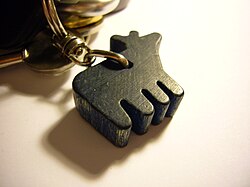
Whether it is a small wooden charm or a sophisticated electronic device, a key fob is a common accessory that serves a variety of purposes. At its simplest, a fob is a decorative or functional item attached to a key ring or chain. These items help users identify their keys by touch, provide a more secure grip, or allow the owner to make a personal style statement.
The Origins and Evolution of the Fob
The history of the key fob is rooted in the concept of security and convenience. While the exact origin of the word "fob" is uncertain, it may be linked to the low German dialect word Fuppe, meaning "pocket." Another theory suggests it comes from the German word foppen, meaning "sneak proof."
Historically, "fob pockets" were designed specifically to deter thieves. To keep valuables secure, a short "fob chain" was used to tether items—most notably pocket watches—to the pocket, ensuring they remained attached to the owner.
Modern Electronic Key Fobs
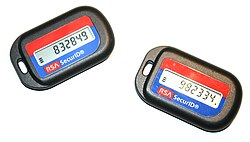
In the modern era, the term key fob has evolved to describe smart keys. These electronic devices function as both a traditional key and a remote control, primarily used for motor vehicles and building security.
Access Control and Security
Access control key fobs are specialized electronic tools used to manage entry into vehicles or buildings. They are the primary component of remote keyless entry systems, allowing users to lock or unlock doors without a physical key insertion.
Technological Advancements
The technology powering these devices has shifted significantly over time:
- Infrared Systems: Early electronic fobs relied on infrared light. These required a clear line-of-sight between the fob and the receiver to function and were susceptible to being copied via programmable remote controls.
- Radio Frequency (RF): Modern fobs utilize radio frequency and challenge-response authentication—a security process where the device and the receiver exchange encrypted data to verify identity. This method eliminates the need for line-of-sight and makes the fobs much harder to duplicate.
Programming these modern remotes varies by manufacturer. Some require a professional diagnostic tool at an automotive dealership, while others can be self-programmed by the owner using a specific sequence of steps within the vehicle, provided at least one working key is already available.
Practical Applications in Business
Beyond automotive use, fobs serve practical roles in retail and service environments. For example, some gasoline stations keep their restrooms locked to maintain cleanliness and security. In these instances, the key is often attached to an oversized fob. This design ensures the key is too bulky to be accidentally pocketed by a customer, prompting its return to the attendant.
Additionally, some high-end electronic fobs integrate with online services. These advanced functionalities may require a paid subscription to remain active.
Key Facts
- Dual Purpose: Fobs can be purely decorative (tactile identification) or electronic (access control).
- Security Evolution: Technology has moved from line-of-sight infrared to encrypted radio frequency.
- Authentication: Modern fobs use challenge-response authentication to prevent unauthorized copying.
- Etymology: The term may derive from the German words for "pocket" (Fuppe) or "sneak proof" (foppen).
| Fob Type | Primary Function | Technology/Material | Key Characteristic |
|---|---|---|---|
| Traditional | Identification & Grip | Wood, Plastic, Metal | Non-electronic |
| Early Electronic | Remote Entry | Infrared | Requires line-of-sight |
| Modern Smart Key | Access Control | Radio Frequency | Challenge-response security |
Frequently Asked Questions
What is the difference between a traditional fob and a smart key?
A traditional fob is a decorative or tactile item attached to a key ring. A smart key is an electronic device that uses radio frequencies to provide remote access to a vehicle or building.
Why are some business keys attached to very large fobs?
Large fobs are used to prevent customers from accidentally or intentionally walking away with the key, as the size makes it obvious and difficult to hide in a pocket.
Can modern electronic key fobs be easily copied?
Unlike early infrared fobs, modern versions use challenge-response authentication over radio frequencies, making them significantly more difficult to duplicate.
How are electronic car fobs programmed?
Depending on the vehicle, they can be programmed by a dealership using a diagnostic tool or by the owner through a specific sequence of steps in the car, usually requiring an existing working key.
Do all electronic fobs require a subscription?
No. Most standard access fobs do not, but those that offer additional functionalities connected to online services may require a subscription payment.