Kawésqar People: The Nomadic Sea-Farers of Chilean Patagonia
The Kawésqar (also known as the Alacaluf, Alacalufe, or Halakwulup) are an Indigenous people native to the rugged landscapes of Chilean Patagonia. Historically inhabiting the Brunswick Peninsula and the islands of Wellington, Santa Inés, and Desolación—located northwest of the Strait of Magellan and south of the Gulf of Penas—they are defined by a profound and enduring connection to the sea.
Their name, Kawésqar, translates simply to “person” or “human being.” For centuries, they thrived in one of the world's most challenging environments, developing a unique maritime culture that distinguished them from land-based societies.
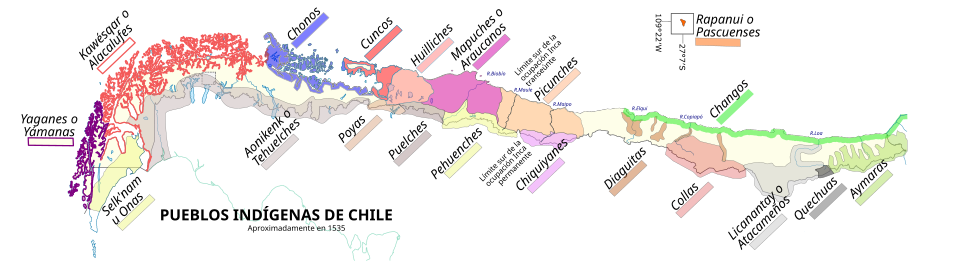
Key Facts
- Current Population: Approximately 2,163 people (2,153 in Chile and 10 in Argentina as of 2022/2024).
- Traditional Lifestyle: Nomadic seafaring "canoe-people" who did not practice farming.
- Primary Locations: Puerto Edén, Puerto Natales, and Punta Arenas.
- Language Status: The Kawésqar language is currently endangered.
- Legal Status: Recognized under Chile's Indigenous Law 19,253 of 1993, organized into 14 communities.
The Nomadic Maritime Economy
Unlike many other Indigenous groups, the Kawésqar never farmed the land. Instead, they were nomadic seafaring people, often referred to by anthropologists as "canoe-people." Their entire existence revolved around the water, utilizing specialized canoes measuring eight to nine meters in length and one meter in width.
These vessels were designed to carry an entire family and their dog, serving as both transport and home as they navigated the fjords and channels for fishing and gathering. This maritime practice remained the cornerstone of their society until the twentieth century, when external pressures forced a transition toward permanent land-based settlements.
Population History and Decline
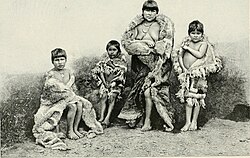
The historical population of the Kawésqar is estimated to have been under 5,000, with a 2022 estimate suggesting a population of 3,700 to 3,900 before the collapse of the 19th and early 20th centuries. This decline was driven by several devastating factors:
- Colonial Impact: Massacres and the introduction of European infectious diseases caused high fatality rates.
- Environmental Shifts: The Little Ice Age (17th to 19th centuries) may have negatively impacted their resources and survival.
- Settlement: The arrival of European settlers in the late 1880s disrupted their traditional environment.
In the 1930s, many survivors were relocated to Villa Puerto Edén on Wellington Island to protect them from the pressures of the majority culture. Over time, many migrated further south to the cities of Puerto Natales and Punta Arenas.
Language, Culture, and Identity
The term "Alacaluf" was originally an exonym—a name given by others. It comes from the Yahgan (Yámana) language, meaning "mussel eater." The people's own autonym, or self-name, is Kawésqar.
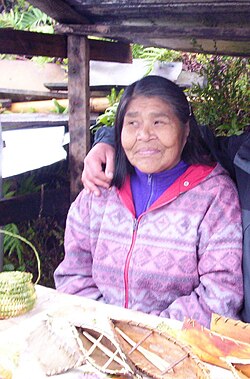
The Kawésqar language is now critically endangered. While it is included in local school curriculums to preserve the heritage, very few native speakers remain. Early efforts to document the language include a 1,200-word vocabulary compiled in 1884 by Anglican missionary Thomas Bridges and his son Despard.
Historically, the group comprised various tribes, including the Adwipliin, Aksánas, Cálen, Enoo, Lecheyel, Taíjataf, and Yequinahuere. There is also evidence suggesting that the Caucahue people, mentioned in colonial records, may have been ancient Kawésqar or merged with them over time.
A Dark Chapter: Human Zoos
The Kawésqar suffered significant trauma during the era of European anthropological curiosity. In 1881, eleven individuals were taken from Patagonia to be exhibited in "human zoos" at the Berlin Zoological Garden and the Bois de Boulogne in Paris. Only four of these individuals survived to return to Chile.
In 2010, the remains of five victims were repatriated from the University of Zurich in Switzerland. Upon their return, Chilean President Michelle Bachelet issued a formal apology for the state's role in allowing these people to be exhibited and treated as animals.
Kawésqar Demographic Summary
| Category | Details |
|---|---|
| Total Population (Recent) | 2,163 |
| Chile Population (2024) | 2,153 |
| Argentina Population (2022) | 10 |
| Census Identification (2017) | 3,448 (Chile) |
| Pre-Collapse Estimate | 3,700 – 3,900 |
| Organization | 14 Indigenous Communities |
Frequently Asked Questions
What does the name Kawésqar mean?
The word Kawésqar is the people's autonym and translates to "person" or "human being."
Why were they called Alacaluf?
Alacaluf was a name used by the Yahgan people, meaning "mussel eater," which was subsequently adopted by European explorers.
Did the Kawésqar practice agriculture?
No, the Kawésqar were nomadic seafaring people who relied on fishing and gathering; they never farmed the land.
Where do most Kawésqar live today?
Most currently reside in the village of Puerto Edén, as well as the cities of Puerto Natales and Punta Arenas in Chile.
What is the current status of the Kawésqar language?
The language is endangered, with very few native speakers remaining, although it is taught in local school curriculums to aid preservation.