Jus Sanguinis: The Legal Principle of Citizenship by Blood
In the complex world of international law, the question of who belongs to a nation is often answered by two competing principles. One of the most influential is jus sanguinis, a Latin term meaning "right of blood." This legal principle determines a person's nationality based on the nationality of their parents, rather than the location of their birth.
Under jus sanguinis, a child may acquire the nationality of a state if one or both parents are nationals of that state. This principle extends beyond simple legal paperwork; it often encompasses ethnic, cultural, or ancestral origins. In some instances, it even applies to children of a diaspora—individuals whose parents may not have been citizens of the state but belong to its ancestral community.
This approach stands in direct contrast to jus soli ("right of soil"), where citizenship is granted solely based on the place of birth. While the 19th and 20th centuries saw states adhering strictly to one or the other, most modern nations now employ a mixed system, blending both principles to manage their populations and legal obligations.
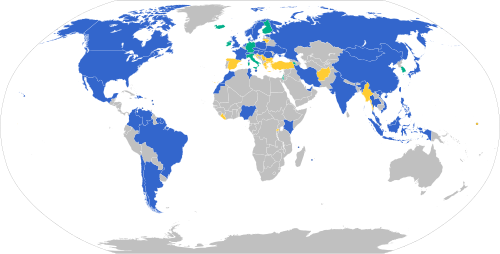
Key Facts
- Definition: Jus sanguinis is the acquisition of nationality through parental descent.
- Contrast: It differs from jus soli, which grants citizenship based on birth territory.
- Modern Application: Most 21st-century states use a combination of both blood and soil principles.
- Gender Equality: While historically tied to the father, most countries now allow citizenship to be passed equally through the mother.
- Statelessness Prevention: Many mixed-system states use limited jus soli to ensure children born in their territory do not become stateless.
How Jus Sanguinis Works in Practice
The application of the "right of blood" varies significantly across different jurisdictions. Some countries apply the rule regardless of where the child is born, while others restrict it to children born within the state's borders. In cases where a father is unknown or stateless, many nations provide that the child automatically acquires the mother's nationality.
Mixed Standards and Statelessness
To prevent statelessness—a condition where no country recognizes a person as a national—many states that primarily use jus sanguinis will offer limited jus soli. This is often a legal obligation for countries that are party to the Convention on the Reduction of Statelessness. By granting citizenship to children born on their soil who cannot claim nationality elsewhere, states ensure basic legal protections for all individuals.
Territorial Transfers
When sovereignty over a territory shifts from one state to another, jus sanguinis often plays a role in the "right of option." Individuals may be allowed to choose their nationality based on their bloodline, often contingent upon emigrating from the ceded territory.
Global Variations and Legal Frameworks
Different regions have adopted unique interpretations of jus sanguinis, ranging from automatic grants to strict registration requirements.
| Region | Notable States | Key Legal Characteristic |
|---|---|---|
| North America | Canada, USA, Mexico | Mixed systems; Canada introduced a "substantial connection" test for later generations born abroad (2025). |
| Europe | Germany, Italy, Poland | Strong emphasis on ethnic origin; Italy historically had unlimited generations but introduced limits in 2025. |
| Asia | Japan, South Korea, Malaysia | Varying registration timelines; Malaysia recently updated laws for overseas-born children (2024). |
| South America | Argentina, Brazil, Chile | Broad application of nationality laws based on descent. |
Specific National Case Studies
- Germany: German law allows for the preservation of citizenship across generations born abroad, provided the birth is registered with a diplomatic mission within one year. Additionally, Article 116(1) of the Basic Law provides rights to refugees or expellees of German ethnic origin.
- Italy: Historically, Italy allowed unlimited jus sanguinis claims stemming from ancestors alive after March 17, 1861. However, Decree No. 36 (converted to Law No. 74) ended unlimited claims on March 28, 2025.
- Poland: In a significant legal correction, the Supreme Administrative Court ruled in 2005 that Jews who emigrated to Israel in 1967–1968 did not legally lose their Polish citizenship, allowing them to certify it upon request.
- Malaysia: The Constitution (Amendment) Bill 2024 allows overseas-born children to obtain citizenship automatically if one parent is Malaysian, provided they are registered within one year.
Frequently Asked Questions
What is the main difference between jus sanguinis and jus soli?
Jus sanguinis is citizenship based on the bloodline or nationality of the parents, whereas jus soli is citizenship based on the physical location (the soil) where a person is born.
Can a person have dual citizenship through these laws?
Yes. Dual citizenship often occurs when a person is born in a country that practices jus soli (granting them citizenship by birth) while having parents from a country that practices jus sanguinis (granting them citizenship by descent).
Does jus sanguinis always apply to both parents?
While most modern states grant citizenship equally through both parents, historically many laws only recognized the father's line. Some countries, like Italy before 1948, had restrictions on women passing on citizenship, though these have often been challenged in court.
What happens if a child is born to parents who cannot pass on nationality?
To avoid statelessness, many countries that primarily use jus sanguinis will apply a limited form of jus soli, granting citizenship to children born in their territory who would otherwise have no nationality.
Are there limits to how many generations can claim citizenship by blood?
It varies by country. Some nations have "first-generation limits" or require a "substantial connection" (such as physical residency), while others, like Italy historically, allowed claims across unlimited generations until recent law changes in 2025.