John James Audubon: The Artist Who Defined North American Ornithology
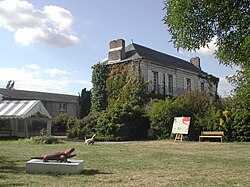
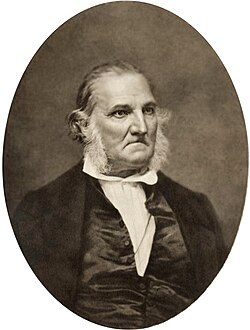
John James Audubon was a visionary French-American artist, naturalist, and ornithologist whose life's work transformed the way the world viewed the wildlife of North America. Born Jean-Jacques Rabin in Saint-Domingue (modern-day Haiti) on April 26, 1785, Audubon blended a passion for painting with a rigorous scientific curiosity. His ultimate ambition was to create a comprehensive pictorial record of every bird species on the North American continent, a goal that required decades of exploration, immense financial risk, and an unwavering eye for detail.
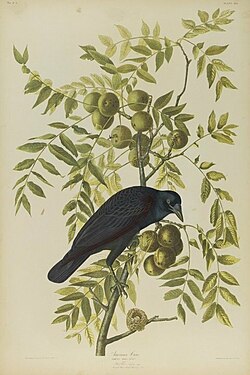
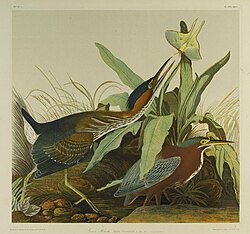
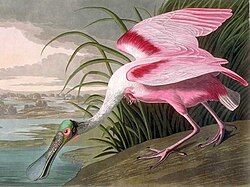
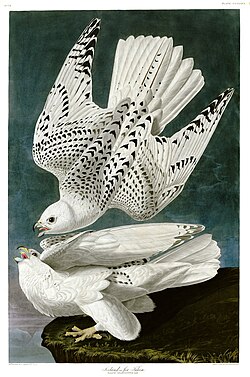
Audubon's approach was revolutionary for his time. Rather than sketching stuffed specimens, he sought to depict birds in their natural habitats, capturing their movement and personality through a style that was both scientifically detailed and romantically expressive.
Key Facts
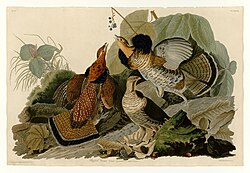
- Masterwork: Authored The Birds of America (1827–1838), a massive double-elephant folio collection.
- Scientific Contribution: Published Ornithological Biography (1831–1839) to provide textual context to his illustrations.
- Artistic Method: Used intaglio engraving and hand-coloring to produce life-sized bird portraits.
- Later Work: Collaborated with Rev. John Bachman on The Viviparous Quadrupeds of North America.
- Legacy: His name is immortalized in numerous parks, schools, and the National Audubon Society.
Early Life and Immigration
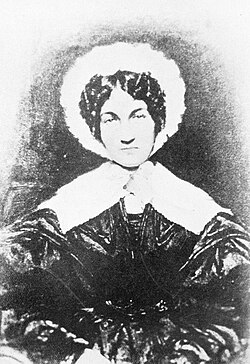
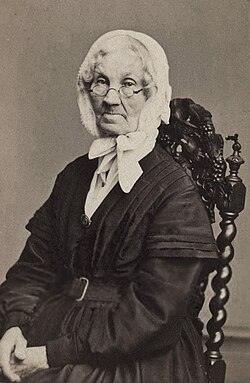
After spending his early years in France, Audubon immigrated to the United States, eventually settling in Kentucky in 1808. This move placed him in a rapidly developing frontier, providing the perfect environment for his budding interest in natural history. In 1809, he married Lucy Bakewell, whose support became a cornerstone of his career. Together, they explored the wilderness, and although they faced tenuous finances, they raised two sons, Victor Gifford and John Woodhouse, both of whom would later assist in the publication of their father's work.
The Creation of The Birds of America
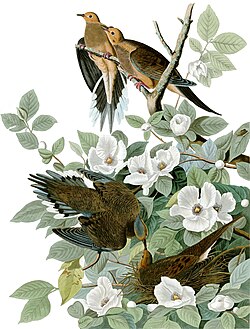
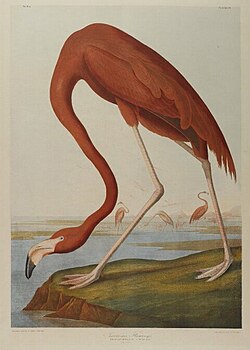
Audubon's most significant achievement, The Birds of America, was a monumental undertaking. To achieve his vision of life-sized accuracy, he utilized the double-elephant folio format—one of the largest book sizes ever produced. The work consisted of color-plate intaglio prints, which were engraved in Scotland and England.
In 1826, at the age of 41, Audubon traveled from New Orleans to Liverpool aboard the ship Delos, carrying a portfolio of over 300 drawings. His arrival in England was met with immediate enthusiasm from the scientific community and the aristocracy, allowing him to secure the funding and prestige necessary to publish his findings.
Notable Illustrations
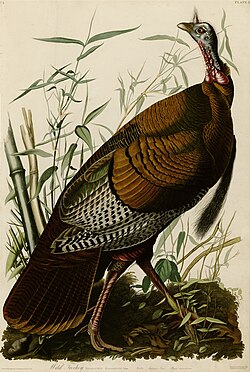
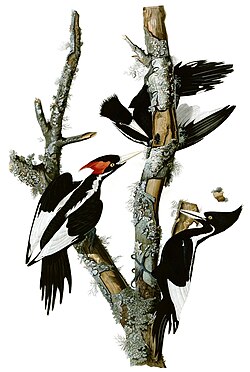
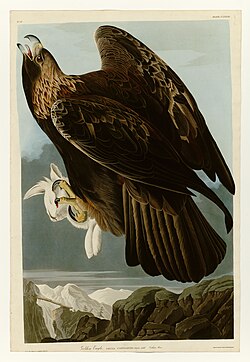
His portfolio included a vast array of species, from the common to the rare. His work captured the majesty of the golden eagle and the delicate nature of the green heron. He also documented species that would later become extinct, such as the ivory-billed woodpecker, providing a permanent record of lost biodiversity.
Later Career and Mammalogy
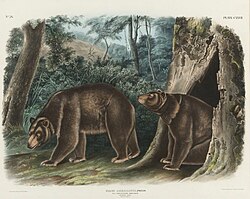
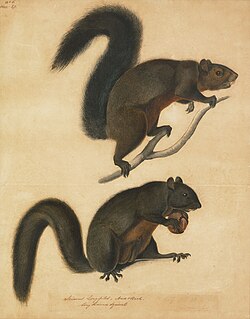
In his final years, Audubon shifted his focus from avian studies to mammals. Between 1845 and 1849, he prepared The Viviparous Quadrupeds of North America. This project was a collaboration with Rev. John Bachman, who provided the scientific text, and his son, John Woodhouse Audubon, who drew most of the plates. The second volume of this work was published posthumously in 1851.
Legacy and Cultural Impact
Audubon passed away on January 27, 1851, in New York City at the age of 65. His influence persists today through the countless landmarks and institutions that bear his name, from the Audubon Park and Zoo in New Orleans to various national wildlife refuges and schools across the United States and France.
| Work Title | Publication Period | Primary Focus | Format/Detail |
|---|---|---|---|
| The Birds of America | 1827–1838 | North American Bird Species | Double-elephant folio, intaglio prints |
| Ornithological Biography | 1831–1839 | Avian Natural History | Five volumes of accompanying text |
| The Viviparous Quadrupeds of North America | 1845–1851 | North American Mammals | Collaborative work with Rev. John Bachman |
Frequently Asked Questions
What was the "double-elephant folio"?
The double-elephant folio refers to the exceptionally large paper size used for The Birds of America. This allowed Audubon to depict birds in their actual life size, ensuring the highest possible accuracy for the viewer.
Who was Lucy Bakewell?
Lucy Bakewell was Audubon's wife, whom he married in 1808. She was a vital partner in his life and work, sharing his interest in the natural world and providing the emotional and practical support necessary for his extensive travels and publications.
Did Audubon only paint birds?
While most famous for his ornithology, Audubon also studied mammals. His final major project, The Viviparous Quadrupeds of North America, focused on the mammals of the continent.
Where was John James Audubon born?
He was born as Jean-Jacques Rabin in Les Cayes, Saint-Domingue, which is now known as Haiti.
How did Audubon's work differ from other naturalists of his time?
Unlike many contemporaries who drew from preserved or stuffed specimens, Audubon emphasized depicting animals in active, natural poses within their own environments, blending scientific observation with artistic romanticism.