Jesuit Missions of Chiquitos: Bolivia's Sacred Architectural Legacy
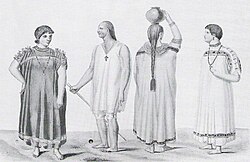
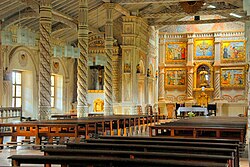
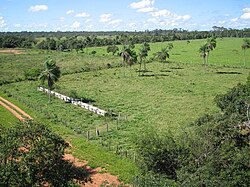
Deep within the Santa Cruz Department of Bolivia lies the Chiquitania, a region home to a remarkable collection of colonial settlements known as the Jesuit Missions of Chiquitos. These sites represent a unique fusion of European Baroque influence and indigenous craftsmanship, serving as enduring monuments to the spiritual and social experiments of the Society of Jesus in South America.
Recognized as a UNESCO World Heritage Site in 1990, these missions are not merely ruins but living communities. Unlike many other colonial sites, several of these churches remain central to the social and cultural life of the local population, continuing a tradition of music and faith that dates back over three centuries.
Key Facts
- UNESCO Status: Inscribed as a World Heritage Site in 1990.
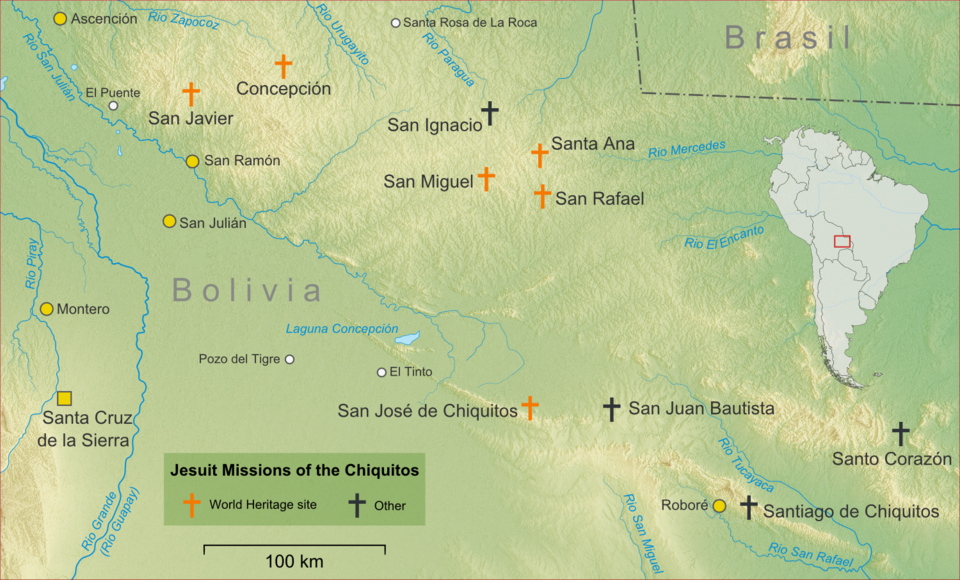
- Core Sites: Six primary missions: San Francisco Javier, Concepción, Santa Ana, San Miguel, San Rafael, and San José.
- Key Architect: Fr. Martin Schmid, a Swiss Jesuit, designed several of the most prominent churches.
- Restoration: Extensive modern preservation led by architect Hans Roth starting in 1972.
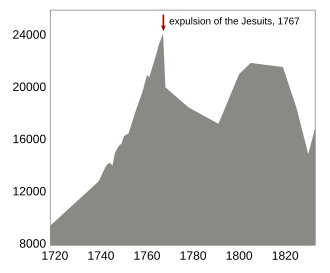
- Population: At the time of Jesuit expulsion, the missions served at least 24,000 Christianized indigenous people.
The History of the Chiquitos Reductions
Early Arrival and Expansion
The Jesuit presence in the region began in 1587 when Fr. Diego Samaniego and Fr. Diego Martínez arrived in Santa Cruz de la Sierra. However, it wasn't until the 17th century that the Jesuits expanded into the valleys northeast of the cordillera. Their activities were primarily split between two areas: Moxos (in the Beni department) and the Chiquitania.
The Founding of the Missions
The first reduction—a settlement designed to concentrate indigenous populations for religious and social organization—was San Francisco Xavier, founded in 1691 by Fr. José de Arce. This mission was established after Arce and Br. Antonio de Rivas were delayed by the rainy season and requested by the local Piñoca tribe, who were suffering from a plague, to remain in their village.
Following this success, the Jesuits founded missions in three distinct waves: the 1690s, the 1720s, and after 1748. While some missions, such as San Juan Bautista and San Ignacio de Zamucos, have since vanished or been reduced to ruins, others flourished. By 1718, San Rafael had become the largest mission with 2,615 inhabitants, eventually leading to the creation of San Miguel de Velasco in 1721 to accommodate the growing population.
Expulsion and Transition
The Jesuit era ended with their expulsion from Spanish territories. At that time, 25 Jesuits managed a vast network including 25 estancias (ranches) with over 31,000 cattle and 850 horses, and libraries containing more than 2,000 volumes. Following the expulsion, spiritual and secular administration were strictly separated, and the indigenous populations took over the maintenance of the towns.
The Six World Heritage Missions
San Xavier
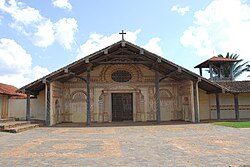
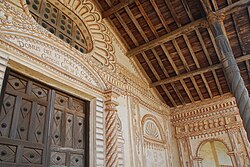
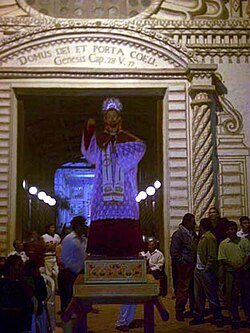
Founded in 1691 and inhabited by the Piñoca tribe, San Xavier was relocated several times before settling in its current spot in 1708. Its church, built between 1749 and 1752 by Fr. Martin Schmid, remains a centerpiece of the village.
San Rafael de Velasco
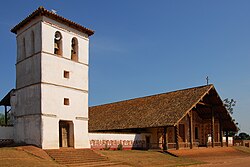
Established in 1695, this mission faced numerous hardships, including epidemics and fire, necessitating several moves. The surviving church was constructed by Fr. Martin Schmid between 1747 and 1749.
San José de Chiquitos
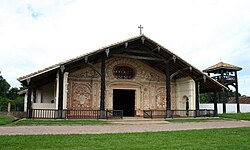
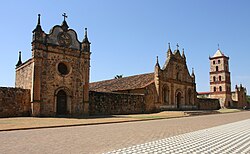
Founded in 1698 and originally inhabited by the Penoca tribe, San José is unique because its church is built of stone, whereas most others used adobe and wood. It is one of only four missions that remain in their original location.
Concepción
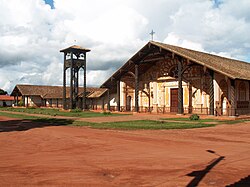
Founded in 1699 and inhabited by the Chiquitanos (the region's largest tribe), the mission church was built between 1752 and 1756 through the collaboration of Fr. Martin Schmid and Fr. Johann Messner.
San Miguel de Velasco
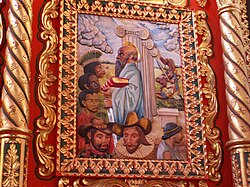
An offshoot of San Rafael, San Miguel was established in 1721. Its church, built between 1752 and 1759, is attributed to Fr. Johann Messner, a student or collaborator of Schmid.
Santa Ana de Velasco
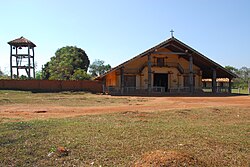
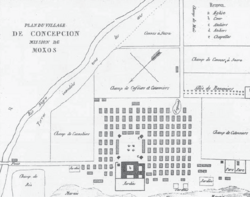
The final inscribed mission, founded in 1755 by Fr. Julian Knogler. Its church was built by the indigenous population between 1770 and 1780, after the Jesuits had been expelled. It is considered the most authentic representation of the original Jesuit reduction plan.
Architecture and Urban Planning
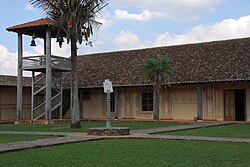
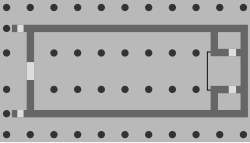
The missions followed a standardized layout designed for communal living and religious instruction. This typically included a central plaza, residential houses with open galleries, and a dominant church complex.

The Restoration Project
Beginning in 1972, architect Hans Roth led a meticulous restoration effort to save these structures from decay. His work went beyond the churches, involving the construction of over a hundred new buildings, including schools and museums, to revitalize the communities.
Cultural Life and Music
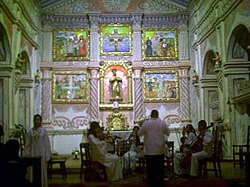
Music was a cornerstone of the Chiquitos missions. The Jesuits, including Fr. Martin Schmid, were composers who integrated European musical traditions with local culture. This legacy persists today through frequent concerts and the active participation of local choirs.
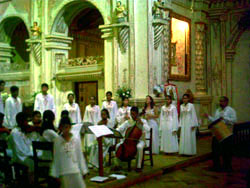
Growth of Musical Tourism
| Year | Concerts | Musicians | Audience | Countries Represented |
|---|---|---|---|---|
| 1996 | 32 | 355 | 12,000 | 8 |
| 2000 | 77 | 400 | 40,500 | 21 |
| 2004 | 143 | 980 | 71,000 | 19 |
| 2008 | 165 | 600 | 75,000 | 14 |
| 2012 | 118 | 800 | 55,000 | 19 |
Frequently Asked Questions
Why are some missions not part of the UNESCO World Heritage Site?
Some missions, such as San Ignacio de Velasco and Santiago de Chiquitos, were excluded because their churches are 20th-century reconstructions rather than original colonial structures or meticulously restored originals.
Who was Fr. Martin Schmid?
Fr. Martin Schmid was a Swiss Jesuit priest and architect who designed and built several of the most significant churches in the Chiquitos region, including those in San Xavier, San Rafael, and Concepción.
What is a "reduction" in the context of these missions?
A reduction was a settlement established by the Jesuits to gather indigenous people into organized communities, where they could be converted to Christianity and taught European agricultural and artistic skills.
What makes Santa Ana de Velasco unique among the missions?
Santa Ana de Velasco is considered the most authentic of the six World Heritage missions because its church was built entirely by the indigenous population after the Jesuits were expelled, maintaining high fidelity to the original reduction plan.
How did the missions survive after the Jesuits were expelled?
The missions survived through the efforts of the indigenous populations who continued to maintain the buildings and traditions. In the late 20th century, the restoration work of Hans Roth further ensured their physical survival.