Jazz Fusion: The Evolution of a Genre-Bending Musical Tradition
Jazz fusion, often referred to as jazz rock or fusion, is less a codified musical style and more of a musical tradition. Emerging in the United States during the late 1960s, it represents a bold intersection of jazz's improvisational depth with the power of rock, the groove of funk, and the experimental nature of psychedelia. By blending these diverse elements, fusion expanded the sonic possibilities of modern music, evolving from avant-garde experimentation into various commercial and technical subgenres.
Key Facts
- Origins: Emerged in the late 1960s in the United States.
- Core Influence: Blends jazz, rock, funk, and psychedelic music.
- Pioneer: Miles Davis is credited as a central figure, particularly with the album In a Silent Way.
- Key Instruments: Heavy use of electric guitars, electric pianos, synthesizers, and bass guitars.
- Evolution: Diversified into smooth jazz, jazz-funk, and jazz metal over several decades.
The Birth of a New Sound
By 1967, the musical landscape in America was shifting. Rock had become the dominant force, leading some critics to suggest that traditional jazz was fading. While the worlds of jazz and rock were largely separate, early exceptions existed, such as the Daevid Allen Trio (which became Soft Machine) in 1963 and Frank Zappa's 1966 debut Freak Out! released on the jazz label Verve.
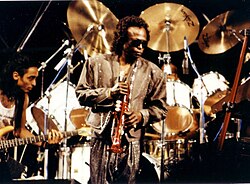
The true catalyst for the movement was Miles Davis. Influenced by the sounds of Jimi Hendrix, James Brown, and Sly and the Family Stone, Davis began integrating electric instruments into his ensemble. His 1969 album In a Silent Way is widely regarded as the first true fusion album, featuring a lineup of pioneers including Chick Corea, Herbie Hancock, Tony Williams, Wayne Shorter, Joe Zawinul, and John McLaughlin.
Davis pushed the boundaries further with Bitches Brew (1969), where he replaced the traditional swing beat with rock and roll backbeats and bass grooves. He treated his trumpet like an electric guitar, utilizing electronic effects and pedals. This experimental approach was a commercial success, selling 400,000 copies in its first year—four times the average for his previous records.
Virtuosity and Experimentation
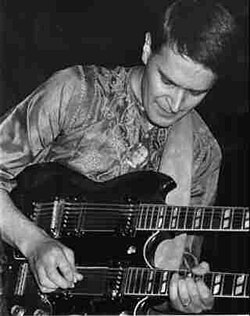
Following the groundwork laid by Davis, other musicians began exploring the fusion of genres. John McLaughlin, influenced by Jimi Hendrix and his experiences with rock musicians like Eric Clapton and Mick Jagger, formed the Mahavishnu Orchestra. This group blended rock and roll, electronic instruments, and solo virtuosity with an interest in the exotic, specifically Indian classical music.
The Mahavishnu Orchestra's 1971 album The Inner Mounting Flame showcased the use of the Minimoog synthesizer. Keyboardist Jan Hammer used distortion and the pitch bend wheel to make the synthesizer mimic the sound of an electric guitar. Later, the group incorporated the electric violin through musicians like Jean-Luc Ponty, who eventually achieved significant solo success on the Billboard jazz charts.
The Divergence of Jazz Rock and Jazz Pop
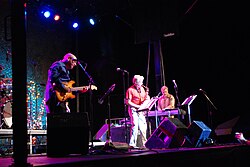
As the movement grew, it split into different stylistic directions. Jazz rock bands like Chicago, Blood, Sweat & Tears, and Santana blended electric instruments with jazz and rock. While Miles Davis focused on tonal color and melody, Frank Zappa's contributions, such as the 1969 album Hot Rats, were characterized by complexity and unpredictability.
By the late 1970s and early 1980s, a more commercial branch emerged: smooth jazz. This style utilized a softer sound palette designed for radio play, blending jazz with easy-listening pop and lightweight R&B. While commercially successful, some critics viewed this as a dilution of the original experimental spirit of fusion.
Comparative Overview of Fusion Styles
| Genre | Primary Influences | Key Characteristics |
|---|---|---|
| Jazz Rock | Jazz, Rock | Electric instruments, complex arrangements, rock backbeats. |
| Smooth Jazz | Jazz, Pop, R&B | Soft sound palette, radio-friendly, commercial appeal. |
| Jazz-Funk | Jazz, Funk, R&B | Strong groove, heavy arrangement, club-circuit appeal. |
| Jazz Metal | Jazz Fusion, Heavy Metal | Technical solos, odd-metered drumming, high distortion. |
Technical Evolution and Influence on Metal
The legacy of jazz fusion extends deep into the world of heavy metal. By the late 1980s, the technically demanding guitar and bass solos, along with syncopated drumming in odd meters, became staples of progressive metal. Bands like Watchtower and Atheist began experimenting with Latin rhythms and changing time signatures.
Other notable influences include Meshuggah, who fused death metal with jazz fusion elements in 1995, and Cynic, who created an unorthodox hybrid on their 1993 album Focus. Modern acts like The Mars Volta continue to use the unexpected instrumental turns and complex drum patterns characteristic of the fusion tradition.
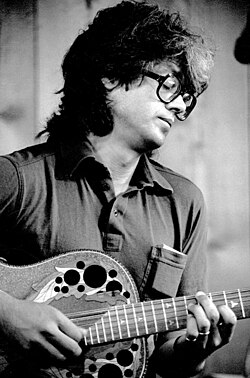
Further developments in the genre include the M-Base collective and the work of Steve Coleman, whose recombinant ideas about rhythm and form have profoundly affected American jazz.

Frequently Asked Questions
What is the difference between jazz fusion and jazz rock?
While often used interchangeably, jazz rock typically refers to the blend of jazz and rock instruments and structures, whereas jazz fusion is viewed as a broader musical tradition that can incorporate funk, psychedelia, and other experimental genres.
Who is considered the father of jazz fusion?
Miles Davis is widely regarded as the primary pioneer of the genre, specifically through his transition to electric instruments and the release of the landmark albums In a Silent Way and Bitches Brew.
How did smooth jazz evolve from fusion?
Smooth jazz emerged in the late 1970s as a commercial evolution of fusion, stripping away the complex improvisation and experimental edges in favor of a softer, more accessible sound suitable for pop radio.
What is jazz metal?
Jazz metal is a hybrid genre that combines the technical proficiency and harmonic complexity of jazz fusion and jazz rock with the aggression and distortion of heavy metal, death metal, or black metal.
Which instruments are most common in jazz fusion?
Common instruments include the electric guitar, electric piano, synthesizers (such as the Minimoog), bass guitar, drums, saxophone, and trumpet.