Jawaharlal Nehru: The Architect of Modern India
Jawaharlal Nehru was a pivotal figure in the 20th century, serving as the first Prime Minister of independent India from 1947 until his death in 1964. A visionary leader and a sophisticated intellectual, Nehru transitioned from a privileged legal background to become a champion of the Indian independence movement and the primary designer of the newly formed Indian Republic.
His leadership was defined by a commitment to republicanism—the idea that a state should be a public matter, not the private concern of a ruler—and a drive to modernize India through science, industry, and a balanced foreign policy.
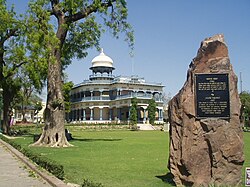
Key Facts
- Tenure: Served as Prime Minister from August 15, 1947, to May 27, 1964.
- Education: Studied at Harrow School, Trinity College (Cambridge), and the Inner Temple.
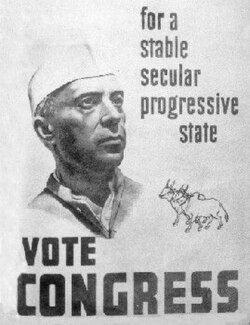
- Political Role: Leading member of the Indian National Congress and close associate of Mahatma Gandhi.
- Global Impact: A founding father of the Non-Aligned Movement.
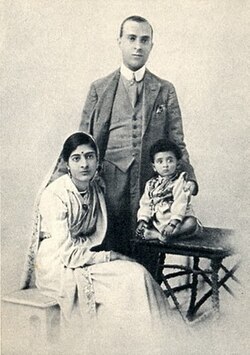
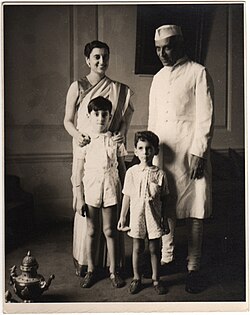
- Family: Son of Motilal Nehru and father of Indira Gandhi.
Early Life and Legal Career
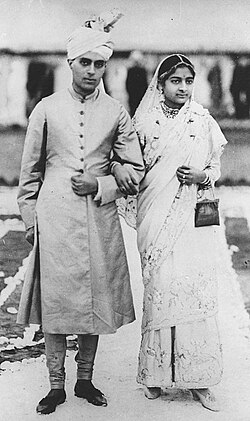
Born on November 14, 1889, in Allahabad, Nehru was raised in an affluent family. His father, Motilal Nehru, was a prominent lawyer, providing Jawaharlal with access to the best education available. He traveled to England for his schooling, attending Harrow School before pursuing higher education at Trinity College, Cambridge, and eventually qualifying as a Barrister-at-Law at the Inner Temple.
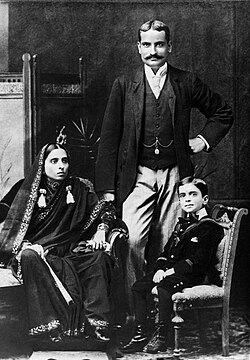
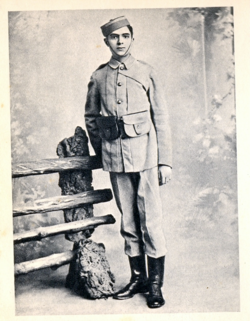
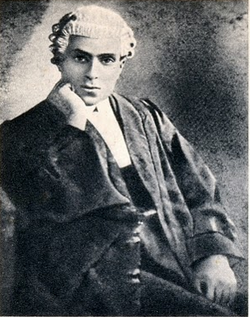
Upon returning to India, Nehru began practicing law, but his professional trajectory was soon diverted by the rising tide of Indian nationalism. His early years were marked by a transition from the comforts of his upbringing to the hardships of political activism.
The Struggle for Independence
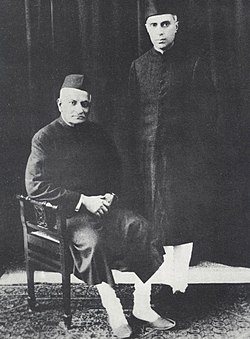
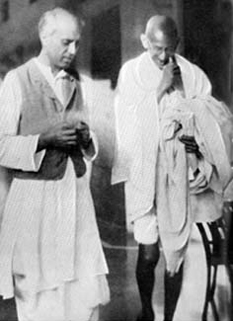
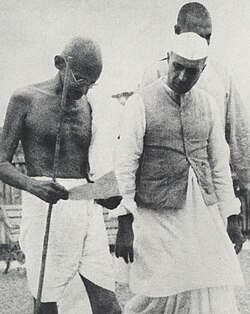
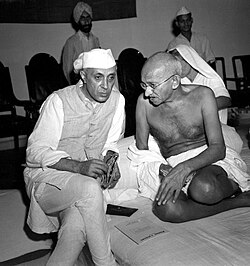
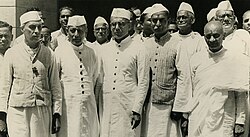
Nehru's entry into the nationalist movement saw him align with the Indian National Congress. He became a devoted follower of Mahatma Gandhi, adopting the principles of non-violence and civil disobedience. Throughout the 1920s and 30s, Nehru emerged as a leader who represented the socialist and youth wings of the independence movement.
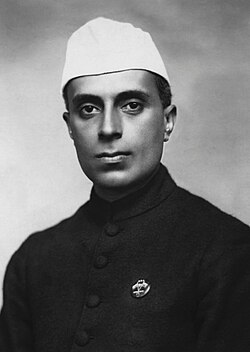
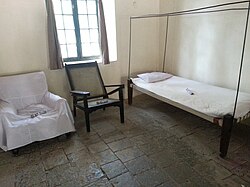
His commitment to the cause led to multiple periods of incarceration. Between 1930 and 1935, and again from 1943 to 1945, Nehru was imprisoned by British authorities. It was during his time at Ahmednagar Fort that he authored The Discovery of India, a profound reflection on his country's history and identity.
Leading the New Republic
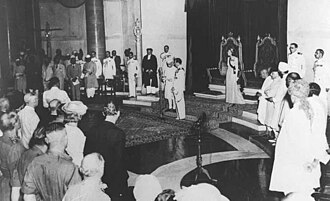
On the eve of India's independence, Nehru delivered his historic "Tryst with Destiny" speech, marking the birth of a free nation. He served first as the head of the Interim Government in 1946 and then as the Prime Minister of the Dominion of India, eventually becoming the Prime Minister of the Republic of India in 1950.
Domestic Vision and Governance
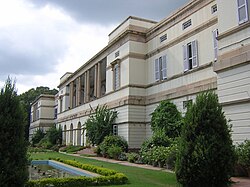
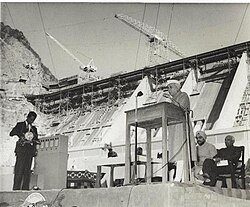
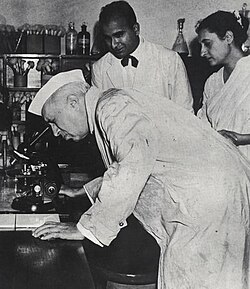
Nehru's governing philosophy focused on creating a modern, secular state. He championed the scientific temper—a way of thinking that uses the methods of science to understand the world—and invested heavily in education and infrastructure. His administration established integrated steel plants in Durgapur, Rourkela, and Bhilai, and oversaw the construction of the Bhakra Dam to boost agriculture and energy.
Foreign Policy and Global Diplomacy
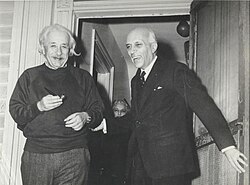
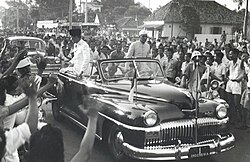
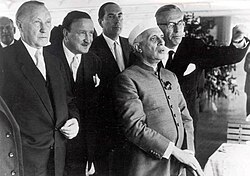
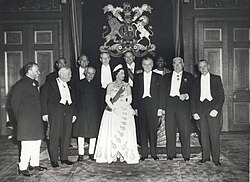
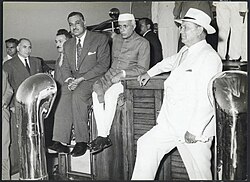
On the world stage, Nehru sought to avoid the Cold War polarization between the United States and the Soviet Union. He helped establish the Non-Aligned Movement, advocating for the sovereignty of newly independent nations. He maintained strong diplomatic ties with leaders such as Sukarno of Indonesia, Gamal Abdel Nasser of Egypt, and Josip Broz Tito of Yugoslavia.
Legacy and Final Years
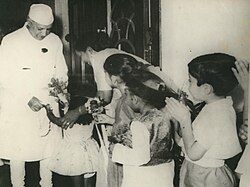
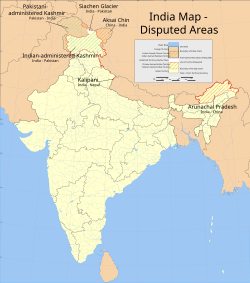
Despite his successes, Nehru's later years were challenged by the 1961 annexation of Goa and the Sino-Indian War of 1962. He remained a beloved figure among the public, particularly children, who affectionately called him "Chacha Nehru" (Uncle Nehru).
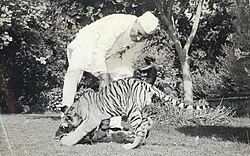
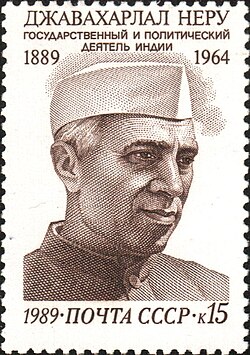
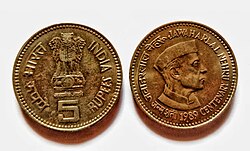
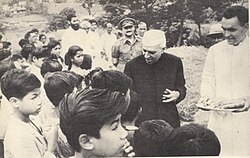
Jawaharlal Nehru passed away on May 27, 1964, at the age of 74. He is buried at Shantivan, leaving behind a legacy as the primary architect of the modern Indian state.
| Role | Period | Key Focus/Achievement |
|---|---|---|
| Head of Interim Government | 1946–1947 | Transition to independence |
| Prime Minister of India | 1947–1964 | Nation building and secularism |
| Minister of External Affairs | 1946–1964 | Non-Aligned Movement |
| Member of Parliament (Lok Sabha) | 1952–1964 | Representing Phulpur, Uttar Pradesh |
Frequently Asked Questions
What was the "Tryst with Destiny"?
It was the historic speech delivered by Jawaharlal Nehru on the eve of India's independence on August 14, 1947, marking the end of British colonial rule.
What is the Non-Aligned Movement?
The Non-Aligned Movement was a diplomatic strategy led by Nehru and other leaders to ensure that newly independent nations remained neutral and did not align with either the US or the USSR during the Cold War.
What does "scientific temper" mean in Nehru's context?
Nehru used this term to describe a rational, questioning, and evidence-based approach to life and governance, which he believed was essential for India's modernization.
Who succeeded Jawaharlal Nehru as Prime Minister?
Following Nehru's death in 1964, Gulzarilal Nanda served as acting Prime Minister before Lal Bahadur Shastri took office.
Where did Nehru write The Discovery of India?
Nehru wrote this influential work while he was incarcerated at Ahmednagar Fort between 1942 and 1945.