Japan National Football Team: History, Achievements, and the Samurai Blue Legacy
Known affectionately as the Samurai Blue, the Japan national football team has evolved from its early 20th-century beginnings into a dominant force in Asian football and a respected competitor on the global stage. Managed by the Japan Football Association (JFA), the team has built a reputation for technical precision, discipline, and a relentless drive for improvement.
From their first international match in 1917 to multiple Asian Cup titles and consistent World Cup appearances, the journey of the Samurai Blue is a testament to the growth of the sport in East Asia.

Key Facts

- Nickname: Samurai Blue
- Governing Body: Japan Football Association (JFA)
- Most Capped Player: Yasuhito Endō (152 appearances)
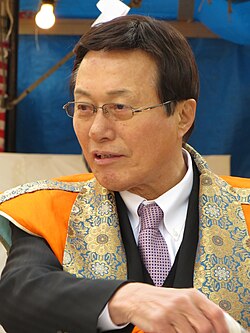
- All-Time Top Scorer: Kunishige Kamamoto (75 goals)
- Asian Cup Titles: 4 (1992, 2000, 2004, 2011)
- World Cup Debut: 1998
- Highest FIFA Ranking: 9th (February–March 1998)
Historical Evolution
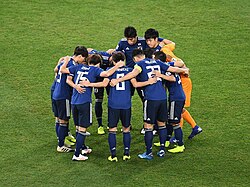
Pre-War and Post-War Eras (1910s–1980s)
Japan's international journey began on May 9, 1917, with a 0–5 loss to China in Tokyo. The early decades were marked by gradual growth and participation in the Olympics, including a notable appearance at the 1936 Games.
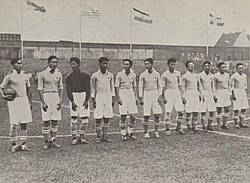
The post-war era saw Japan establishing itself within the Asian Football Confederation (AFC). A significant milestone occurred in 1968 when the team secured a bronze medal at the Mexico City Olympics. By the 1980s, the team began refining its tactical approach, setting the stage for a golden era of success.

The Rise to Global Prominence (1990s–2010s)
The 1990s marked a turning point for Japanese football. The team captured its first AFC Asian Cup title in 1992, signaling its arrival as a continental powerhouse. This momentum culminated in their first FIFA World Cup appearance in 1998.
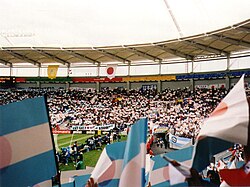
The 2000s brought further glory, including two more Asian Cup titles (2000 and 2004) and the honor of co-hosting the 2002 FIFA World Cup. During this period, Japan reached the Round of 16, cementing its status as a consistent World Cup contender.
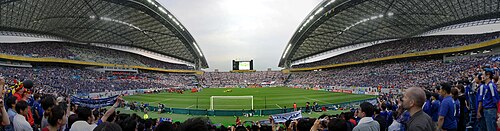
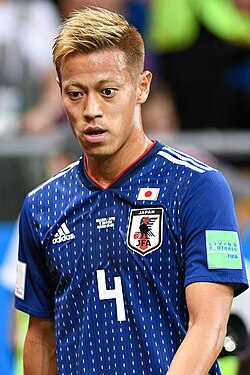
In the 2010s, the team continued to excel, winning the Asian Cup again in 2011 and producing world-class talents like Keisuke Honda, who became a cornerstone of the national squad across three World Cups.
Modern Era and Recent Successes (2020s–Present)
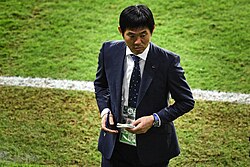
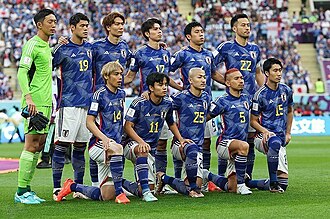
Under the leadership of manager Hajime Moriyasu, Japan has continued to challenge the world's elite. The team has consistently reached the Round of 16 in recent World Cups (2018, 2022) and has secured impressive victories against top-tier European nations.
Recent campaigns have shown a team that is tactically flexible and fearless, as evidenced by their 2–1 victory over Germany in the 2022 World Cup.
Major Tournament Record
Japan's success is reflected in its trophy cabinet and tournament progression. While the Asian Cup has been their most successful venture, their performance in the FIFA Confederations Cup—including a runners-up finish in 2001—highlights their ability to compete with champions from other continents.
| Competition | Best Result | Years Won/Achieved |
|---|---|---|
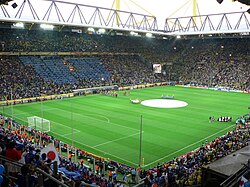
| AFC Asian Cup | Champions (4) | 1992, 2000, 2004, 2011 |
| FIFA World Cup | Round of 16 | 2002, 2010, 2018, 2022 |
| FIFA Confederations Cup | Runners-up | 2001 |
| Afro-Asian Cup of Nations | Champions (2) | 1993, 2007 |
| Olympic Games | Bronze Medal | 1968 |
Legendary Figures
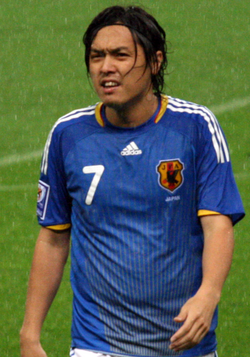
The success of the Samurai Blue has been driven by iconic individuals. Yasuhito Endō holds the record for the most appearances, embodying the longevity and consistency of the Japanese midfield.
In terms of offensive prowess, Kunishige Kamamoto remains the gold standard, holding the record for the most goals scored for the national team.
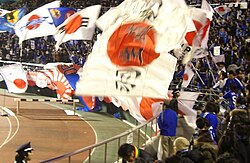
The passionate support of the fans remains the heartbeat of the team, with national flags and chants providing a powerful atmosphere at every match.
Frequently Asked Questions
Who is the all-time top scorer for the Japan national team?
Kunishige Kamamoto is the top scorer for Japan, having netted 75 goals during his international career.
How many times has Japan won the AFC Asian Cup?
Japan has won the AFC Asian Cup four times, with titles in 1992, 2000, 2004, and 2011.
When did Japan first qualify for the FIFA World Cup?
Japan made its first appearance at the FIFA World Cup in 1998.
Who is the most capped player in the history of the Samurai Blue?
Yasuhito Endō is the most capped player, with a total of 152 appearances for the national team.
What is the significance of the nickname "Samurai Blue"?
The nickname combines the traditional Japanese warrior (Samurai) with the team's primary kit color (Blue), symbolizing bravery, discipline, and national identity.