Jacobitism: The Struggle for the Stuart Restoration
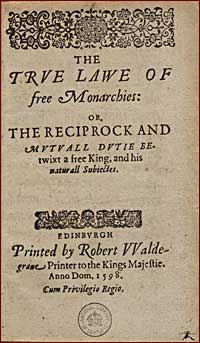
Jacobitism (from the Latin Jacobus for James) was a political movement dedicated to restoring the House of Stuart to the thrones of England, Scotland, and Ireland. Spanning from the late 17th century to the early 19th century, it was more than a mere dynastic dispute; it was a complex intersection of religious conviction, national identity, and the legal theory of indefeasible hereditary right—the belief that a monarch's right to rule is permanent and cannot be taken away.
The movement emerged from the turmoil of the Glorious Revolution of 1688, which saw the Catholic King James II deposed in favor of his Protestant daughter Mary and her husband, William of Orange. For over a century, the exiled Stuarts and their supporters launched plots and military campaigns to reclaim their ancestral power, creating a legacy of conflict that reshaped the British Isles.
Key Facts
- Primary Goal: The restoration of the House of Stuart to the British thrones.
- Core Ideologies: Divine right of kings, indefeasible dynastic right, and elements of Scottish and Irish nationalism.
- Major Conflicts: The Williamite War (1689–91) and the Jacobite risings of 1689, 1715, 1719, and 1745.
- Turning Point: The defeat of the 1745 Rising in 1746 effectively ended Jacobitism as a viable political threat.
- Key Figures: James II, James Francis Edward Stuart, and Charles Edward Stuart (Bonnie Prince Charlie).
Political Foundations and the Fall of James II
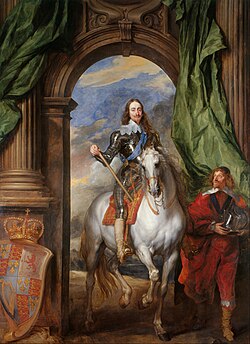
The roots of Jacobitism lie in the religious and political instability of the early Stuart era. James VI and I began standardizing religious practices across the three kingdoms, a policy continued by Charles I. However, Charles's assertion of Personal Rule (governing without Parliament) and his religious reforms triggered the Bishops' Wars in Scotland and widespread unrest in Ireland.
By the time James II ascended the throne in 1685, the political climate was volatile. While initially accepted as the natural heir, James's open Catholicism alienated the Protestant majorities in England and Scotland. In Ireland, however, he was a beacon of hope. Under his reign, the Earl of Tyrconnell worked to establish a Catholic political and military infrastructure, reversing decades of land loss and legal restrictions on Catholics.
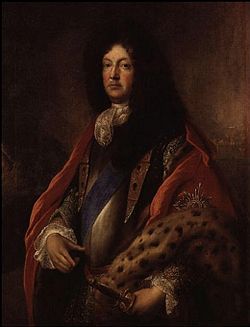
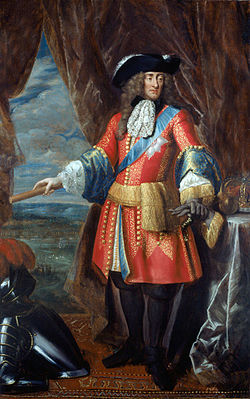
This rapid shift destabilized the three kingdoms, leading to the "Invitation to William" in 1688. William of Orange landed in England with 14,000 men, prompting James's army to desert and the King to flee into exile. In 1689, Parliament appointed William and Mary as joint monarchs, setting the stage for decades of Stuart attempts to return.
The Military Campaigns and Risings
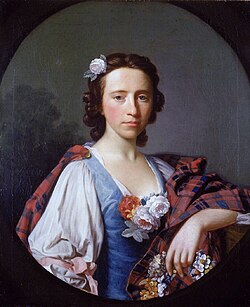
The Jacobite cause manifested in several major military efforts. The first significant clash was the Williamite War in Ireland (1689–1691), where James II attempted to use Ireland as a springboard to regain England. While the Irish Parliament briefly proclaimed Ireland a distinct kingdom and repealed land seizures, the Jacobites were ultimately defeated at the Battle of Aughrim in 1691.
Following the Treaty of Limerick, the movement shifted its focus toward Scotland and England. The 18th century saw a series of "risings"—armed rebellions intended to place the Stuart claimants on the throne:
- 1689 Rising: Early attempts to restore James II in Scotland.
- 1715–16 Rising: A significant revolt that saw 20,000 Scots fight for the Jacobite cause.
- 1719 Rising: A smaller, unsuccessful attempt to regain power.
- 1745–46 Rising: Led by Charles Edward Stuart, this was the most threatening revolt, though it ended in total defeat in 1746.
The Role of the Scottish Highlands
Scottish Jacobitism was deeply rooted in the feudal structures of the Highlands. Many clansmen were compelled by their landlords to provide military service, providing the bulk of the rank and file for the Stuart armies. This regional loyalty, combined with anti-Hanoverian sentiment, made Scotland the heartland of the movement.
Supporters Across the Three Kingdoms
| Region | Primary Motivations | Key Characteristics |
|---|---|---|
| Ireland | Catholicism, land restoration, nationalism | Strong support for James II; "Flight of the Wild Geese" exile. |
| Scotland | Feudal loyalty, anti-Unionism, Episcopalianism | Highland clan mobilization; extensive military participation. |
| England & Wales | Tory politics, legitimism | Smaller, often clandestine support among Tory gentry. |
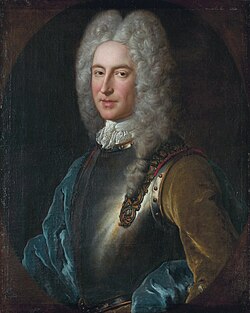
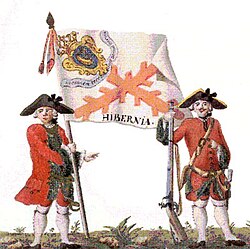
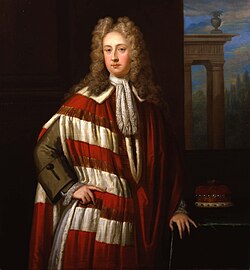
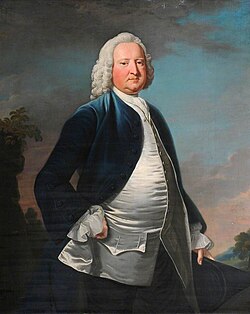
In Ireland, the defeat of 1691 led to the "Flight of the Wild Geese," where 12,000 soldiers went into exile, many joining the French Army's Irish Brigade. In England and Wales, support was more fragmented, often tied to Tory ministers like Lord Bolingbroke or sympathizers who wore specific colors, such as blue, to signal their allegiance.
The Decline and Romantic Legacy
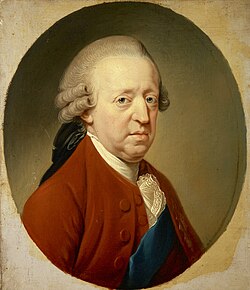
After the failure of the 1745 Rising, Jacobitism ceased to be a serious political threat. The claimants continued to exist in exile, but their influence waned. Charles Edward Stuart, once the charismatic "Bonnie Prince Charlie," spent his later years in France, where he was eventually dismissed by ministers as being incapacitated by drink.
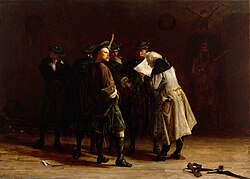
By the 19th century, the movement underwent a romantic revival. No longer a danger to the state, Jacobitism became a symbol of a lost, poetic past. The publication of The Lyon in Mourning in the 1830s helped transform the image of the Jacobites from rebels into tragic figures of history.
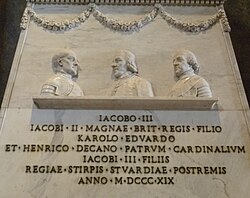
The Stuart claim eventually passed to other European houses, including the House of Savoy and the House of Habsburg-Lorraine. Today, the claim is held by the House of Wittelsbach, though it is not actively pursued. The memory of the Stuart monarchs is preserved in the Vatican's Monument to the Royal Stuarts.
Frequently Asked Questions
Who were the Jacobites?
The Jacobites were supporters of the House of Stuart, who sought to restore James II and his descendants to the thrones of England, Scotland, and Ireland after the Glorious Revolution of 1688.
What was the "Divine Right of Kings"?
This was the political and religious doctrine that a monarch is subject to no earthly authority, deriving the right to rule directly from the will of God.
Why was the 1745 Rising significant?
Led by Charles Edward Stuart, the 1745 Rising was the last serious attempt to restore the Stuarts. Its failure in 1746 effectively ended Jacobitism as a political movement.
What was the "Flight of the Wild Geese"?
This refers to the exodus of approximately 12,000 Irish Jacobite soldiers who went into exile after the Williamite War, with many serving in the French and Spanish armies.
Who is the current Jacobite heir?
The current heir is Franz, Duke of Bavaria, from the House of Wittelsbach, although the claim is no longer actively pursued.