Istanbul Under the Ottoman Empire: A History of the Imperial Capital
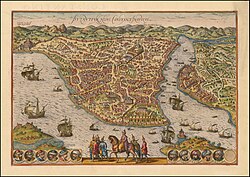
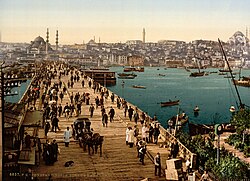
From the fall of Constantinople on May 29, 1453, to the abolition of the empire in 1922, Istanbul served as the beating heart of one of history's most expansive states. For nearly five centuries, the city acted as the political, economic, and religious center of an empire that spanned three continents: Europe, Asia, and Africa. By leveraging its strategic position on the Bosphorus, Istanbul reclaimed its status as a global hub of international trade and diplomacy.
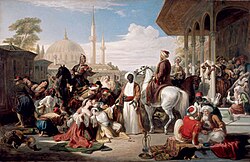
As the seat of the caliphate (the leadership of the Muslim community), Istanbul became a melting pot of cultures, blending influences from the Byzantines, Seljuks, Arabs, and Persians. It was a miniature model of the empire itself, characterized by an ethnically and religiously diverse population. While the city reached its zenith under Suleiman the Magnificent, it later faced periods of stagnation, internal revolt, and increasing pressure from Western European powers.
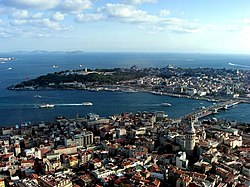
Key Facts
- Duration: The Ottoman era in Istanbul lasted from 1453 to 1922.
- Strategic Value: The city controlled the Turkish Straits, a vital trade artery between the Mediterranean and the Black Sea.
- Cultural Synthesis: The city integrated Byzantine, Persian, Arab, and Seljuk cultural elements.
- Peak Era: The reign of Suleiman the Magnificent is regarded as the city's greatest period of flourishing.
- Capital Shift: The capital of Turkey was officially moved to Ankara on October 13, 1923.
The Era of Expansion and Consolidation
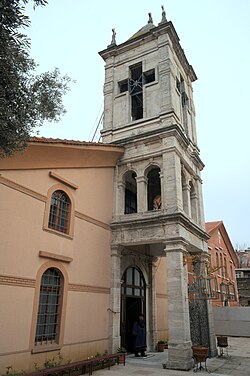
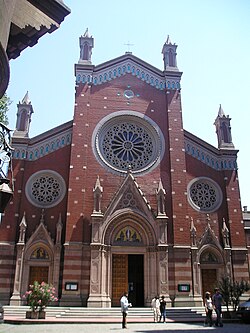
Under Mehmed II, the city underwent rapid transformation. In 1475, the annexation of Genoese possessions in Crimea led to the resettlement of Genoese and Armenian populations in Istanbul. The city's religious landscape also shifted; for example, the 13th-century Catholic Church of Saint Paul in Galata was converted into a mosque in 1475. To ensure political stability and prevent power struggles, Mehmed II effectively legalized fratricide within the dynasty to maintain order during successions.
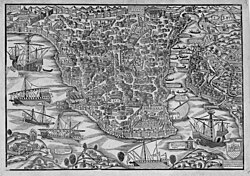
Architectural Growth and the Golden Age
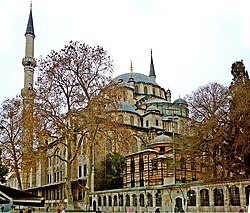
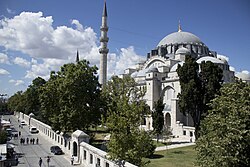
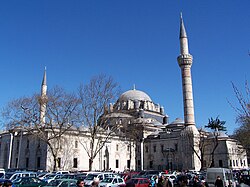
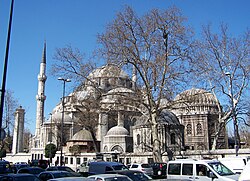
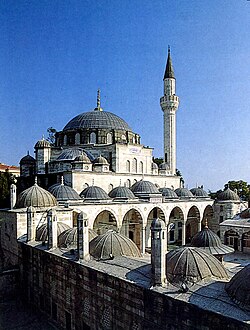
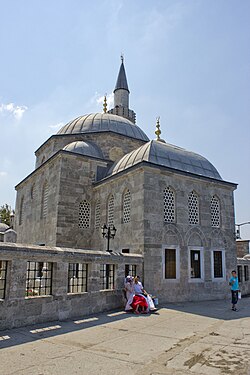
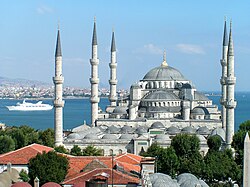
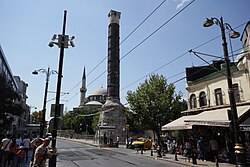
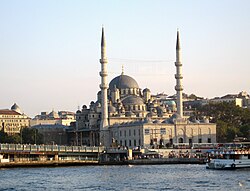
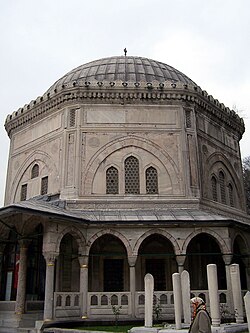
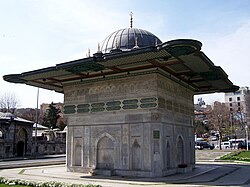
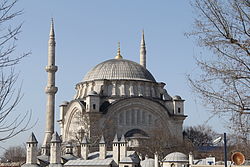
The city's skyline was defined by the construction of monumental mosques and palaces. The "century of Suleiman" brought about a surge in enthusiastic descriptions from European diplomats and travelers, marking the height of Ottoman prestige. Key structures from various eras, such as the Fatih Mosque, the Şehzade Mosque, and the Süleymaniye Mosque, reflect the empire's architectural ambition.
Challenges: Fire, Revolt, and Decline
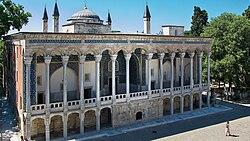
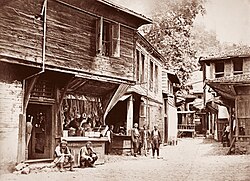
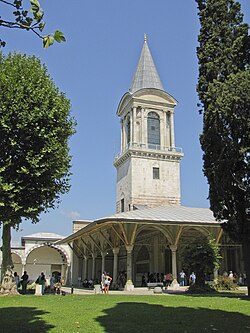
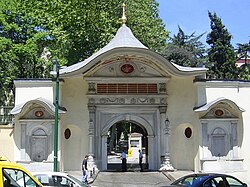
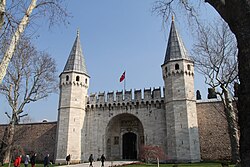
Despite its splendor, Istanbul was plagued by frequent disasters. Because the city was predominantly built of wood, fires were catastrophic. Between 1633 and 1698, entire quarters were destroyed 21 times, devastating warehouses, granaries, and workshops. This led to a shift toward stone construction for critical buildings, including the sultan's harem and various service premises within the Topkapı Palace complex.
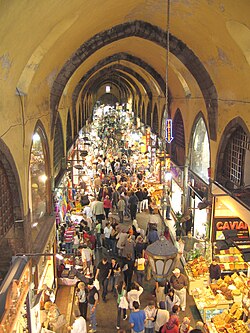
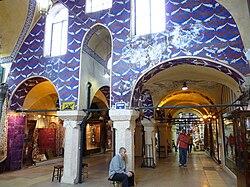
Economically, the completion of the Egyptian Bazaar in 1660—specializing in spices and condiments—provided essential funds for the maintenance of the New Mosque. However, by the reign of Ahmed I, the construction of large mosques slowed, and the city saw an increase in riots and revolts led by the Janissaries (the elite infantry units) and the lower classes.
Reform and the Late Imperial Period
The 18th and 19th centuries were marked by attempts to modernize the state. Sultan Mahmud I sought to reform the military, and in 1737, the first educational institution focused on exact sciences and applied mathematics was opened in Üsküdar by the French Ahmed Pasha. However, these efforts often faced fierce resistance from the conservative Janissary corps.
The 19th century brought further demographic shifts. In the 1860s, a large wave of exiles from the North Caucasus—including Kabardians, Adyghe, Abkhazians, and Ossetians—settled in Istanbul. These muhajirs (migrants) eventually produced many of Turkey's prominent diplomats, scientists, and politicians.
The End of an Era
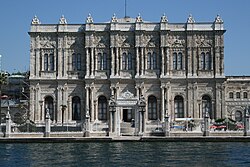
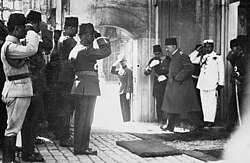
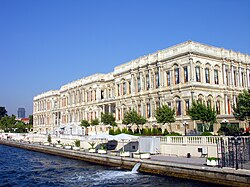
The final decades of the empire were turbulent. The Young Turks rose to power, leading to the deposition of Abdul Hamid II in 1909. The imperial era finally concluded in November 1922, when the last sultan departed the Dolmabahçe Palace, signaling the end of the Ottoman dynasty and the transition to the modern Republic of Turkey.
Ottoman Istanbul Summary
| Period/Era | Key Focus | Notable Developments |
|---|---|---|
| Early Era (Mehmed II) | Consolidation | Annexation of Crimea, conversion of churches to mosques. |
| Golden Age (Suleiman I) | Flourishing | Peak of international trade, architectural masterpieces. |
| Mid-Period (17th-18th C) | Stagnation & Crisis | Frequent fires, Janissary revolts, economic decline. |
| Late Era (19th-20th C) | Modernization | Military reforms, Caucasian migration, fall of the Sultanate. |
Frequently Asked Questions
When did Istanbul stop being the capital of the Ottoman Empire?
The Ottoman Empire was abolished in 1922, and the capital of the new Turkish state was officially transferred to Ankara on October 13, 1923.
How did the city handle the frequent fires of the 17th century?
Due to the prevalence of wooden buildings, fires were common and destructive. In response, the empire began constructing court buildings and palace premises, such as the sultan's harem, out of stone to prevent future losses.
Who were the Janissaries and what was their role in the city?
The Janissaries were the elite infantry corps of the Ottoman Empire. While they were a powerful military force, they often became a source of political instability, leading numerous riots and revolts in the capital.
What was the significance of the Egyptian Bazaar?
Completed in 1660, the Egyptian Bazaar specialized in spices and condiments. Its economic importance was not only in trade but also in its funding, as the income from the market was used to complete and maintain the neighboring New Mosque.
Which group of migrants significantly influenced late Ottoman society?
In the 1860s, a large number of exiles from the North Caucasus (collectively called Circassians) settled in Istanbul. This group contributed significantly to the empire's later bureaucracy, science, and politics.