The Life and Legacy of Ishida Mitsunari: Commander of the Western Army
In the turbulent final years of the Sengoku period, few figures loom as large or as controversially as Ishida Mitsunari. A brilliant administrator and a dedicated loyalist to the Toyotomi clan, Mitsunari became the central figure in the struggle that would decide the future of Japan. Best known as the commander of the Western Army during the monumental Battle of Sekigahara, his life was a complex tapestry of political maneuvering, military service, and intense personal rivalry.
Born in 1559 in Ōmi Province, Mitsunari rose from the ranks of a retainer's son to become one of the most powerful daimyō (feudal lords) and bugyō (top administrators) under the legendary Toyotomi Hideyoshi. While history often portrays him as a rigid bureaucrat, modern scholarship reveals a man of significant planning skill whose downfall was driven as much by political isolation as by battlefield tactics.
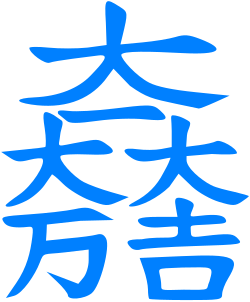
Key Facts
- Role: Daimyō of Sawayama Castle and commander of the Western Army.
- Allegiance: Toyotomi clan and the Western Army.
- Major Conflict: The Battle of Sekigahara (1600).
- Key Achievement: Administrator of Sakai and leader of the "sword hunt" to disarm the populace.
- Death: Beheaded in Kyoto on November 6, 1600, at approximately 40–41 years of age.
Early Life and Rise to Power
Mitsunari, originally named Sakichi, was the second son of Ishida Masatsugu, a retainer for the Azai clan. Following the defeat of the Azai in 1573, the Ishida family withdrew from service. Though legends suggest he may have been a monk before his political rise, historical evidence for this remains unverified.
His trajectory changed forever in 1577 when he met Toyotomi Hideyoshi. Mitsunari quickly became a trusted officer, assisting Hideyoshi in various military campaigns, including the sieges of Tottori and Takamatsu castles. By 1585, his administrative talents were recognized when he was appointed administrator of the wealthy port city of Sakai.
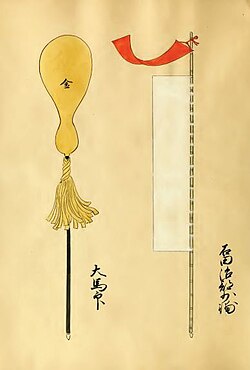
Administrative Excellence and Military Service
Mitsunari was not merely a soldier; he was a highly effective civil servant. He served as one of the five top administrators of Hideyoshi's government and was tasked with the famous "sword hunt," a policy designed to disarm non-military citizens to maintain social order. He also managed the kenchi (land surveys) in Gamo county, a vital task for establishing taxation and stability.
On the battlefield, his reputation was more varied. While he participated in the Battle of Shizugatake and the Battle of Komaki and Nagakute, his performance at the Siege of Oshi was criticized. However, recent historical analysis suggests that certain controversial strategies, such as flooding the castle, were actually direct orders from Hideyoshi himself, rather than Mitsunari's own initiatives.
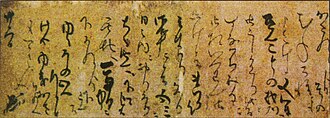
The Conflict with the Military Faction
One of the most defining periods of Mitsunari's life was his intense friction with the military generals of the Toyotomi administration. Following Hideyoshi's death in 1598, a legal and political conflict erupted between Mitsunari and several prominent generals, including Fukushima Masanori and Katō Kiyomasa.
While popular tradition often describes this as a "conspiracy to kill Mitsunari," modern historians suggest it was a legal dispute. The generals were dissatisfied with Mitsunari's administrative assessments of their performance during the Japanese invasions of Korea. This friction effectively split the Toyotomi loyalists into two camps: those who supported Mitsunari and those who aligned with Tokugawa Ieyasu.
The Battle of Sekigahara and Final Days
In 1600, the tensions reached a breaking point. Mitsunari formed an alliance of Toyotomi loyalists to oppose the rising power of Tokugawa Ieyasu. This culminated in the Battle of Sekigahara, a conflict so decisive that it is often described as the battle that split the nation in two.
Despite his strategic planning, Mitsunari's forces were defeated. After attempting to flee, he was captured by villagers and subsequently beheaded in Kyoto. His death marked the end of the Azuchi–Momoyama period and the beginning of the long-lasting Tokugawa Shogunate.
Summary of Ishida Mitsunari's Life
| Category | Details |
|---|---|
| Born | 1559, Ōmi Province |
| Died | November 6, 1600 (Age 40–41) |
| Title/Rank | Daimyō, Bugyō, Jibu-no-shō |
| Fief | Sawayama (500,000 koku) |
| Resting Place | Sangen-in, Daitoku-ji, Kyoto |
Cultural Legacy and Artifacts
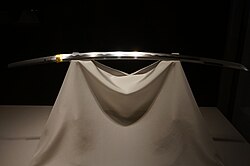
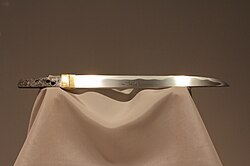
Mitsunari's influence extends into the realm of art and modern storytelling. He is a central figure in James Clavell's novel Shōgun, where the character "Ishido" is based on him. Furthermore, several legendary blades once belonged to him, including the "Ishida Masamune" and the "Hyūga Masamune", both crafted by the master blacksmith Masamune.
Frequently Asked Questions
Was Ishida Mitsunari a successful military commander?
His reputation is complex. While he was a skilled administrator and planner, he suffered from poor popularity among the military class. Some historians argue that his defeat at Sekigahara was due to his inability to secure the loyalty of key daimyo, rather than a lack of tactical ability.
What was the "Seven Generals' conspiracy"?
Traditionally, it was seen as a plot by seven generals to assassinate Mitsunari. However, modern historians view it more accurately as a legal and political conflict regarding Mitsunari's administrative reports and assessments of the generals' military actions in Korea.
How did Mitsunari die?
Following his defeat at the Battle of Sekigahara in 1600, Mitsunari attempted to escape but was caught by local villagers. He was executed by beheading in Kyoto.
What happened to his wealth after his death?
Interestingly, after Sawayama Castle was captured by the Eastern army, reports indicated that Mitsunari had kept no gold or silver at the castle, suggesting a life focused more on administration than personal hoarding.
What are the most famous items associated with him?
He is associated with two significant swords made by the master Masamune: the katana known as "Ishida Masamune" (held by the Tokyo National Museum) and the tantō "Hyūga Masamune" (a National Treasure held by the Mitsui Memorial Museum).