Inverness: The Vibrant Capital of the Highlands
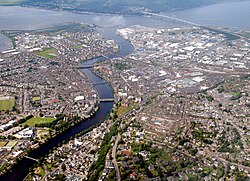
Perched at the mouth of the River Ness, Inverness (Scottish Gaelic: Inbhir Nis) serves as the administrative heart and unofficial capital of the Scottish Highlands. This historic city blends a rich Gaelic heritage with modern urban development, acting as a gateway to some of Scotland's most iconic landscapes, including Loch Ness and the rugged peaks of the north.
From its origins as a strategic settlement to its current status as a bustling hub of commerce and culture, Inverness offers a unique glimpse into the linguistic and social evolution of Scotland. Whether through its Art Deco architecture or its deep-rooted connection to the Gaelic language, the city remains a focal point for those exploring the Highlands.
Key Facts
- Role: Administrative centre for the Highland Council.
- Population: 48,248 (2022).
- Languages: English, Scots, and Scottish Gaelic.
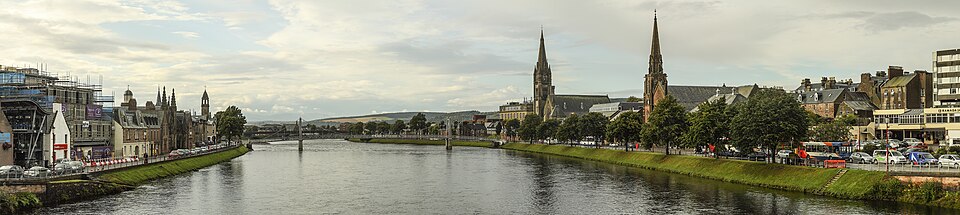
- Geography: Located at the mouth of the River Ness, near the Beauly Firth.
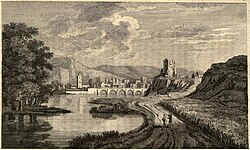
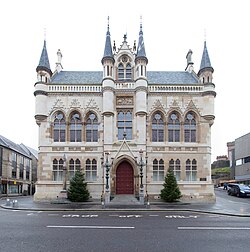
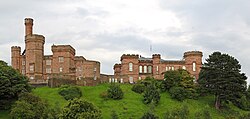
- Key Landmark: Inverness Castle, overlooking the city skyline.
Geography and Climate
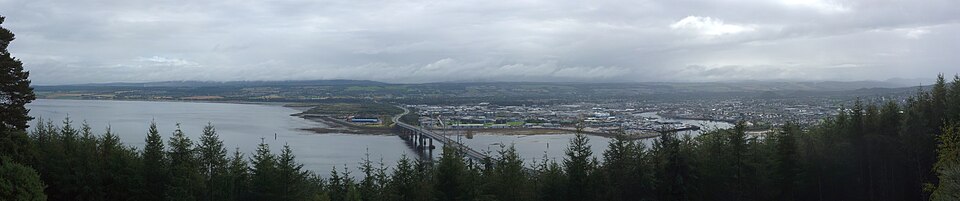
Inverness is situated in the Highland council area, characterized by its proximity to the Moray Firth and the River Ness. The city's landscape is defined by its waterways and the surrounding hills, providing a scenic backdrop for its residents and visitors.
The climate is typical of the Scottish Highlands, with moderate temperatures and significant rainfall throughout the year. The average annual precipitation is approximately 755 mm, with the wettest months typically occurring in October and December.
| Metric | Winter (Jan) | Summer (Jul) | Annual Average |
|---|---|---|---|
| Mean Daily Max Temp (°C) | 7.1 | 19.0 | 12.7 |
| Mean Daily Min Temp (°C) | 1.3 | 11.3 | 5.7 |
| Average Precipitation (mm) | 76.2 | 62.0 | 755.0 |
| Monthly Sunshine Hours | 40.4 | 139.2 | 1,249.7 |
History and Linguistic Heritage
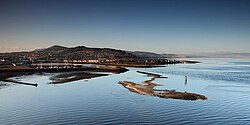
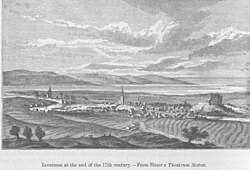
The history of Inverness is deeply intertwined with the Picts and later medieval Scottish society. Over the centuries, it evolved from a small settlement into a critical regional center. The city's name itself, Inbhir Nis, translates to "Mouth of the River Ness," reflecting its geographical importance.
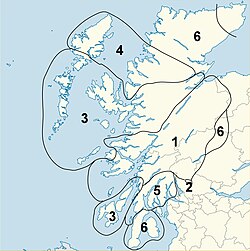
Linguistically, Inverness is a fascinating study in dialect. While English is the primary language, Scots and Scottish Gaelic remain influential. A notable feature of the local speech is preaspiration (a phonetic trait where a breathy sound precedes certain consonants), which was common in Inverness Gaelic and continues to influence both the Gaelic and English spoken in the city today.
City Infrastructure and Economy
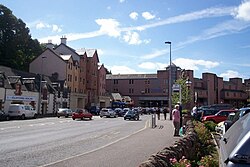
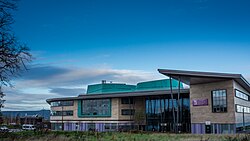
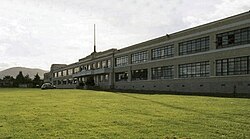
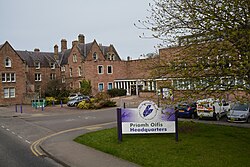
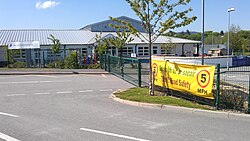
As the administrative center for the Highland Council, Inverness hosts various government and educational institutions. The city is home to UHI Inverness, a partner of the University of the Highlands and Islands, and the Art Deco-inspired Inverness High School.
Transport and Connectivity
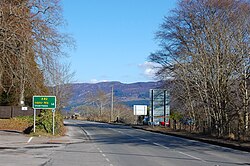
Inverness is well-connected by road, rail, and air. The Kessock Bridge is a vital artery, carrying the A9 trunk road across the Beauly Firth, while the A82 provides a primary route toward the south.
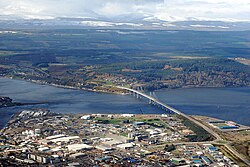
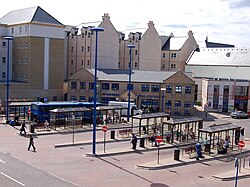
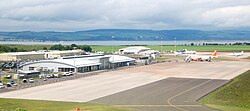
The city's transport network includes a dedicated bus station and Inverness Airport, ensuring accessibility for tourists and business travelers. Rail services are diverse, including the Caledonian Sleeper, which connects the city to London Euston six times a week.
Culture, Arts, and Leisure
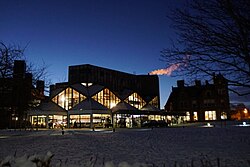
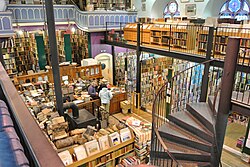
Culture in Inverness is a blend of traditional Highland arts and modern entertainment. The Eden Court Theatre serves as a hub for the performing arts, while Leakey's Bookshop, housed in a listed building, is a beloved landmark for bibliophiles.
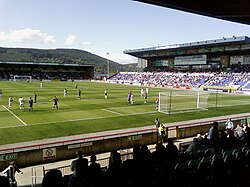
For sports enthusiasts, the Caledonian Stadium is the home of Inverness Caledonian Thistle. The city is also a starting point for three major long-distance footpaths: the Great Glen Way, the John o' Groats Trail, and the South Loch Ness Trail.
Notable People
Inverness has produced a wide array of influential figures across politics, sports, and the arts. Notable residents and natives include:
- Politics: Yvette Cooper (Foreign Secretary) and Charles Kennedy (former leader of the Liberal Democrats).
- Athletics: Olympic silver medallist Laura Muir and 2024 Olympian Megan Keith.
- Literature: Authors Ali Smith and Josephine Tey.
- Sports: Professional golfers like Russell Knox and various Scottish international footballers.
Frequently Asked Questions
What does the name Inverness mean?
The name comes from the Scottish Gaelic Inbhir Nis, which means "Mouth of the River Ness."
What is the population of Inverness?
As of 2022, the population of Inverness was 48,248.
Which major roads serve the city?
The city is primarily served by the A9, which crosses the Beauly Firth via the Kessock Bridge, and the A82, often referred to as "The Inverness Road."
What are the main languages spoken in Inverness?
The primary languages are English, Scots, and Scottish Gaelic.
How can visitors travel to London from Inverness?
One of the most prominent options is the Caledonian Sleeper train, which operates a service to London Euston six times a week.