Inverness Cape: History, Style, and Cultural Legacy
The Inverness cape is a distinctive form of weatherproof outer-coat designed for protection against the elements. Its most defining characteristic is that it is sleeveless; instead of traditional sleeves, the wearer's arms emerge from armscyes (armholes) located beneath a protective cape. This design ensures that rain is deflected away from the body, preventing the wool from soaking through.
While often confused with similar garments, it is distinct from the Inverness coat, which includes sleeves beneath the cape, and the Ulster coat, which features a shorter cape that only reaches the elbows. The garment is also occasionally referred to as a havelock, named after Henry Havelock.
Key Facts
- Design: A sleeveless, water-repellent outer-coat with a shoulder cape.
- Origins: Evolved from the sleeved Inverness coat of the 1850s to a sleeveless version by the 1880s.
- Materials: Traditionally made from heavy Harris tweed, though modern versions use Gore-Tex, nylon, or twill.
- Cultural Icon: Strongly associated with Sherlock Holmes, though the character originally wore an Ulster in the novels.
- Global Reach: Adapted in Japan as the tonbi coat during the Meiji era.
Evolution and Design Variations
The garment's evolution began in the 1850s as a sleeved coat covered by a long cape. By the 1870s, the design shifted to include two separate "wing" capelets sewn into the side seams. By the 1880s, the sleeves were removed entirely, creating the sleeveless Inverness cape we recognize today.
There are two primary finishing styles for the front of the coat:
- Formal: Features short lapels with the capes set back behind them.
- Informal: Lacks lapels, utilizing a simple fall collar with a tall stand and buttons across the front. This version was particularly popular among coachmen and cab drivers—hence the term "coachman's cape"—as it allowed for greater freedom of arm movement.
Regional Adaptations and Usage
Highland Dress and Pipe Bands
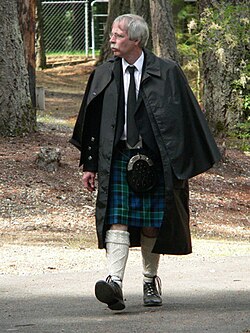
In the United Kingdom, the Inverness cape remains a staple of Highland dress. It is frequently crafted from plaid or checked Harris tweed for country wear, while black versions are reserved for formal evening attire. Pipe bands globally have adopted the cape because its sleeveless design allows members to access their sporran (a traditional pouch worn with a kilt) without needing to unbutton the coat.
The Japanese Tonbi Coat
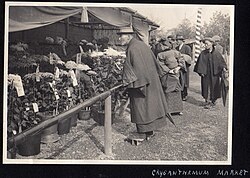
During the Meiji era, the Inverness coat was introduced to Japan and evolved into the tonbi (or tombi) coat. Named after the appearance of a kite, the tonbi was highly popular because it could be worn comfortably over a traditional kimono. This demand helped stimulate the Japanese wool market during the Meiji, Taishō, and Shōwa eras.
The Inverness Cape in Popular Culture
The Sherlock Holmes Connection
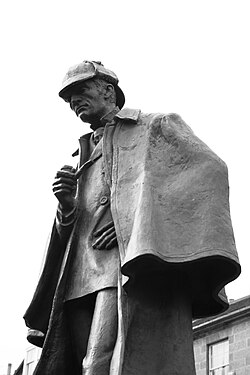
The most enduring image of the Inverness cape is linked to Sherlock Holmes. Interestingly, Arthur Conan Doyle originally described Holmes as wearing an Ulster. The iconic look—combining the cape, a deerstalker cap, and a calabash pipe—was a composite created by illustrators like Sidney Paget and David Henry Friston, and later solidified by actor Basil Rathbone in the 1939 films.
Other Media Appearances
The garment has appeared across various genres of fiction and film:
- Television: The Third Doctor in Doctor Who (played by Jon Pertwee) wore one to achieve an Edwardian look. Barnabas Collins in Dark Shadows also wore a cape, which was updated to bottle-green in the 2012 film.
- Cinema: It is a common sight in Westerns and Spaghetti Westerns, and was used in the 2001 adaptation of Waiting for Godot to symbolize Irish Protestant Ascendancy landlords.
- Literature: Solar Pons (a Holmes pastiche) and Harry Dresden (in The Dresden Files) are both depicted wearing the garment.
- Modern Fashion: The cape has seen a limited revival within the Steampunk subculture.
Comparison of Cape-Coats
To better understand the differences between these similar garments, refer to the table below:
| Garment | Sleeves | Cape Length/Style | Primary Use |
|---|---|---|---|
| Inverness Cape | None (Armholes) | Full shoulder coverage | Weatherproof / Highland Dress |
| Inverness Coat | Yes | Full shoulder coverage | Outerwear |
| Ulster Coat | Yes | Short (to the elbows) | Heavy winter wear |
| Tonbi Coat | Modified | Kite-like flaps | Worn over Kimono (Japan) |
Frequently Asked Questions
What is the difference between an Inverness cape and an Inverness coat?
The primary difference is the sleeves. An Inverness cape is sleeveless with armholes beneath the cape, whereas an Inverness coat has full sleeves covered by the cape.
Did Sherlock Holmes actually wear an Inverness cape in the books?
No. In the original novels by Arthur Conan Doyle, Holmes is described as wearing an Ulster. The Inverness cape became associated with him through illustrators and later film adaptations.
Why is the Inverness cape popular with pipe bands?
Because it has no sleeves and features wide-cut armholes, it allows the wearer to easily access their sporran without having to open or unbutton the coat.
What is a tonbi coat?
The tonbi is a Japanese modification of the Inverness coat that became popular during the Meiji era because it could be worn over a kimono.
What materials are typically used to make these capes?
Traditionally, they are made from heavy wool or Harris tweed. Modern versions, especially those used by pipe bands, may be made from nylon, twill, or Gore-Tex for better water resistance.