Intercontinental Cup: The Historic Battle for Club World Supremacy
For over four decades, the Intercontinental Cup served as the definitive clash between the titans of two continents. Established in 1960, this prestigious competition pitted the champions of Europe (UEFA) against the champions of South America (CONMEBOL) to determine which club could claim the title of the best in the world.
From its early days of intense regional rivalry to its later rebirth as a global spectacle in Japan, the tournament captured the essence of football's global growth and the fierce competitive spirit of the sport's most successful clubs.
Key Facts
- Founded: 1960; abolished in 2004.
- Organizers: UEFA and CONMEBOL.
- Most Titles: Peñarol, Nacional, Milan, Real Madrid, and Boca Juniors (3 titles each).
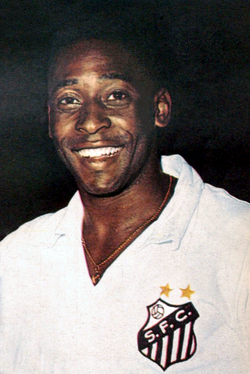
- All-Time Top Scorer: Pelé, with 7 goals in 3 matches.
- Final Champion: Porto (winning their 2nd title in 2004).
- FIFA Status: All winners are officially recognized by FIFA as club world champions.
The Early Era and Rioplatense Violence
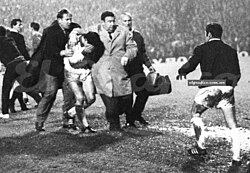
The tournament began as a high-stakes encounter between the winners of the European Cup and the Copa Libertadores. However, the early decades were often marred by extreme physicality and aggression, particularly during matches involving clubs from the Rio de la Plata region (Argentina and Uruguay).
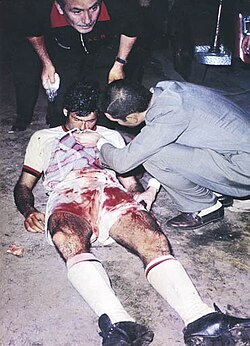
These clashes frequently devolved into violence, leading to a period of degradation in the tournament's image. Notable examples include the 1968 match between Manchester United and Estudiantes LP, and the 1969 series where Milan's Néstor Combin was left unconscious after a brutal encounter.
The Shift in Competition
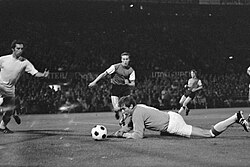
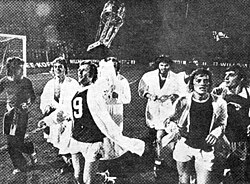
Despite the volatility, the tournament continued to showcase legendary talent. The 1970s saw a variety of champions, including Feyenoord and Ajax, as the European game began to exert more influence on the global stage.
Rebirth in Japan and the Toyota Cup
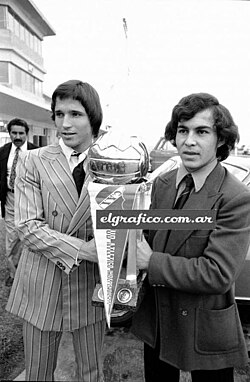
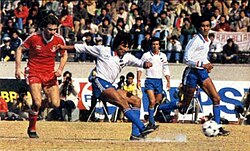
To move away from the violence of the early years and increase the tournament's commercial appeal, the competition was relocated to Japan in 1980. This era transformed the event into a single-match final, often sponsored by Toyota, leading many to refer to it as the Toyota Cup.
This transition brought a new level of professionalism and international prestige, turning the match into a global event that attracted fans from across the world.

Legacy and FIFA Recognition
The Intercontinental Cup was eventually abolished in 2004 to make way for the FIFA Club World Cup, a broader competition involving teams from all six continental confederations. However, the legacy of the original cup remains intact.
In a significant historical decision, FIFA officially recognized all winners of the Intercontinental Cup as club world champions, ensuring that the achievements of legendary teams from the 1960s through the 1990s are formally recorded in the annals of football history.
Tournament Summary
| Category | Details |
|---|---|
| Founding Year | 1960 |
| Abolished Year | 2004 |
| Primary Regions | Europe & South America (1960–79), Japan (1980–2004) |
| Most Successful Clubs | Peñarol, Nacional, Milan, Real Madrid, Boca Juniors (3 each) |
| Top Goalscorer | Pelé (7 goals) |
| Last Winner | Porto |
Top Performers and Individual Honors
The tournament was a stage for some of the greatest players in history. Pelé remains the most prolific scorer, including a legendary hat-trick for Santos against Benfica in 1962.
All-Time Top Scorers
- Pelé (Santos): 7 goals in 3 apps
- Alberto Spencer (Peñarol): 6 goals
- Luis Artime (Nacional): 3 goals
- José Sasía (Peñarol): 3 goals
- Santana (Benfica): 3 goals
- Sandro Mazzola (Inter Milan): 3 goals
Notable Man of the Match Awards
Over the years, the tournament recognized outstanding individual performances. Some of the most iconic recipients include Michel Platini (1985), Alessandro Del Piero (1996), Raúl (1998), and Ronaldo (2002).
Frequently Asked Questions
What was the Intercontinental Cup?
It was an annual football competition held between 1960 and 2004, contested by the champions of the UEFA Champions League (formerly European Cup) and the Copa Libertadores.
Who has won the most Intercontinental Cups?
Five clubs share the record for the most titles with three championships each: Peñarol, Nacional, AC Milan, Real Madrid, and Boca Juniors.
Does FIFA recognize the Intercontinental Cup winners?
Yes, FIFA officially recognizes all winners of the Intercontinental Cup as club world champions.
Who is the all-time leading scorer of the tournament?
Pelé is the all-time top goalscorer, netting 7 goals in just 3 matches while playing for Santos.
Why was the tournament moved to Japan?
The move to Japan in 1980 was intended to reduce the violence associated with the early matches and to expand the tournament's international commercial reach.