Instagram: The Evolution of a Visual Social Media Giant
Launched on October 6, 2010, Instagram has transformed from a simple photo-sharing app into a global cultural phenomenon. Created by Kevin Systrom and Mike Krieger and now operated by Meta Platforms, the service has redefined how billions of people communicate through visual storytelling. From its early days of square-cropped photos to the integration of short-form video, Instagram has consistently adapted to the changing landscape of digital interaction.
The platform is available across a wide array of operating systems, including iOS, iPadOS, Android, Fire OS, and Microsoft Windows, as well as through web browsers. To accommodate its global reach, the service is available in 33 languages, spanning from Arabic and Chinese to Spanish and Vietnamese.
Key Facts
- Founders: Kevin Systrom and Mike Krieger.
- Launch Date: October 6, 2010.
- Parent Company: Meta Platforms.
- Primary Function: Visual social networking via photos and videos.
- Global Reach: Available in 33 languages across multiple operating systems.
- Top Market: India leads in user count with 414 million users.
The Journey from Burbn to Global Dominance
Before it became the icon we recognize today, the project had different roots. The early branding reflected a different vision before the pivot to the streamlined photo-sharing experience that captured the public's imagination.

As the app grew in popularity between 2010 and 2013, its visual identity evolved. The original wordmark served as the face of the company during its rapid ascent, coinciding with the introduction of the Android version in April 2012.

A pivotal moment occurred in April 2012 when Facebook (now Meta) acquired Instagram for approximately $1 billion. This acquisition provided the infrastructure and funding necessary for massive scaling, leading to a series of redesigns in the following years.


In May 2016, Instagram underwent a major brand overhaul, replacing its realistic camera icon with a modern, minimalist glyph. This new look was updated again in 2022 to feature more saturated colors.

The company's physical growth mirrored its digital success. On October 6, 2016, Instagram celebrated its sixth birthday by moving into a three-story headquarters in Menlo Park, California.

Core Features and Creative Tools
Instagram's success is built on tools that allow users to enhance their imagery. In its early years, the app was famous for its photographic filters—preset effects that gave mobile photos a professional or vintage look—and its strict requirement that all photos be cropped to a square.

By 2011, the platform offered 16 different filters, allowing users to transform unprocessed images into stylized art.

Over time, the platform expanded beyond static images to include a diverse suite of tools:
- Hashtags: Introduced in January 2011 to help users categorize content and discover new communities.
- Explore: A discovery engine that suggests content based on user interests.
- Instagram Stories: Temporary posts that disappear after 24 hours.
- Instagram Direct: A private messaging service launched in December 2013.
- Instagram Reels: Short-form vertical videos designed to compete in the fast-paced video market.


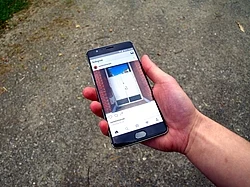
The app's interface has continued to evolve, with the Android version seeing significant updates to improve user experience and accessibility.
Global Impact and User Demographics
Instagram has become a primary tool for influencers, celebrities, and brands. Its reach is truly global, with a massive presence in Asia, the Americas, and Europe.
| Rank | Country | Users |
|---|---|---|
| 1 | India | 414 million |
| 2 | United States | 172 million |
| 3 | Brazil | 141 million |
| 4 | Indonesia | 103 million |
| 5 | Turkey | 58.5 million |
| 6 | Japan | 57.5 million |
| 7 | Mexico | 48.8 million |
| 8 | United Kingdom | 33.4 million |
| 9 | Germany | 31.3 million |
| 10 | Argentina | 28.9 million |
The platform's influence is further evidenced by its most-followed individuals, dominated by global sports stars and entertainment icons.
| Rank | Username | Followers | Profession |
|---|---|---|---|
| 1 | @cristiano | 640 million | Footballer |
| 2 | @leomessi | 504 million | Footballer |
| 3 | @selenagomez | 424 million | Singer, Actress |
| 4 | @kyliejenner | 396 million | Reality TV Star |
| 5 | @therock | 395 million | Actor, Producer |
Challenges and Controversies
Despite its success, Instagram has faced significant scrutiny. Internal data from Meta has raised concerns regarding the platform's impact on mental health, specifically concerning depression, anxiety, stress, and body image issues among younger users. Other concerns include the risks of addiction and the phenomenon of "sharenting" (parents oversharing their children's lives online).
The platform has also dealt with political and legal challenges, including censorship in countries like China, Iran, and Russia, as well as allegations that the Facebook acquisition violated U.S. antitrust laws. Additionally, the service has implemented fact-checking measures to combat misinformation and propaganda.
Beyond the app, Instagram has influenced language and culture, giving rise to terms like "Instagram face" (beauty standards based on digitally altered photos) and "Instagram husband" (the partner who takes the photos for social media posts).

Frequently Asked Questions
Who founded Instagram?
Instagram was founded by Kevin Systrom and Mike Krieger and was officially released on October 6, 2010.
When did Facebook acquire Instagram?
Facebook acquired Instagram in April 2012 for approximately $1 billion.
What are Instagram Reels?
Instagram Reels are short-form, vertical videos that allow users to create and share creative clips, often featuring music and special effects.
Which country has the most Instagram users?
India has the highest number of Instagram users, with approximately 414 million people.
What is the purpose of the Verified badge?
The verified badge is used to confirm the authenticity of an account, typically for public figures, celebrities, or global brands.