Tweets and X Posts: The Evolution of Microposting
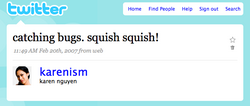
A tweet is a short post, often called a micropost, shared on the social network now known as X (formerly Twitter). These posts serve as the primary vehicle for communication on the platform, allowing users to share a mix of text, images, videos, GIFs, straw polls, hashtags, mentions, and hyperlinks.
Following the acquisition of the company by Elon Musk in October 2022 and the subsequent rebranding to X in July 2023, the platform officially replaced the term "tweet" with "post" and "retweet" with "repost." Despite these official changes, the original terminology remains widely used in common conversation.
Key Facts
- Original Limit: Tweets launched in 2006 with a 140-character limit.
- Current Standard: The standard limit is 280 characters, though X Premium users can post up to 25,000.
- User Activity: Approximately 10% of users generate 80% of all content.
- First Tweet: Posted by co-founder Jack Dorsey on March 21, 2006.
- Terminology: The word "tweet" was suggested by developer Blaine Cook in 2007.
The Evolution of the Character Limit
The iconic brevity of the platform was born from technical necessity. When Twitter launched in 2006, it was designed for SMS text messages, which were capped at 160 characters. By reserving 20 characters for the username, the platform left exactly 140 characters for the message itself. This constraint became a hallmark of the service, promoting speed and conciseness.
Over time, the platform experimented with these limits to increase user engagement. In May 2016, Twitter announced that media attachments—such as images, GIFs, and polls—would no longer count toward the character limit. This change was rolled out in September 2016, followed by a similar update for mentions in replies in March 2017.
In 2017, the standard limit was doubled to 280 characters. Today, users subscribed to X Premium (formerly Twitter Blue) have significantly more flexibility, with the ability to post up to 25,000 characters and utilize bold and italic styling.
Media and Interactive Features
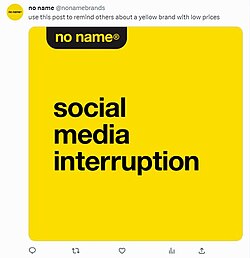
To keep users on the site, the platform introduced various ways to enrich posts. Media added to posts appear directly within the feed, enhancing visual storytelling.
The platform also utilizes metadata—data that describes other data—to create "cards." Some websites, including Wikipedia, allow X to grab this metadata from a linked webpage to provide a rich preview of the content.

Saving and Interacting
While "liking" a post is a common way to show endorsement, it is a public action. To provide a private alternative, the Bookmark feature was developed. Originally requested by Japanese users and developed during a company "hack week" under the name "#ShareForLater," bookmarks allow users to save posts privately without notifying the author. This feature rolled out to mobile users in February 2018 and to the web version in November 2018.
Fact-Checking and Content Moderation
As the platform became a hub for political discourse, the need for accuracy grew. X has implemented labeling systems to provide context to misleading information. For example, during the 2020 U.S. presidential election, posts making false claims about mail-in ballots were applied labels that directed users to the platform's election resources center.
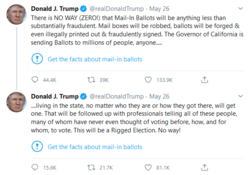
Additionally, the platform introduced Community Notes, a collaborative effort to add context to posts.

User Demographics and Behavior
Activity on the platform is highly skewed. While the median user posts only twice per month, a small group of prolific users (10%) accounts for 80% of all posts, averaging 138 posts per month. These power users are more likely to be women (65%) and frequently post about political issues. Furthermore, 25% of these prolific users employ automated tools to publish their content, compared to 15% of the general user base.
| Metric | Median User | Prolific User (Top 10%) |
|---|---|---|
| Posts per Month | 2 | 138 |
| Gender (Women) | 48% | 65% |
| Use of Automated Tools | 15% | 25% |
| Primary Content Focus | General | Political Issues |
Frequently Asked Questions
Why was the original limit 140 characters?
The limit was based on the 160-character maximum of SMS text messages. Twitter reserved 20 characters for the username, leaving 140 for the post content.
What is the difference between a Like and a Bookmark?
A Like is a public endorsement that notifies the author of the post. A Bookmark is a private way to save a post for later viewing without the author knowing.
Who created the term "tweet"?
While the developer Craig Hockenberry initially used the term "twit," Twitter developer Blaine Cook suggested "tweet" in 2007.
Can users post more than 280 characters?
Yes, subscribers to X Premium can post up to 25,000 characters and use text formatting like bold and italics.
How does the platform handle misinformation?
The platform uses labels to link users to resource centers for fact-checking and utilizes Community Notes to provide collaborative context to posts.