Innsbruck: The Alpine Capital of Tyrol
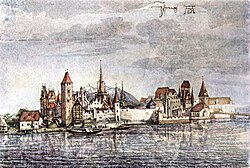
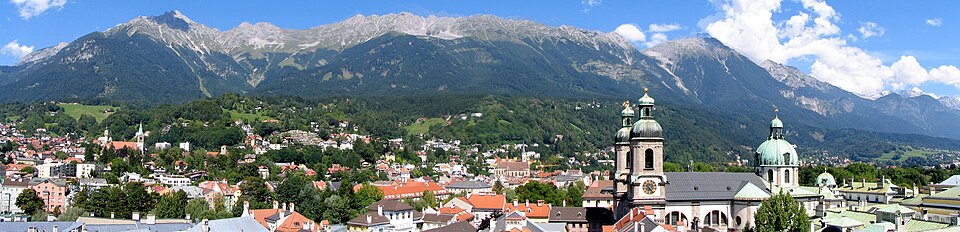
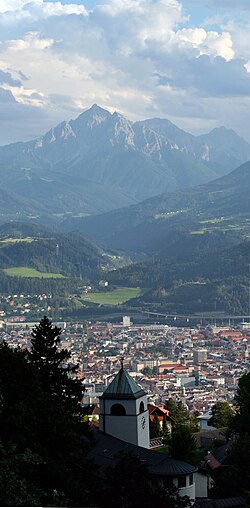
Nestled in the heart of the Alps, Innsbruck is a statutory city in the Austrian state of Tyrol. Known for its breathtaking mountain scenery and rich imperial history, it serves as a vital cultural and economic hub in the Euroregion Tyrol-South Tyrol-Trentino. From its medieval Old Town to the towering peaks of the Nordkette, Innsbruck blends urban sophistication with raw natural beauty.
The city is geographically defined by its position in the Inn Valley, surrounded by dramatic limestone massifs. This unique location has shaped its development from a strategic crossing point into a world-renowned destination for winter sports and alpine tourism.
Key Facts
- Location: Tyrol, Austria (47°16′06″N 11°23′36″E).
- Population: 131,961 in the statutory city (2020), with a metropolitan population of 228,583.
- Area: 104.91 square kilometers.
- Elevation: 574 meters above sea level.
- Key Landmarks: Goldenes Dachl (Golden Roof) and the Imperial Hofburg.
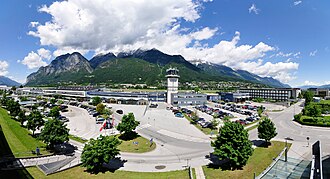
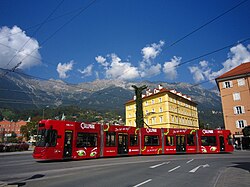
- Major Infrastructure: Innsbruck Airport and an extensive tramway system.
City Geography and Administration
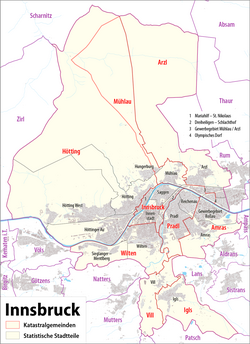
Innsbruck is divided into nine distinct boroughs, each contributing to the city's diverse character. The inner city remains the heart of administration and tourism, while outlying districts like Hötting and Pradl provide residential hubs.
| Borough | Population |
|---|---|
| Hötting | 34,958 |
| Pradl | 33,554 |
| Innsbruck - inner city | 20,250 |
| Wilten | 17,724 |
| Arzl | 11,281 |
| Mühlau | 5,655 |
| Amras | 5,610 |
| Igls | 2,631 |
| Vill | 525 |
Historical and Cultural Landmarks
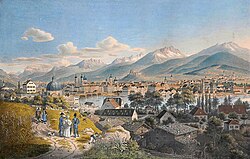
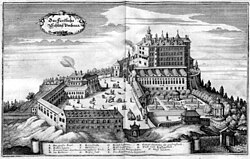
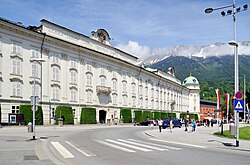
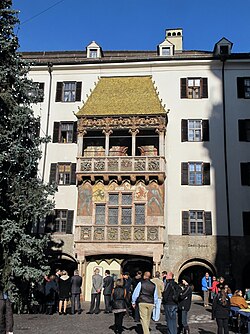
The city's architecture reflects its status as a former imperial residence. The Imperial Hofburg (Kaiserliche Hofburg) stands as a testament to the Habsburg influence, while the Goldenes Dachl (Golden Roof) remains the most iconic symbol of the city's medieval heritage.
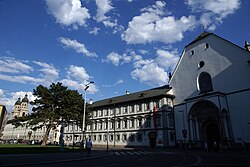
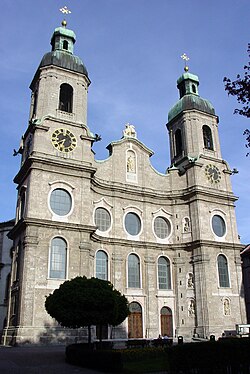
Religious architecture is equally prominent, featuring the Innsbruck Cathedral (Dom zu St. Jakob), the Court Church (Hofkirche), and the Jesuit Church. For those interested in regional heritage, the Tyrolean Folk Art Museum offers a deep dive into the customs of the Alps.
Modern Attractions and Events
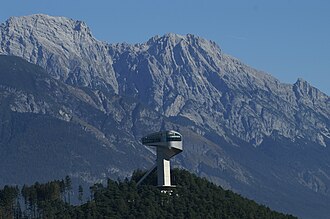
Beyond its history, Innsbruck is a center for modern sport and quirky cultural tributes. The Bergiselschanze is a world-famous ski jumping facility, and the city hosts the annual Innsbrucker Festwochen der Alten Musik (Festival of Early Music). Interestingly, the city also celebrates "Towel Day" as a tribute to Douglas Adams, who conceived the idea for The Hitchhiker's Guide to the Galaxy while in Innsbruck.
![Towel Day Innsbruck − Towels with a silkscreen print as homage to Douglas Adams. Next to the words 'DON'T PANIC' there are the GPS data from the city Innsbruck where Adams had the idea for the Hitchhiker's Guide to the Galaxy.[26]](/images/57/54/575473de8bca0164b74e0e06603950390f5b1b3b14f3aee0934a6da248389bad.jpg)
Climate and Environment
Innsbruck experiences a typical alpine climate, characterized by cold winters and mild to warm summers. Precipitation is distributed throughout the year, with peaks typically occurring in the summer months (July and August). Snowfall is common from late autumn through early spring, supporting the city's robust winter sports industry.
Notable Figures
Throughout history, Innsbruck has been home to a wide array of influential figures across various fields:
- Politics and Leadership: Archduke Sigismund and Leopold, Duke of Lorraine.
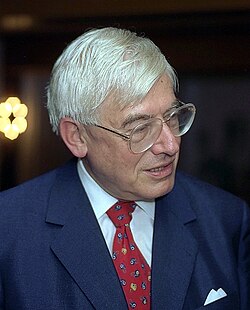
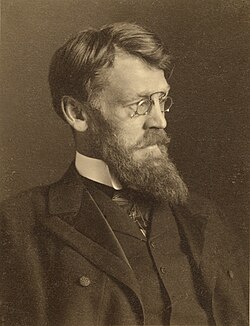
- Science and Medicine: Physicist Peter Zoller and surgeon Erwin Payr (eponym of Payr's disease).
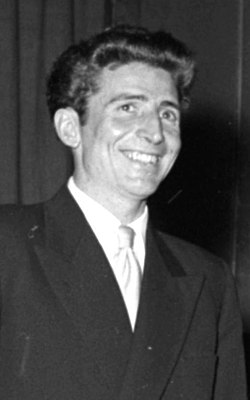
- Arts and Literature: Writer Karl Schönherr and composer Erich Urbanner.
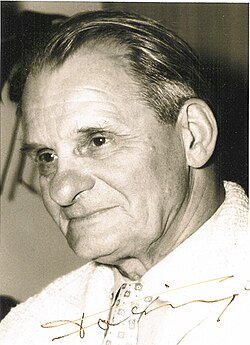
- Sports: Mountaineer Hermann Buhl and ski jumper Gregor Schlierenzauer.
Frequently Asked Questions



What is the most famous landmark in Innsbruck?
The Goldenes Dachl, or Golden Roof, is the city's most recognized landmark, symbolizing the wealth and power of the Habsburgs.
How does the climate in Innsbruck vary?
Innsbruck has an alpine climate with mean daily maximums ranging from approximately 4°C in January to 24°C in July, with significant snowfall during winter months.
What is the significance of the Bergiselschanze?
The Bergiselschanze is a premier ski jumping facility that hosts international competitions and serves as a major architectural landmark.
Which borough of Innsbruck has the highest population?
As of 2024, Hötting is the most populous borough with 34,958 residents.
What is the connection between Innsbruck and Douglas Adams?
Douglas Adams had the original idea for The Hitchhiker's Guide to the Galaxy while visiting Innsbruck, which is commemorated locally during Towel Day events.