Infant Mortality: Causes, Global Trends, and Prevention
Infant mortality refers to the death of an infant before they reach their first birthday. This critical health metric is measured by the infant mortality rate (IMR), which calculates the number of deaths of infants under one year of age per 1,000 live births. A related measure, the child mortality rate (or under-five mortality rate), tracks deaths of children up to the age of five.
Reducing infant mortality is a primary goal of global public health, as these rates often reflect the overall health, economic stability, and medical infrastructure of a population.
Key Facts
![Map of countries by total fertility rate (2022–2023), referring to the average number of children that are born to a woman over her lifetime, according to the Population Reference Bureau.[91]](/images/07/c9/07c9b33f1fae6e3efac471d29453386aa6e39f194cb84fe051dea428f89becc1.webp)
- Primary Causes: Preterm birth, congenital anomalies, and Sudden Infant Death Syndrome (SIDS) are leading causes of infant death.
- Preventable Risks: Smoking, alcohol consumption, and drug use during pregnancy significantly increase risk.
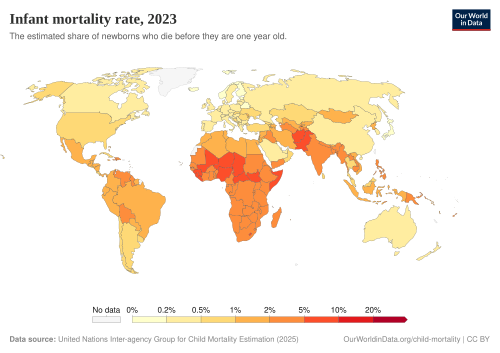
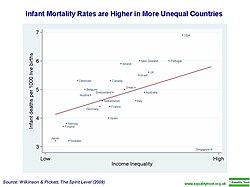
- Global Disparity: IMR varies drastically by region, with the highest rates often found in countries with high economic inequality.
- Effective Interventions: Immunization, clean drinking water, and improved sanitation are proven to lower mortality rates.
Leading Causes of Infant Mortality
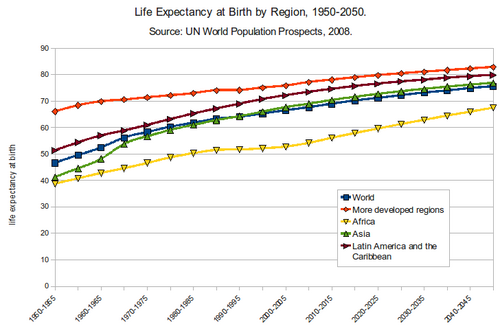
Infant deaths result from a complex interplay of biological, environmental, and situational factors. These are generally categorized into medical causes and external influences.
Medical and Biological Causes
The three most prominent causes of infant mortality include conditions related to preterm birth (birth before full term), congenital anomalies (birth defects), and Sudden Infant Death Syndrome (SIDS). For example, data from North Carolina (1980–1984) showed that prematurity accounted for 37.5% of deaths, followed by congenital anomalies at 17.4% and SIDS at 12.9%.
Other significant medical contributors include:
- Infections: Pneumonia, neonatal infections, malaria, and measles.
- Birth Complications: Birth asphyxia, umbilical cord prolapse, prolonged labor, and abnormal fetal presentation.
- Nutritional Deficiencies: Malnutrition and low birth weight.
- Gastrointestinal Issues: Diarrhea.
Environmental and Socio-economic Factors
Beyond biology, the environment in which a child is born plays a decisive role. Factors such as the mother's level of education, political infrastructure, and access to medical support are critical. High levels of economic inequality and the presence of war are strongly correlated with higher IMR.
Cultural factors can also influence outcomes, including male sex favoritism and the spacing between births. Environmental hazards, such as air and water pollution, further exacerbate these risks.
Prevention and Public Health Outcomes
![Data indicating the IMR disparity between infants non-Hispanic black postpartum parent's and infants of white or Hispanic postpartum parents in the United States from 2000 to 2010[154]](/images/a5/f7/a5f781109d35dc5e892bf11af1dc3ff2edc2d8f6fddf0204e3f0688713a778e9.png)
Many infant deaths are preventable through targeted policy and healthcare interventions. Improving prenatal care—medical care provided during pregnancy—is essential for identifying and managing risks early.
Key Preventative Measures
- Maternal Health: Eliminating smoking, alcohol, and drug use during pregnancy.
- Nutrition: Ensuring proper maternal nutrition and optimal breastfeeding practices.
- Medical Interventions: Widespread vaccination against infectious diseases.
- Infrastructure: Providing access to clean drinking water and improved sanitation systems.
Global Statistics and Measurement
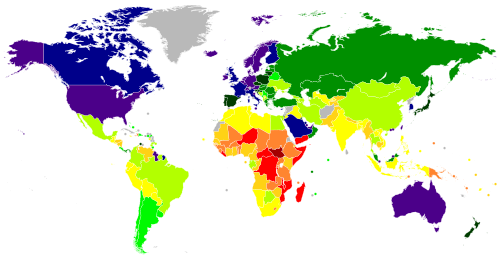
Measuring infant mortality is complex because different countries use different reporting requirements. For instance, some countries count all live births, while others only count births after a certain gestational age (e.g., 22 or 24 weeks) or a specific birth weight (e.g., 500 grams).
The disparity in outcomes is stark when comparing different nations. While some countries maintain extremely low rates, others face significant challenges.
| Rank/Category | Country/Region | IMR (per 1,000) |
|---|---|---|
| 1 | Afghanistan | 121.63 |
| 2 | Niger | 109.98 |
| 3 | Mali | 109.08 |
| Low Rate | Japan | 2.21 |
| Low Rate | Monaco | 1.80 |
Case Study: Brazil's Progress
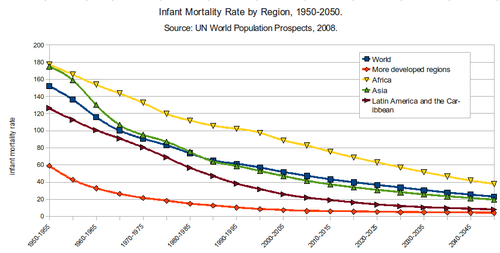
Brazil provides a clear example of how IMR can decline over time. From a rate of 152 deaths per 1,000 live births in 1950–1955, the rate is projected to drop to 23 by 2045–2050, demonstrating the impact of long-term health improvements.
Frequently Asked Questions
What is the difference between infant mortality and child mortality?
Infant mortality specifically refers to deaths occurring before the first birthday. Child mortality, often called the under-five mortality rate, includes all deaths from birth up to the age of five.
What are the most common preventable causes of infant death?
Preventable causes include smoking, alcohol, and drug use during pregnancy, as well as lack of prenatal care. On a systemic level, deaths from diarrhea and pneumonia can be prevented through clean water, sanitation, and vaccinations.
How does economic inequality affect infant mortality?
Countries with higher economic inequality typically exhibit higher infant mortality rates due to uneven access to healthcare, nutrition, and safe environmental conditions.
Why do infant mortality statistics vary between countries?
Variations occur because of different reporting standards. Some nations only record births that reach a certain weight (such as 500 grams) or a specific gestational age, which can affect the final calculated rate.
What role does maternal education play in infant survival?
A mother's level of education is a significant situational factor that contributes to lower infant mortality, as it often correlates with better health literacy and improved access to prenatal and postnatal care.