The Indigenous Peoples of the Americas: History, Culture, and Resilience
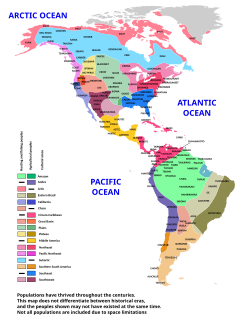
The Indigenous peoples of the Americas represent a vast and diverse array of ethnic groups, languages, and cultures that inhabited the Western Hemisphere long before European contact. From the Arctic tundra of Greenland to the tropical rainforests of the Amazon, these populations developed complex societies, innovative agricultural systems, and rich artistic traditions that continue to influence the global landscape today.
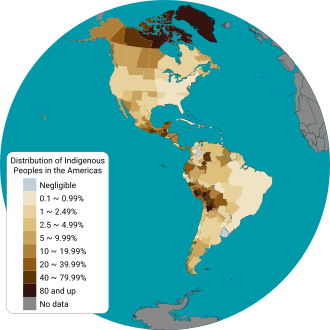
Key Facts
- Origins: Early humans migrated to the Americas via Beringia, a land bridge connecting Siberia and Alaska.
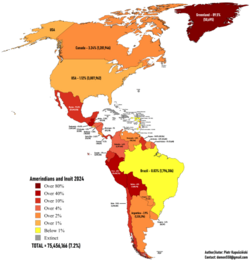
- Demographics: Mexico and the United States hold some of the largest Indigenous populations, while Greenland has the highest percentage of Indigenous identity (89.5%).
- Agriculture: Indigenous peoples domesticated globally essential crops, including maize, beans, and tomatoes.
- Genetic Heritage: Research indicates a genetic admixture between Ancestral Northern Eurasians and Northeast Asians.
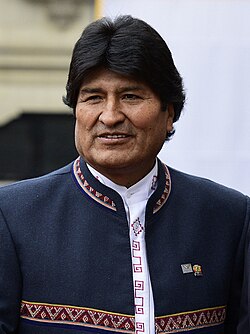
- Resilience: Despite massive population declines due to colonization and disease, Indigenous movements have led to significant political gains, including heads of state in countries like Bolivia.
The Peopling of the Americas
The arrival of humans in the Americas is a subject of extensive scientific study. According to the Out of Africa theory, early humans migrated from Africa and eventually reached the Americas. The primary route is believed to have been through Beringia, a land bridge that existed during the last glacial period, connecting present-day Siberia and Alaska.
![Map of early human migrations based on the Out of Africa theory; figures are in thousands of years ago (kya).[78]](/images/ad/97/ad979f3c0de9cd0255ebff625aad3f60324694cfbf822c4e8d6ae6505b461500.webp)
Genetic research provides deeper insight into these migrations. Studies of mtDNA (mitochondrial DNA, which is passed from mothers to offspring) and Y-DNA suggest that the first Americans were the result of an admixture between Ancestral Northern Eurasian populations—a distinct Paleolithic Siberian group—and Northeast Asians. This genetic blending likely occurred in Northeast Siberia before the populations moved into the Americas.
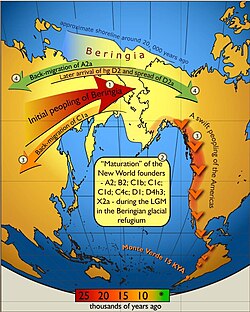
![A map showing the origin of the first wave of humans into the Americas, including the Ancestral Northern Eurasian, which represent a distinct Paleolithic Siberian population, and the Northeast Asians, which are an East Asian-related group. The admixture happened somewhere in Northeast Siberia.[281]](/images/69/5f/695f101b5df81b3452dc87a84c672c22b46c37c0f17f946f2f324b8bfd98e89a.png)
![Principal component analysis showing the Native American cluster in other Eurasian populations.[282]](/images/a7/83/a783f277e49c112e06c380a0368bc3dfce11789f6b48aa01e79a0a5979deeeb0.jpg)
![A qpGraph on the formation of Ancient Paleo-Siberians and Native American populations.[311]](/images/4d/c4/4dc421da7adae74954ac89f7b169ff77b37d0f56e5b7cfd1954724e10a025811.jpg)
Pre-Columbian Achievements and Culture
Before European arrival, Indigenous societies built sophisticated civilizations. One of their most enduring legacies is the domestication of plants. Indigenous farmers developed crops that now feed billions of people worldwide, most notably maize (corn), which was central to Mesoamerican life. Other critical domestications include the common bean, native to Mexico and Central America, and the tomato, cultivated by pre-Hispanic civilizations in central Mexico.
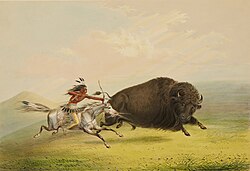

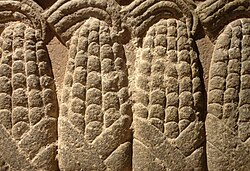
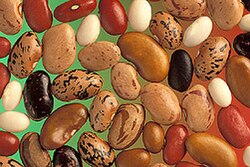
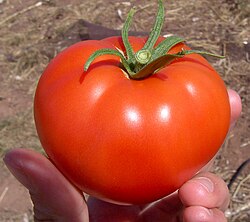
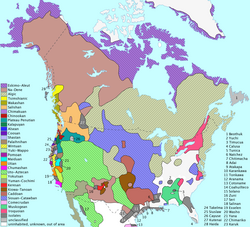
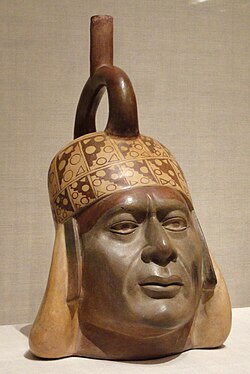
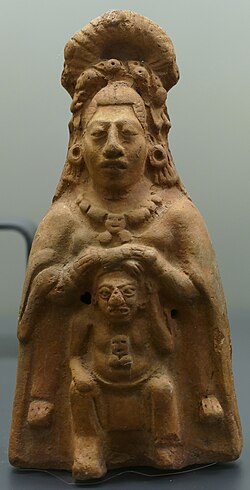
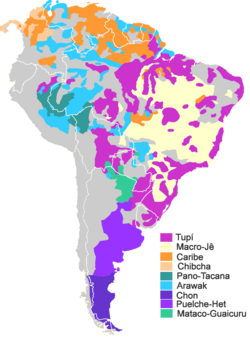
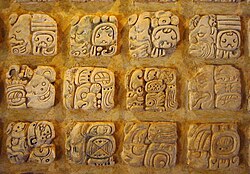
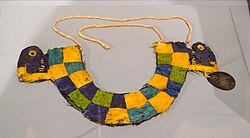
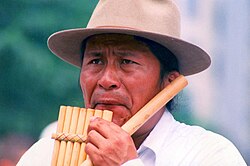
Culturally, the Americas were a mosaic of linguistic and artistic diversity. Writing systems ranged from the complex Maya glyphs to other early forms of recording. Artistry flourished in the form of intricate ceramics, such as the Moche portrait vessels of Peru, and elaborate textile work. Music was also central to social and spiritual life, featuring instruments like the antara or siku (panpipes).
European Colonization and Historical Trauma
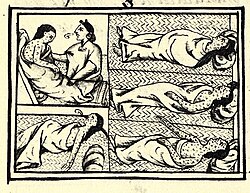
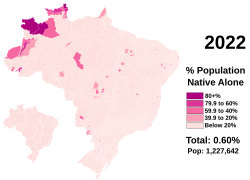
The arrival of Europeans triggered a catastrophic decline in Indigenous populations. The introduction of Old World diseases, most notably smallpox, devastated communities that had no prior immunity. In Brazil, for example, the Indigenous population is estimated to have plummeted from a pre-Columbian high of three million to approximately 300,000 by 1997.
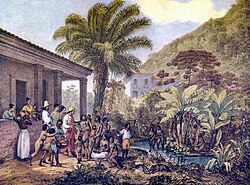
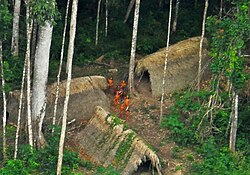
Beyond disease, colonization brought systemic displacement and historical trauma. However, many groups resisted and maintained their cultural identities, leading to the emergence of mixed-heritage groups such as the Mestizos (European and Indigenous), Métis (specifically in Canada), and Zambos.
Regional Diversity and Modern Status
North America
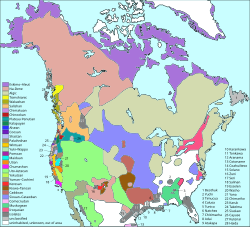
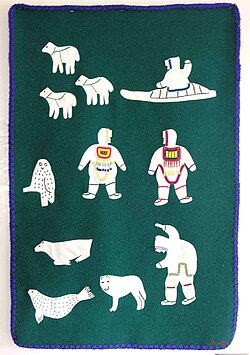
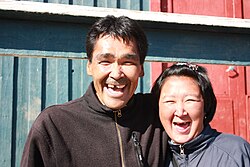
In Canada, Indigenous identity is categorized into three distinct groups: the First Nations, the Inuit, and the Métis. In Greenland, the population is predominantly Inuit, divided into linguistic groups including the Kalaallit of the west, the Tunumiit of the east, and the Inughuit of the north.
![A map of Canada showing the percent of self-reported Indigenous identity (First Nations, Inuit, Métis) by census division, according to the 2021 Canadian census[201]](/images/3a/48/3a48ba156154af03e6f3cdb543b6818a9dce45dfbf6e9a3b8e948644f68d93d3.webp)
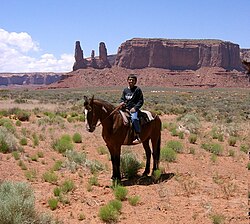
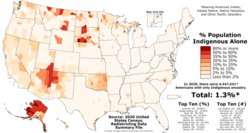
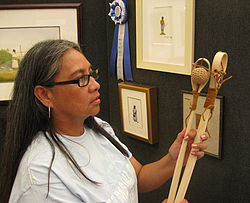
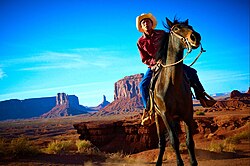
In the United States, Indigenous peoples maintain a diverse presence across the continent, with significant populations in the Southwest, such as the Navajo.
Mexico and Central America
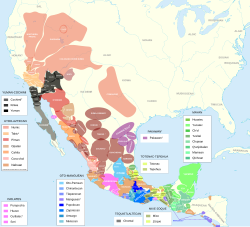
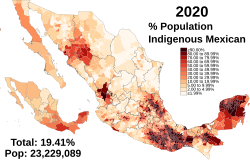
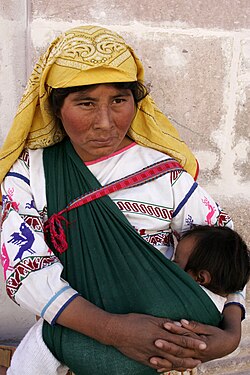
Mexico has one of the world's largest Indigenous populations. The Mexican state recognizes specific rights for these groups, including the right to preserve their languages, elect representatives to municipal councils, and determine their own internal social and political organizations.
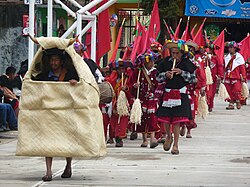
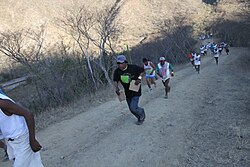
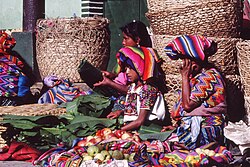
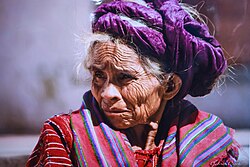
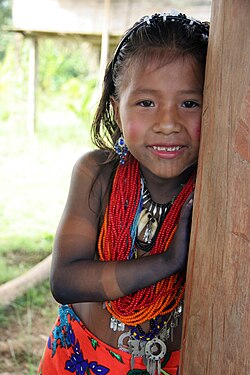
Central American nations, including Guatemala, Belize, and Panama, also maintain strong Indigenous identities. In Guatemala, the Maya people remain a prominent cultural and demographic force.
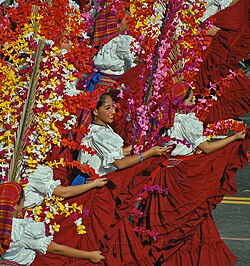
South America
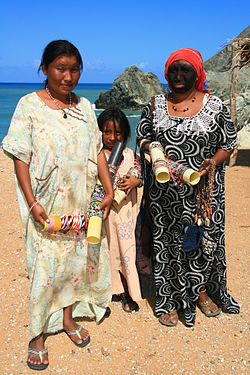
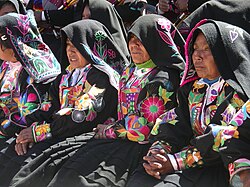
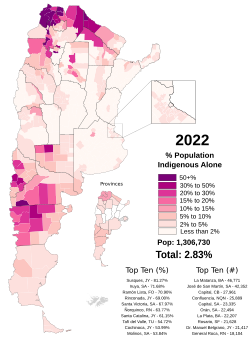
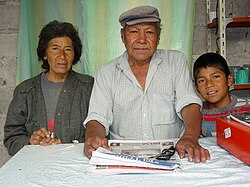
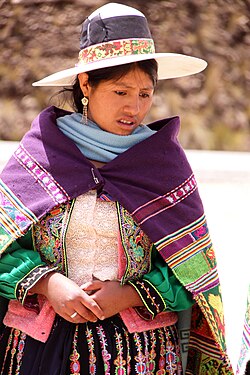
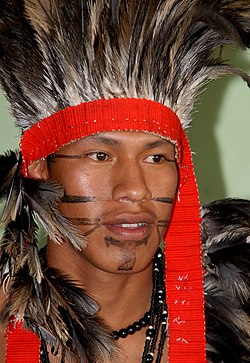
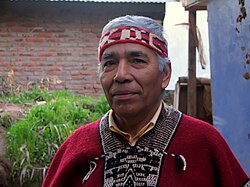
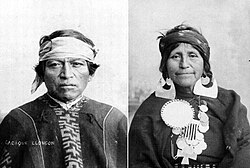
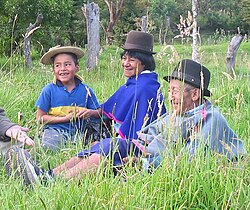
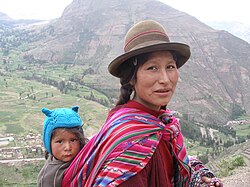
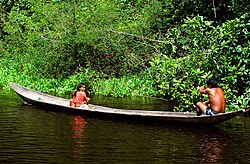
South America's Indigenous landscape is characterized by the vast Amazonian tribes and the Andean cultures. In Bolivia, the Aymara and Quechua peoples have achieved significant political influence, exemplified by the presidency of Evo Morales, an Aymara member.

Demographics and Population
Today, Indigenous peoples continue to play a vital role in the demographics of the Americas. While some countries have small percentages of Indigenous residents, others maintain very high proportions of native identity.
| Country or Territory | Indigenous % (Most Recent Census) |
|---|---|
| Greenland | 89.5% |
| Guatemala | 43.43% |
| Bolivia | 37.63% |
| Peru | 20.74% |
| Mexico | 19.41% |
| Panama | 17.17% |
| Chile | 11.46% |
| Belize | 11.15% |
| Guyana | 10.51% |
| Canada | 5.0% |
| United States | 1.12% |
The rise of Indigenous movements has shifted the political landscape, leading to greater recognition of land rights and cultural autonomy across the hemisphere.
Frequently Asked Questions
Who are the Indigenous peoples of the Americas?
They are the descendants of the original inhabitants of North, Central, and South America, as well as the Caribbean, who lived in the region prior to European colonization. This includes a vast array of groups such as the Maya, Inuit, Quechua, and Navajo.
How did the first humans arrive in the Americas?
Scientific evidence suggests they migrated from Asia via Beringia, a land bridge that connected Siberia and Alaska during the last ice age, as part of a broader migration pattern from Africa.
What were the most important agricultural contributions of Indigenous peoples?
Indigenous peoples domesticated several crops that are now global staples, most notably maize (corn), common beans, and tomatoes, which were primarily developed in Mexico and Central America.
What caused the massive population decline after European contact?
The primary cause was the introduction of Eurasian diseases, such as smallpox, to which Indigenous populations had no immunity. This was compounded by the violence and displacement associated with colonization.
Which countries have the highest proportion of Indigenous people today?
Greenland has the highest percentage at 89.5%, followed by Guatemala (43.43%) and Bolivia (37.63%).