Indian Religions and the Role of Women
The spiritual landscape of India is defined by a complex interplay between egalitarian theology and deeply rooted social hierarchies. From the pursuit of nirvana in Buddhism to the veneration of the Divine Feminine in Hinduism, the role of women has historically fluctuated between positions of high spiritual authority and systemic subordination.
Buddhism: Spiritual Equality and Institutional Barriers
Buddhism is often characterized as a revolutionary ideology regarding the status of women. At its core, Theravāda Buddhism posits that all individuals, regardless of caste, origin, or status, possess equal spiritual worth. Because the faith lacks an explicit "Creator," there is no inherent sacredness tied to the human form, theoretically freeing the practice from constraints of gender, reproduction, and sexuality.
The Bhikkhuni Sangha (the female monastic tradition) serves as a testament to the respect afforded to women. However, this path was not without conflict. Historical accounts suggest the Buddha initially opposed the female sangha, claiming it would shorten the lifespan of his teachings from 1,000 to 500 years. Scholars like Alan Sponberg argue this narrative is symbolic of the social dynamics of the time rather than a literal prohibition.
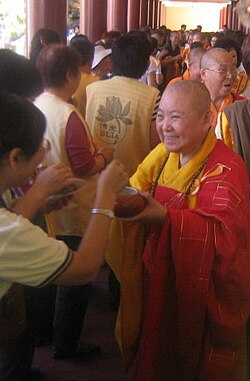
Despite these foundations, institutional challenges persist. During the era of Hinayana Buddhism, the order split into approximately 20 schools, some of which introduced beliefs that women could not achieve Buddhahood (enlightenment) unless they were first reborn as men. Furthermore, the Eight Garudhammas established a hierarchy where nuns remain subordinate to monks regardless of seniority.
Conversely, modern figures like Khandro Rinpoche, a Tibetan Buddhist female lama, emphasize that the female sangha is not a modern invention but a centuries-old tradition being re-energized. This is supported by 2017 Pew Research Center data, which indicates that women make up 54% of the global Buddhist population.
Hinduism: The Power of the Divine Feminine
Hinduism features a profound presence of the divine feminine. In traditions such as Shaktism and Saivism, goddesses are central and highly venerated. Kali Ma (the Dark Mother) embodies creation, preservation, and destruction, commanding both love and fear due to her control over life and death.
The concept of Shakti (or Adishakti/Adiparashakti) represents the universal energy of the universe. This divine force manifests in various forms: Durga the warrior, Lakshmi the goddess of prosperity, Saraswati the goddess of knowledge, and Bhuvaneshwari the goddess of the universe.
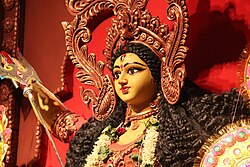
Historically, Hindu women have occupied significant public roles as Vedic ritual conductors, philosophers like Maitreyi, and saints like Andal. India's history also records powerful female rulers, including Rudramadevi and Rani Ahilyabai Holkar. While Devdutt Pattnaik notes that patriarchy was a societal invention that eventually subordinated women, matriarchal theology remains prevalent in village Hinduism and specific Sanskritic traditions.
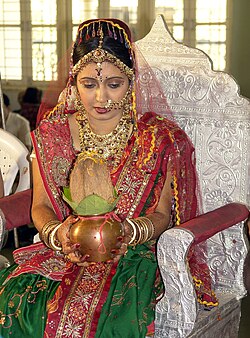
According to the 2017 Pew Research Center study, women comprise 49% of the worldwide Hindu population.
Jainism: The Fourfold Sangha and Sectarian Divides
Founded around the sixth century BCE, Jainism is a nontheistic religion organized around a "fourfold" sangha consisting of monks, nuns, laymen, and laywomen. While inclusive in structure, the religious status of women is a primary point of contention between the two main sects: the Svetambar and the Digambar.
Digambar Jains believe women cannot attain enlightenment because they cannot renounce all material possessions—including clothing—due to social norms. In contrast, Svetambar Jains believe women can become renouncers and reach enlightenment. However, some Svetambar texts suggest that being born as a woman is a result of deception in a previous life.
In practice, the Jain social structure remains patriarchal. Nuns are often subordinate to monks, requiring more years of practice to reach higher positions. Additionally, some temples still prohibit women from touching or bathing the statues of Gods. Despite this, laywomen are vital to the religion's survival, particularly in maintaining strict dietary laws through meal preparation.
Sikhism: Interdependence and Equality
Sikhism views men and women as two sides of the same coin, emphasizing a system of mutual interdependence. The founder, Guru Nanak, explicitly rejected the notion that women were cursed, stating in 1499 that women are the ones who "keep the race going" and give birth to leaders and rulers.
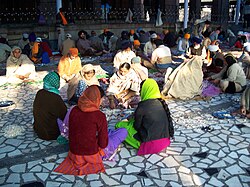
The faith was established 500 years ago as a message of universal love and justice, regardless of gender, race, or nation. However, this theology emerged in a society where women faced extreme hardships, including child marriage, female infanticide, the practice of sati (widows burning themselves on funeral pyres), and the use of purdah (veils). While the Sikh faith mandates equality, the transition from these oppressive societal norms to full gender equality has been a long-term challenge.
Key Facts
- Buddhism: Women make up 54% of the global population; the Bhikkhuni Sangha represents the female monastic tradition.
- Hinduism: Veneration of the Divine Feminine (Shakti) is central; women comprise 49% of the global population.
- Jainism: Divided on female enlightenment; Digambars generally deny it, while Svetambars affirm it.
- Sikhism: Founded on the principle of absolute gender equality and the interdependence of men and women.
| Religion | View on Enlightenment/Divinity | Key Female Figures/Groups | Primary Challenge |
|---|---|---|---|
| Buddhism | Theoretically equal; some schools deny Buddhahood to women | Bhikkhuni Sangha | Patriarchal institutional hierarchies |
| Hinduism | High veneration of the Divine Feminine | Shakti, Durga, Kali, Lakshmi | Societal shift toward patriarchy |
| Jainism | Sectarian split (Svetambar vs. Digambar) | Nuns and Laywomen | Restrictions on certain rituals |
| Sikhism | Absolute spiritual equality | Guru Nanak's teachings | Overcoming historical social customs |
Frequently Asked Questions
Can women reach enlightenment in Buddhism?
Theoretically, yes. Core beliefs in Theravāda Buddhism state that all people have equal spiritual worth. However, some historical schools (Hinayana) argued that women must be reborn as men to achieve Buddhahood.
Who is Shakti in Hinduism?
Shakti is the divine feminine energy of the universe. She is the "mother goddess" and manifests in various forms, including the warrior Durga and the goddess of time and death, Kali.
What is the difference between Svetambar and Digambar views on women?
Svetambar Jains believe women are capable of enlightenment and becoming renouncers. Digambar Jains believe women cannot attain enlightenment because they cannot fully renounce material possessions like clothing.
How does Sikhism view the relationship between men and women?
Sikhism views them as interdependent and equal, describing them as two sides of the same coin. Guru Nanak taught that women should not be considered cursed, as they give birth to the world's leaders.
What are the Eight Garudhammas?
The Eight Garudhammas are a set of rules in Buddhist tradition that make nuns subordinate to monks, regardless of the nun's seniority in the order.