In-Situ Conservation: Protecting Biodiversity in Natural Habitats
In-situ conservation is the practice of conserving genetic resources and species within their natural populations and original habitats. By protecting plants and animals where they naturally occur—such as maintaining forest genetic resources within a native woodland—this approach ensures the sustainability of entire ecosystems and the inhabitants that rely on them.
This method stands in contrast to ex situ conservation, where threatened species are removed from their natural environment and placed in controlled locations. Examples of ex situ conservation include seed libraries and gene banks, where human intervention is used to prevent extinction.
Key Facts
- In-situ conservation allows species to continue evolving and adapting to their natural environment.
- Biodiversity hotspots cover only 1.4% of Earth's land but house more than half of all planet species.
- Biosphere reserves are designed to balance biodiversity conservation with sustainable human development.
- Nature reserves can be classified as strict natural areas, managed natural areas, or wilderness areas.
- In-situ methods in agriculture help maintain native crop varieties by combining scientific research with farmer expertise.
Methods of In-Situ Conservation
Nature Reserves and Biosphere Reserves
Nature reserves, often referred to as biosphere reserves, are expansive areas typically exceeding 5,000 km (1,900 sq mi). These reserves are categorized into three distinct types based on their purpose:
- Strict Natural Areas: Established to protect the overall state of nature in a region rather than specific species.
- Managed Natural Areas: Created to protect specific species or communities at risk, providing an optimal, controlled habitat for them to thrive.
- Wilderness Areas: These serve a dual purpose of protecting the natural region while offering non-motorized recreational opportunities for visitors.
National Parks and Wildlife Sanctuaries
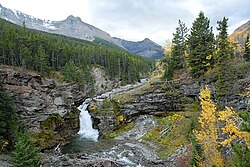
National parks are dedicated areas used to conserve wildlife, scenery, and historical objects. They are generally smaller than biosphere reserves, typically covering 100 to 500 km (40 to 200 sq mi), and may exist within the boundaries of a larger biosphere reserve.
Wildlife sanctuaries focus on providing a higher quality of life for animals, often those transitioned from zoos, circuses, or laboratories. These sanctuaries offer specialized habitats that encourage species-specific behaviors and provide animals with greater autonomy.
Biodiversity Hotspots
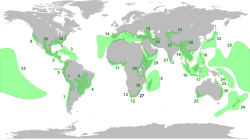
International organizations prioritize conservation in biodiversity hotspots. According to Conservation International, a region must meet two strict criteria to be designated as a hotspot:
- It must contain at least 1,500 species of vascular plants as endemics (representing > 0.5% of the world's total).
- It must have lost at least 70% of its original habitat.
Gene Sanctuaries
A gene sanctuary is a specialized area for plant conservation, encompassing both national parks and biosphere reserves. The biosphere reserve concept, developed in the 1970s, utilizes a system of core, buffer, and transition zones to harmonize conservation with sustainable development. As of 2004, approximately 459 such areas had been established across 97 countries.
Benefits and Implementation
Ecological Advantages
The primary benefit of in-situ conservation is that it allows recovering populations to remain in the environment where they developed their unique properties. This ensures that the ongoing processes of evolution and adaptation continue. Additionally, species remain adjusted to natural disasters such as floods, forest fires, and droughts. This method is generally more cost-effective and convenient than ex situ alternatives, which are used only as a last resort.
Maintaining Genetic Diversity
To ensure the survival of wildlife and livestock, reserves must be large enough to support populations that maintain sufficient genetic diversity. This diversity is critical for the species' ability to adapt over time. Reserve size is typically determined by analyzing the population density of the target species in natural settings and protecting the area from human intrusion or catastrophe.
Agricultural Applications
In agriculture, in-situ techniques maintain traditional and native crop varieties. This process involves testing accessions (samples) from germplasm banks alongside those grown by farmers in both laboratories and fields. By crossing and multiplying the best-tested accessions, scientists can provide farmers with improved versions of their own native varieties. This is particularly successful in marginal areas where commercial crops fail due to soil fertility or climate constraints.
Regional Case Studies
Conservation in India
India utilizes approximately 4% of its geographical area for in-situ conservation. The country's network includes:
- 18 Biosphere Reserves: Including Nanda Devi, Nokrek, Manas National Park, and Sundarban.
- 106 National Parks: Such as Kaziranga (one-horned rhino), Periyar (tiger and elephant), and Ranthambore (tiger).
- 551 Wildlife Sanctuaries.
- Biodiversity Hotspots: The Himalayas, Western Ghats, Indo-Burma region, and Sundaland.
India also utilizes sacred groves—forest tracts where wildlife and trees are venerated and protected—and community reserves established under the Wildlife Protection Amendment Act 2002.
Conservation in China
China has established up to 2,538 nature reserves, covering 15% of its land. About 56% of these reserves are concentrated in the western provinces of Tibet, Qinghai, and Xinjiang. In contrast, eastern and southern China, where 90% of the population resides, face significant competition between nature reserves and infrastructure development. This fragmentation of landscapes has contributed to the South China tiger being pushed out of its natural habitat.
| Method | Primary Focus | Key Characteristic |
|---|---|---|
| Nature Reserve | Large-scale ecosystem protection | Can be strict, managed, or wilderness areas |
| National Park | Wildlife and scenery | Smaller scale (100-500 km) |
| Wildlife Sanctuary | Animal welfare and autonomy | Often for animals from captivity |
| Biodiversity Hotspot | High endemism / High threat | Must have lost >70% of original habitat |
| Gene Sanctuary | Plant genetic resources | Uses core, buffer, and transition zones |
Frequently Asked Questions
What is the main difference between in-situ and ex-situ conservation?
In-situ conservation happens on-site within the species' natural habitat, whereas ex-situ conservation involves moving threatened species to a different location, such as a gene bank or seed library, for protection.
What qualifies a region as a biodiversity hotspot?
To be a biodiversity hotspot, a region must contain at least 1,500 endemic vascular plant species and have lost 70% or more of its original natural habitat.
How do biosphere reserves balance nature and human needs?
Biosphere reserves use a zoning system consisting of a core area for strict protection, a buffer zone, and a transition zone to harmonize biodiversity conservation with sustainable development.
Why is in-situ conservation preferred for evolution?
Because species remain in their natural environment, they continue to undergo the natural processes of evolution and adaptation, allowing them to stay resilient against local natural disasters.
How does in-situ conservation help farmers?
It allows farmers to maintain and improve native crop varieties through a combination of scientific research and field experience, preventing the loss of traditional crops to commercial varieties.